Why warehouse business rates Matter
Andy Burnham plans to raise warehouse business rates for online firms like Amazon to fund tax cuts for high-street pubs.
Warehouse business rates are now a central focus of fiscal policy. Political leadership is preparing for a transition in government, and the proposed shift aims to adjust the tax burden by increasing levies on large distribution centers to fund relief for struggling high street enterprises. But this strategic reallocation pits logistics against physical retail in a bid to revitalize local economies. It's a clear signal for corporate planners and logistics operators. The cost of holding large physical footprints will likely rise to subsidize smaller commercial entities.
The Strategic Shift in Commercial Taxation
The proposed tax adjustments target a deliberate balance. They're funding cuts for pubs, clubs, music venues, and some high-street businesses by increasing business rates on warehouses. So this strategy tackles the long-standing tension between online retail giants and their brick-and-mortar competitors. It's a clever shift. But policymakers are generating revenue from large-scale storage facilities without raising broader national taxes.
This approach maintains a commitment to existing pledges regarding major national tax categories. It doesn't waver. The leadership has affirmed that it will stick to previous promises not to raise value-added tax, income tax, or national insurance. So targeted adjustments to commercial property levies have emerged as the primary mechanism for funding local economic support, relying on the concept that large online operators can absorb higher operational costs better than independent high-street retailers.
"I stick by the manifesto and the promises that it made. So, let me be absolutely clear about that, but there is some room within that manifesto for movement on tax."— Andy Burnham
Positioning Against the Logistics Sector
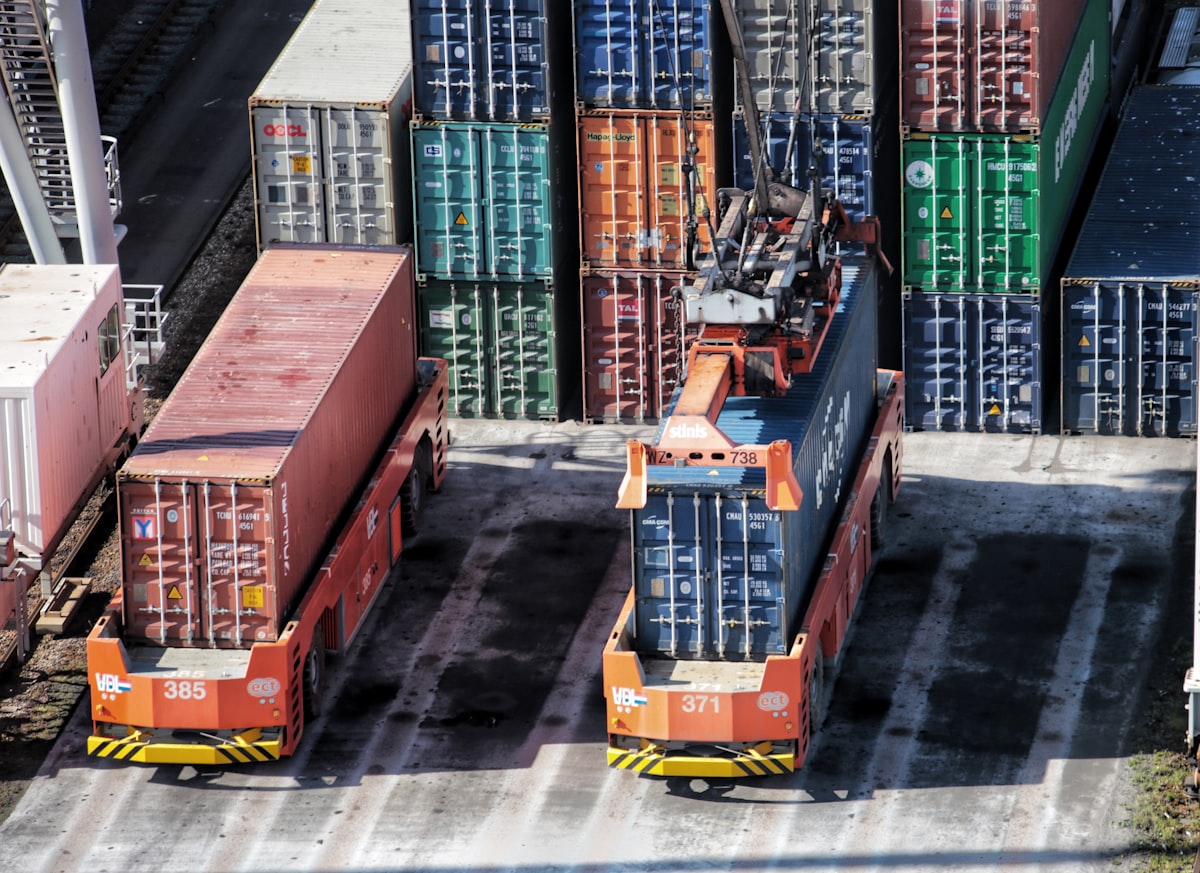
The policy specifically targets the infrastructure of modern e-commerce. And it's a direct blow. Logistics facilities and distribution centers have grown rapidly, driven by the rise of online shopping, so under the new proposals these large structures will face higher financial demands to ease the pressure on traditional hospitality and retail sectors.
Targeted relief measures for local businesses
- A 20% business rates cut for pubs, clubs, and music venues.
- An increased tax payment threshold for smaller, independent hospitality, leisure, and retail companies.
- Higher levies on giant warehouses operated by online firms such as Amazon.
- Tax penalties targeting the owners of empty high street properties.
This distribution of tax liabilities marks a clear shift in how the state views commercial property. It's a major change. Instead of treating all commercial real estate under a unified framework, the policy introduces a tiered approach that penalizes large-scale storage while rewarding local consumer-facing businesses. But the threshold for smaller firms has remained unchanged since 2017. This makes the adjustment a long-overdue change for small business advocates.
Reading the Competitive Stance
This fiscal strategy could alter cost structures for major online retailers. It's a serious threat. Logistics networks have been built on the assumption of low-cost, high-efficiency storage locations, and that foundation is now under threat, so operators will have to choose between absorbing the additional costs or passing them along to consumers if warehouse business rates rise significantly. But here's the real consequence. It can impact the pricing advantages online platforms have held over local physical stores.
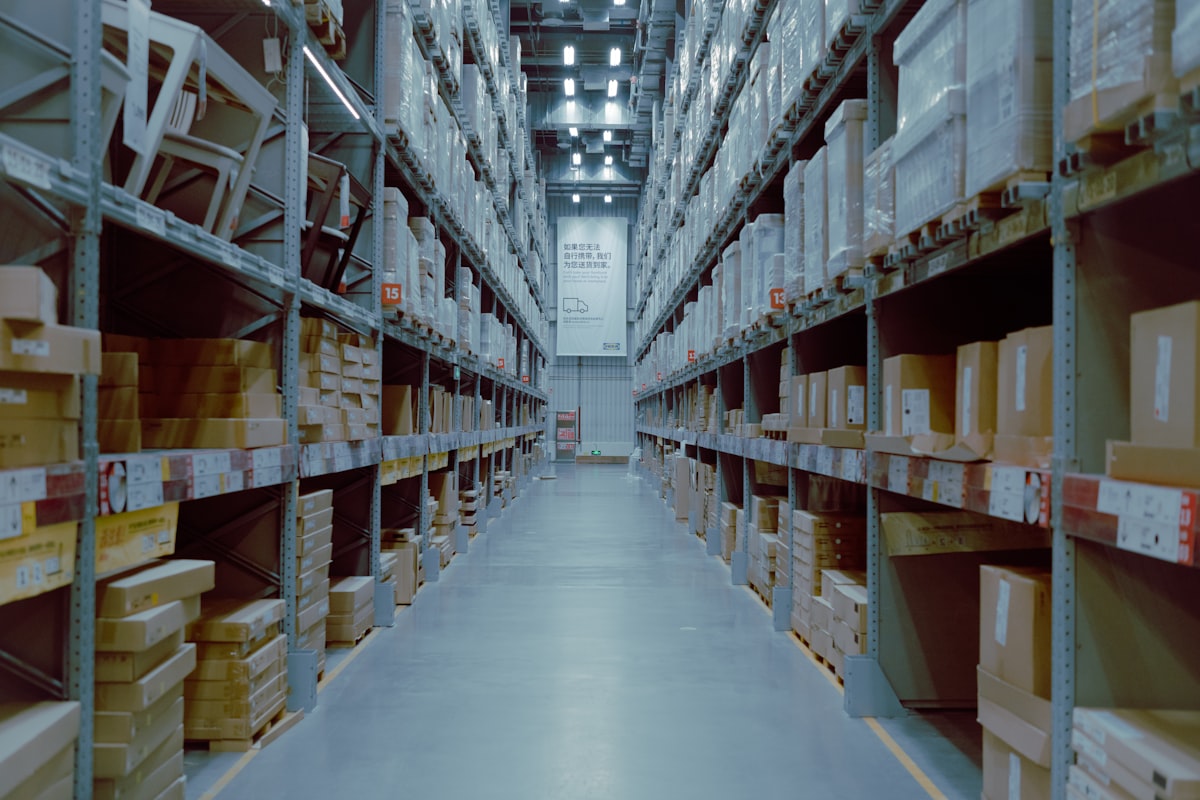
The policy aims to support local high streets. But it's also creating new complexities for the wider supply chain, especially for medium-sized logistics firms that don't operate on the scale of global e-commerce giants and may find themselves caught in the same tax net. So the challenge for policymakers will be defining the threshold of a giant warehouse without penalizing the broader industrial and distribution sector that supports general economic activity.
Funding broader national commitments
The debate over commercial property taxes is complicated by wider fiscal pressures. It's not a simple issue. The incoming administration faces a planned £15bn increase in defence spending announced by Sir Keir, and with a funding gap of at least £4.7bn that needs to be found from departmental savings, every tax lever becomes highly contested. Critics have argued that this gap should be addressed through welfare changes rather than new taxes. But that highlights deep political divisions over national priority funding.
"What I can say to you tonight is I will take my responsibilities fully to fund the defence investment plan, if I am in the position to do so, I will take those responsibilities extremely seriously."— Andy Burnham
What Comes Next
The wider sector now waits. But the immediate focus turns to the upcoming autumn Budget, where the incoming administration must formalize these proposals into concrete legislative plans. Logistics operators and online retailers are watching closely. They'll see how definitions for taxable warehouse space are structured. The outcome of these policy decisions will determine the future operational costs of supply chains across the country.
Tax policy isn't the only thing changing. The incoming leadership also plans organizational shifts to support regional development, including Burnham's hope for a new administrative office near Manchester Piccadilly Station alongside a proposed government digital campus. So these developments show that while physical logistics centers face higher tax burdens, the government's still focused on expanding its own digital and regional footprint. How these fiscal and administrative plans align will become clear in the coming months.
Frequently Asked Questions
What are warehouse business rates and why are they a central focus of fiscal policy?
Warehouse business rates are levies on large distribution centers. They are a central focus because the proposed policy aims to increase these rates to fund tax relief for struggling high street businesses, adjusting the tax burden between logistics and physical retail.
How does the proposed tax shift affect online retailers and logistics operators?
The policy targets large warehouses used by online firms like Amazon, imposing higher levies. This could alter cost structures, forcing operators to absorb costs or pass them to consumers, potentially impacting the pricing advantages of online platforms over local stores.
Who is Andy Burnham and what is his stance on the tax promises?
Andy Burnham is a political leader mentioned in the article. He stated that he sticks by the manifesto and its promises but sees room for movement on tax, suggesting a targeted adjustment to commercial property levies rather than raising VAT, income tax, or national insurance.
What specific relief measures are proposed for local businesses?
The article lists a 20% business rates cut for pubs, clubs, and music venues, an increased tax payment threshold for smaller independent hospitality, leisure, and retail companies, and tax penalties for owners of empty high street properties.
When will the new tax proposals be formalized into concrete legislative plans?
The article states that the immediate focus turns to the upcoming autumn Budget, where the incoming administration must formalize these proposals. Logistics operators and online retailers are watching closely to see how taxable warehouse space is defined.

Henrik Sorensen writes about government, regulation and the public interest. He is interested in where policy meets innovation, and how the two can be made to work together.
💬 Comments (0)
No comments yet. Be the first!