A New Vote on unapproved peptides
An FDA advisory panel has voted to lift manufacturing limits on unapproved peptides, despite a lack of safety data.

Unapproved peptides are at the center of a major regulatory shift. It's a divided verdict. The Food and Drug Administration panel met on Thursday and saw a sharply divided group endorse the removal of restrictions on four specific peptides, but a vote on three additional peptides is scheduled for today. This decision comes despite a continuing lack of evidence regarding their safety and effectiveness for human use.
But what does this mean for your rights and access? For a long time, the lack of safety and efficacy data has kept most of these compounds off the market, and the Biden administration previously blocked their manufacture by compounding pharmacies that make specialty drugs. So this new vote represents a major step toward reversing that ban and opening the door for compounding pharmacies to resume making them. We've seen a real shift.
How the Panel Reached This Decision
The move to ease restrictions on unapproved peptides was telegraphed months earlier. Health and Human Services Secretary Robert F. Kennedy Jr. took steps to ensure this outcome. Kennedy, a peptide enthusiast who uses these compounds himself, announced his interest in reversing the manufacturing ban earlier this year. To achieve this, he added new members to the advisory group in June.
Here's the deal. But with just one exception, the newly appointed committee members had obvious interests in manufacturing and selling these substances, and they provided the decisive votes for overturning the ban. All the members who sat on the panel before Kennedy joined voted against lifting the restrictions. It's a clear split. The division separates new appointees from the established members.
The Voting Results
- Four peptides received recommendations to have their manufacturing limits lifted during Thursday's meeting.
- Three additional peptides are scheduled for a vote today.
- All pre-existing panel members voted against lifting the ban.
- Newly appointed members provided the decisive votes to recommend lifting the restrictions.
The Science and the Safety Gap
Unapproved peptides are chemically linked chains of amino acids. Wait, no , they're very similar to proteins but differ merely by length. So peptides are often 10 to 20 amino acids long, while proteins can be hundreds or thousands of amino acids in length, and some, like insulin, are made by targeted processing of a protein into shorter fragments to send signals to cells. Biology is messy. Many others are just the result of that messy complexity where larger proteins break down.
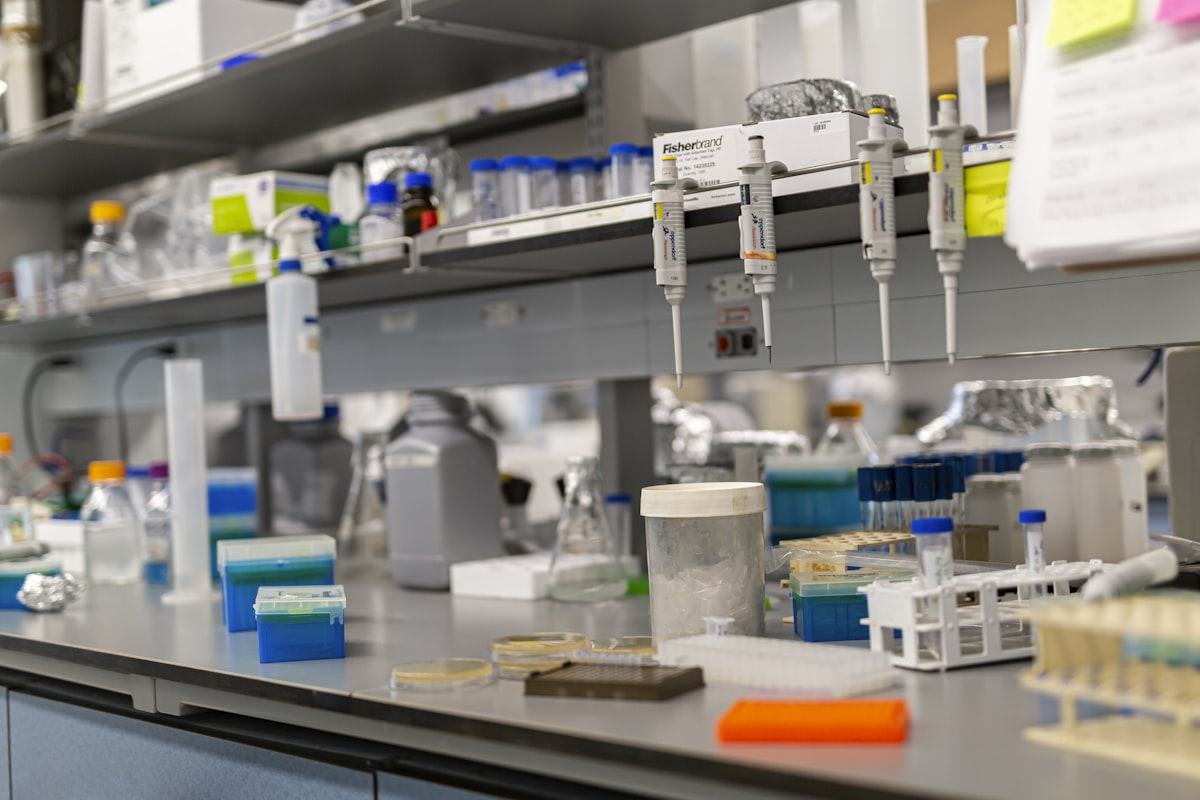
Decades of research can't always explain how a peptide is made or what downstream effects it triggers. Scientists often have some evidence of what happens when they expose cultured cells to a peptide, but they lack any indication of what might happen if an intact animal is exposed. That's a big problem. This evidentiary gap is where promising-looking drug candidates turn into failed ones, and it's a hurdle that's tough to overcome.
As Ars' Beth Mole wrote at the time, 'Outside experts and watchdogs suspect that before the first meeting in July, Kennedy will work to stack the advisory board with questionably qualified allies who will come with a predetermined decision to ease access to the drugs,no rigorous scientific evaluation needed.
What Happens Next at the FDA
But there's a catch. The committee's role is strictly advisory, meaning the final decision rests with the agency itself, so the FDA could reject these recommendations and keep the manufacturing restrictions in place. Doing so would place the agency's experts in direct conflict with the wishes of Kennedy, who has the power to fire them.
Let me put it bluntly. Kennedy previously claimed that independent experts would rigorously evaluate each substance on its scientific merits using full clinical, pharmacological, and safety evidence. Yet, no such evidence was presented at the meeting. This raises serious questions about the safety of allowing compounding pharmacies to manufacture these substances for human use without standard testing.
No Human Testing Data Presented
The meeting's central point? A glaring lack of clinical data. One committee member asked if the agency had ever approved anything that had never been tested in humans before, and an official confirmed the reality of the situation. That's a sobering thought.
An FDA official said it had not.
Does it matter? Yes. Here's why. If the recommendations are accepted, it will mark a departure from how the agency historically handles drug approvals, skipping the usual requirement for rigorous safety and efficacy data before a substance can be manufactured and distributed. Reversing the ban on these unapproved peptides bypasses the traditional clinical trial process entirely. So it sets a new precedent for how specialty drugs are regulated and sold to the public.
Frequently Asked Questions
What are unapproved peptides according to the article?
Unapproved peptides are chemically linked chains of amino acids, very similar to proteins but shorter, often 10 to 20 amino acids long. They lack evidence of safety and effectiveness for human use, and many have unknown downstream effects.
Why did the panel vote to lift restrictions on some unapproved peptides?
The move was telegraphed months earlier, and Health and Human Services Secretary Robert F. Kennedy Jr., a peptide enthusiast, added new members to the advisory group in June. These newly appointed members, who had interests in manufacturing and selling these substances, provided the decisive votes to lift the ban.
How did the voting results split between old and new panel members?
All pre-existing panel members voted against lifting the ban, while the newly appointed members provided the decisive votes to recommend lifting restrictions on four peptides. A vote on three additional peptides was scheduled for the next day.
When was the vote on unapproved peptides held?
The FDA panel met on Thursday to vote on four peptides, with a vote on three additional peptides scheduled for today. The article does not specify the exact date or month.
Who is responsible for the final decision on whether to lift manufacturing restrictions?
The committee's role is strictly advisory, so the final decision rests with the FDA itself. The FDA could reject the recommendations and keep the restrictions in place, but doing so would place agency experts in direct conflict with Secretary Kennedy, who has the power to fire them.

Henrik Sorensen writes about government, regulation and the public interest. He is interested in where policy meets innovation, and how the two can be made to work together.
💬 Comments (0)
No comments yet. Be the first!