Trump's FWS Memo Rewrites Endangered Species Act Take Rules
A September 14 FWS memo directs staff to limit Endangered Species Act take rules to actions specifically intending to target an animal, drawing on Scalia's 1995 dissent.
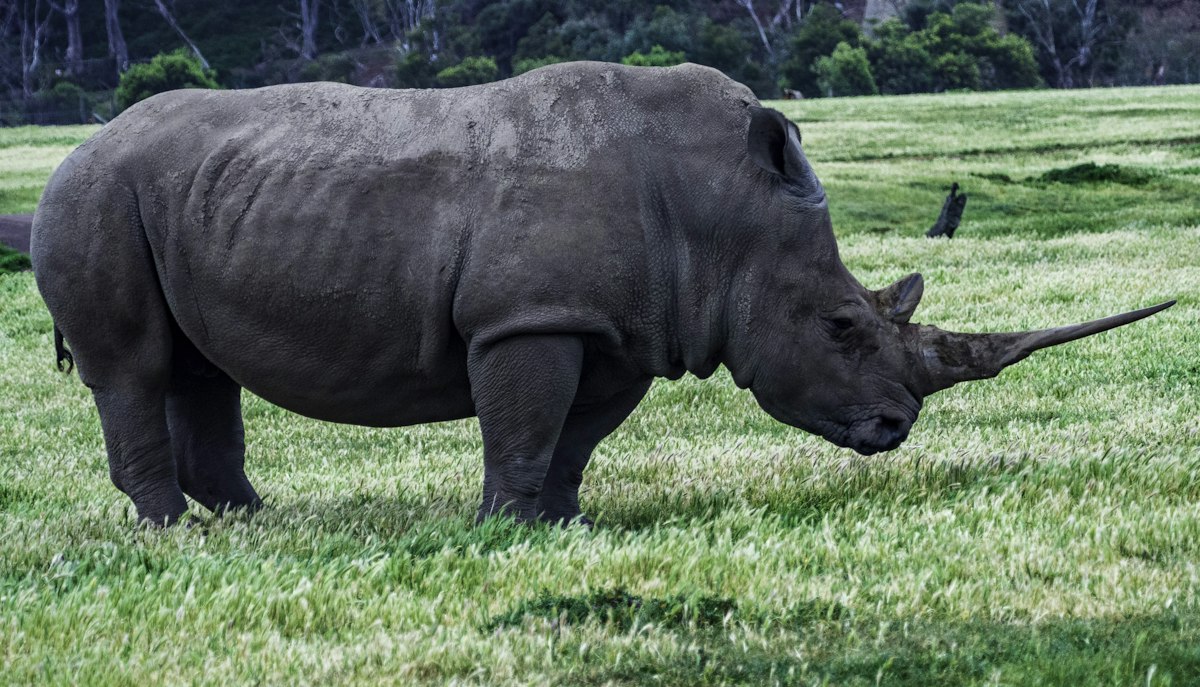
Endangered Species Act take rules are being rewritten from the top down, and the blueprint is a thirty-year-old Supreme Court dissent. An internal memo circulated quietly through U.S. Fish and Wildlife Service field offices on September 14 instructs staff to stop treating accidental harm to protected wildlife as a violation of the law. The directive came from FWS Director Brian Nesvik, and it reframes one of the most consequential words in American environmental law: "take."
A take now requires specific intent to target an animal. That's the new reading. Nesvik's memo offers two illustrations, and the first involves a vessel that inadvertently strikes a whale, which he wrote has not taken it because the vessel's course was not set against the whale in the first place. Felling a tree isn't a take of the bats roosting in it. But that's only true unless the tree is felled for the purpose of killing or capturing them. The agency didn't clarify whether the change had already taken effect.
What the Memo Actually Changes
Incidental takings are the most common way endangered animals die. These are the accidental deaths that happen when habitat is bulldozed, ponds are drained, or ships cross migration routes, and that fact sits at the center of the alarm. Under the prior framework, businesses had to conduct environmental reviews to identify critical habitat, then either take steps to preserve it or obtain permits that offset accidental killing through donations to conservation funds elsewhere. But the memo removes that obligation. It applies to any death a landowner didn't mean to cause.
The shift did not arrive alone. Earlier this year, the administration stripped habitat destruction from the ESA's definition of harm, framing it as a way to spare landowners extra costs when animals were not in danger. Conservationists now say they were falsely reassured. Ben Levitan, a senior attorney at Earthjustice, called the follow-up "an incredibly sneaky and disingenuous way of going about things." The first change, in other words, was sold as a narrow fix. The second one goes much further.
The Ghost of a 1995 Dissent
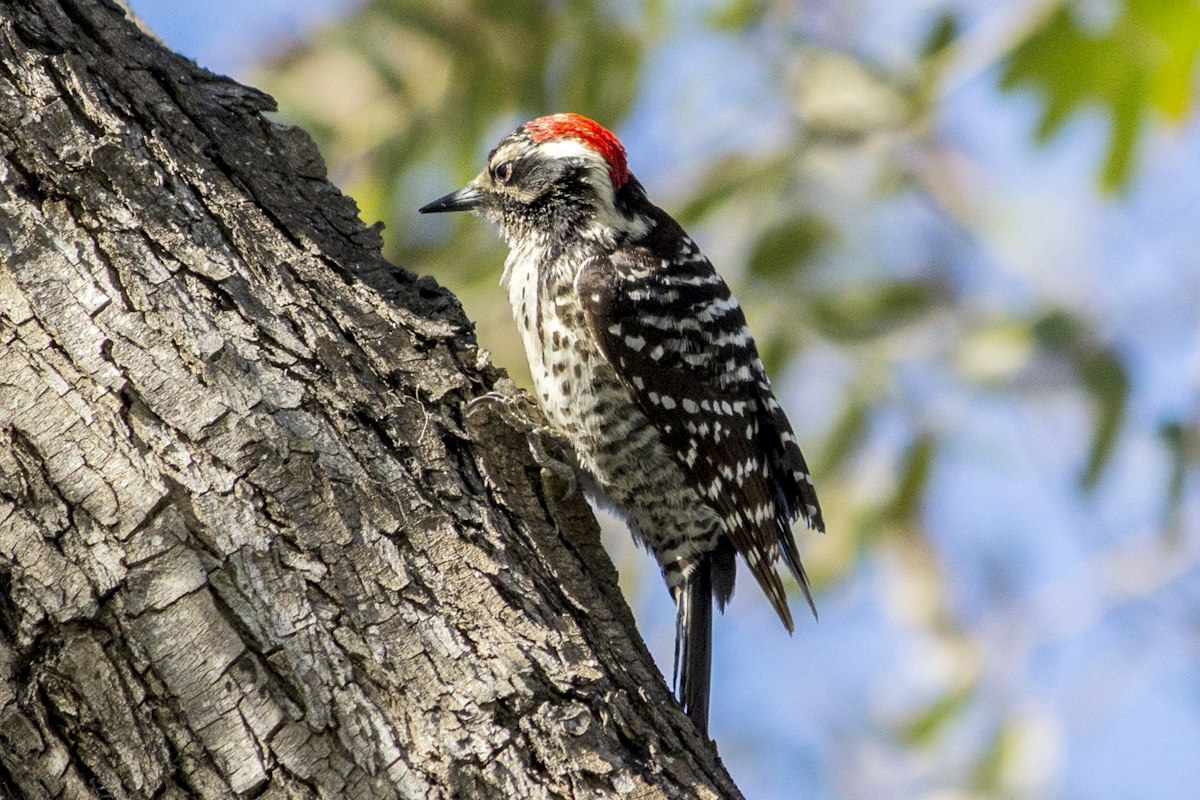
The memo's legal roots go back to 1995. Small landowners and logging companies sued to stop the Interior secretary from reading the ESA as a ban on habitat changes that actually kill or injure wildlife. They claimed they'd be financially harmed if forced to avoid modifying habitat for the red-cockaded woodpecker and the northern spotted owl. But the majority rejected that logic, and it did so based on a textual reading of the statute rather than an interpretation of the secretary's authority, according to Patrick Parenteau, an emeritus professor at Vermont Law and Graduate School, who explained that this distinction mattered because it's not about what the secretary can do but what the words of the law itself plainly say. They're wrong.
Justice Antonin Scalia dissented. Clarence Thomas and William Rehnquist joined him. He argued the ESA was written narrowly to prohibit intentional hunting and killing, not to protect species at the population level, and he pressed that reading against the majority's broader view. He called the majority's approach "simplistic." And he warned of "unfairness to the point of financial ruin," not just for the rich but for "the simplest farmer who finds his land conscripted to national zoological use.
"Only action directed at living animals constitutes a 'take,'" Scalia wrote.
He mocked Sandra Day O'Connor. In a footnote, no less. O'Connor had written in her concurrence that razing the last remaining breeding ground of the piping plover would obviously injure the population and the individual birds, comparing it to sterilization. Scalia called her reading "imaginative." And he asked whether, by that logic, the law should cover "the psychic harm of not being able to frolic about," assuming the animal in question, "perhaps an endangered species of slug, is capable of such painful sentiments." It's a sharp jab.
Chevron Falls, Scalia's Blueprint Rises
The administration's bet rests on the death of the Chevron doctrine. That doctrine gave agencies latitude. It let them interpret ambiguous statutes when Congress's intent wasn't clear. Trump's team argues that 1995 ruling is now invalidated, and the dissent, which they've embraced, has become the working model for enforcement across the agencies. But the 1995 majority didn't lean on Chevron. It found that Congress clearly intended habitat modification to count as harm, and it noted that the statute requires permits for presumably otherwise illegal incidental takings, a structure that only makes sense if accidental deaths are covered.
Justice John Paul Stevens, writing for the majority, put the stakes plainly. Under the dissent's interpretation, he wrote, a developer could drain a pond knowing the act would extinguish an endangered species of turtles, without proposing a conservation plan or applying for a permit, unless the developer was "motivated by a desire 'to get at a turtle.'" Lawmakers, he added, used "the broadest possible terms" to define take restrictions, specifically to include harassment whether intentional or not.
The Legal Fight Already Underway
Twenty-one attorneys general have already sued. The Interior Department says the law still stands. A spokesperson told reporters that the ESA continues to prohibit take of endangered wildlife, including actions that harass, pursue, hunt, shoot, wound, kill, trap, capture or collect listed wildlife, or attempts to do so. But an FWS spokesperson defended the rewrite. They're calling the lawsuits an effort to preserve a decades-old regulatory overreach, and they've vowed to defend the department's authority to implement the law according to its plain text.
Legal scholars aren't convinced. They doubt that argument survives contact with a courtroom. Andrew Mergen, a Harvard law professor who once supervised ESA legislation for the Department of Justice, called the directive "an assault on the act like we've never seen before." What the administration is proposing, he said, is to take all the force out of what everyone has understood the act to mean: don't kill endangered species. Parenteau was blunter about the odds of FWS defending the policy. So to claim the law is settled in favor of Scalia's dissent, he said, "Absolutely not.
- The memo applies an intent standard to Endangered Species Act take rules, exempting accidental deaths from enforcement.
- It builds on an earlier change that removed habitat destruction from the definition of harm.
- Environmental groups and 21 state attorneys general have filed suit.
- Federal officials say the law's plain text still prohibits killing, trapping, and harassing listed wildlife.
For now, the practical effect depends on which version of the statute courts accept. If the dissent's lens holds, a landowner who knows an action will wipe out a protected population but does not aim at any particular animal faces no liability. If the 1995 majority's reading survives, that same landowner still needs a permit. The answer will not come from a field office memo. It will come from judges.
Frequently Asked Questions
What change did the September 14 FWS memo make to Endangered Species Act take rules?
The memo instructs staff to stop treating accidental harm to protected wildlife as a violation of the law. It reframes "take" so that it now requires specific intent to target an animal, meaning incidental deaths are exempt from enforcement.
Who issued the memo, and how did it illustrate the new intent standard?
FWS Director Brian Nesvik issued the directive, which circulated through U.S. Fish and Wildlife Service field offices on September 14. The memo offered two illustrations: a vessel that inadvertently strikes a whale has not taken it because the course was not set against the whale, and felling a tree isn't a take of the bats roosting in it unless the tree is felled for the purpose of killing or capturing them.
Why did the memo build on an earlier change that removed habitat destruction from the ESA's definition of harm?
Earlier this year, the administration stripped habitat destruction from the ESA's definition of harm, framing it as a way to spare landowners extra costs when animals were not in danger. Conservationists say they were falsely reassured, and Ben Levitan of Earthjustice called the follow-up "an incredibly sneaky and disingenuous way of going about things," noting the first change was sold as a narrow fix while the second goes much further.
When did the legal roots of the memo's intent standard originate, and which justice's dissent inspired it?
The memo's legal roots go back to 1995, when small landowners and logging companies sued to stop the Interior secretary from reading the ESA as a ban on habitat changes that kill or injure wildlife. Justice Antonin Scalia dissented in that case, joined by Clarence Thomas and William Rehnquist, arguing the ESA was written narrowly to prohibit intentional hunting and killing and that "only action directed at living animals constitutes a 'take.'"
How has the legal fight over the memo unfolded, and what do officials and scholars say about its chances?
Twenty-one attorneys general have already sued, and the Interior Department says the law still stands, with a spokesperson stating the ESA continues to prohibit take of endangered wildlife, including actions that harass, pursue, hunt, shoot, wound, kill, trap, capture or collect listed wildlife, or attempts to do so. An FWS spokesperson defended the rewrite and called the lawsuits an effort to preserve a decades-old regulatory overreach, but legal scholars doubt that argument survives contact with a courtroom; Andrew Mergen called the directive "an assault on the act like we've never seen before," and Patrick Parenteau said claiming the law is settled in favor of Scalia's dissent is "Absolutely not."

Valerie Dubois covers public policy and regulation, with a focus on how decisions made by governments affect technology and society. She follows the debates that shape the rules we all live by.
💬 Comments (0)
No comments yet. Be the first!