Jaguar Type 01 Set for 2027 Launch at $160,000
Jaguar Type 01 production model debuts with a $160,000 price tag, 1,016 hp, and deliveries starting in late 2027.
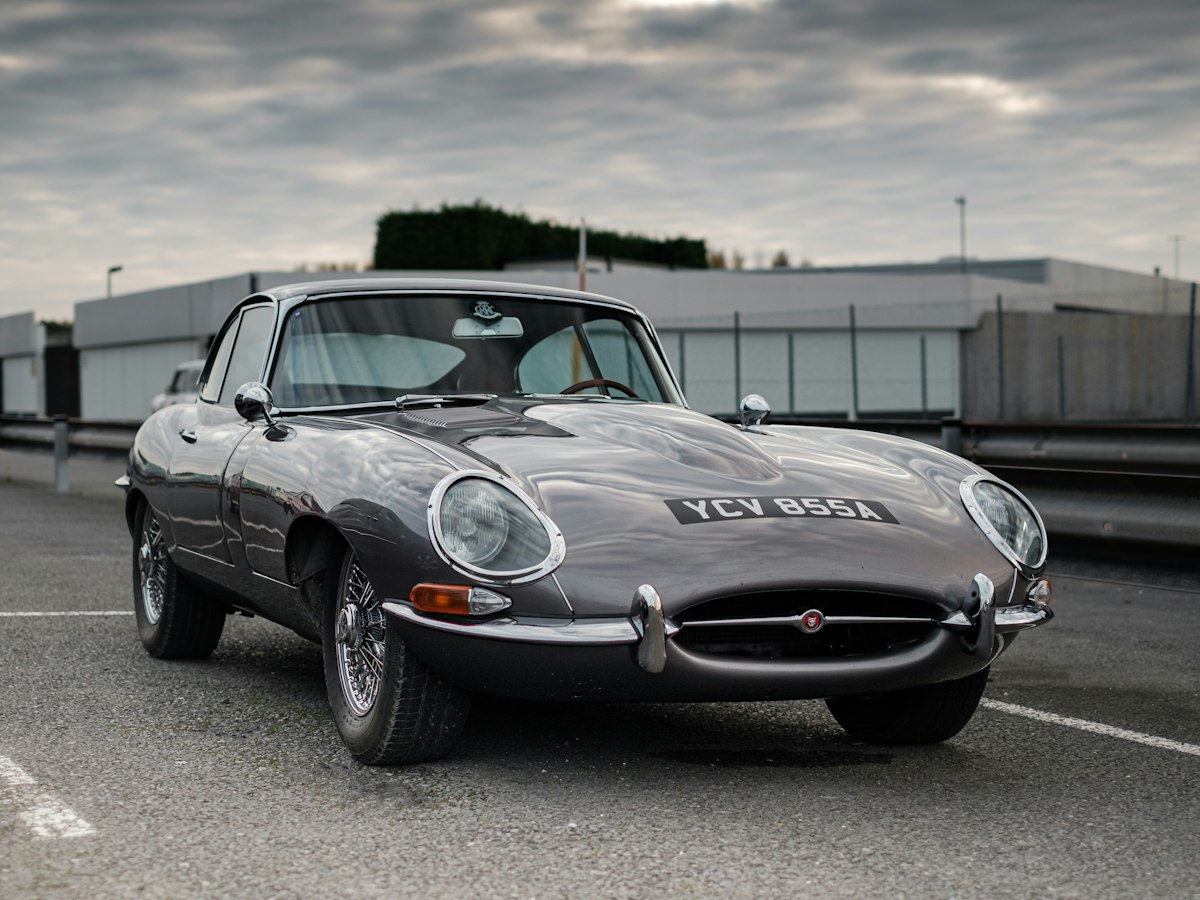
Jaguar Type 01 arrives in 2027. It's priced near $160,000 in the United States. That's a delay of more than a year for a vehicle people have waited on, and the reasons behind it are a cooling electric vehicle market combined with a major cyberattack at JLR that stalled the whole program. Two years ago Miami saw a dramatic conceptual preview. They called it Type 00. And now the production version has finally been unveiled to the public at an event in New York.
The initial conceptual debut triggered intense public debate. It signaled a radical departure. Nearly ninety years of brand heritage, gone in a single stroke. With the physical production car now revealed, the conversation shifts from abstract design concepts to tangible automotive reality. But potential buyers will have to wait to secure their place in line, because order books are scheduled to remain closed until early 2027. Deliveries are projected to begin during the second half of that year, provided the manufacturing timeline experiences no further disruptions. They're not open yet. We've got a long wait. And that's that.
Pricing structure and global market positioning
The financial positioning of the vehicle places it squarely in the ultra-luxury segment. The base pricing is structured as follows:
- United States market: Approximately $160,000
- United Kingdom market: Around £120,000
- Exclusions: Both figures strictly exclude local taxes and import tariffs
This pricing strategy reflects a deliberate move upmarket. It distances the brand from volume-oriented premium segments. By targeting the six-figure price bracket, the vehicle enters a highly exclusive competitive space, one that demands far more than a new badge or a bigger screen to convince buyers they're getting something genuinely worth the money. But that space is brutal. The success of this transition relies heavily on convincing traditional buyers that the radical new design direction justifies the premium cost. And they don't always agree.
The design sequence reversed
An unusual development cycle defines this vehicle. While observers assumed the extreme styling of the Miami concept was a wild design study, the production-ready Jaguar Type 01 was actually designed first. The concept was derived from this finished road car, meaning the striking proportions were locked in before the initial public reaction occurred.
Visually, the vehicle is defined by its massive footprint and low profile. It measures 204 inches in length while standing just 57.5 inches tall. Massive 23-inch wheels occupy more than half of the vertical height of the vehicle, though buyers can select 21-inch wheels as a cost-saving alternative. A prominent design feature is the luxury gap between the front axle and the A-pillar, which consumes exactly 17 percent of the total vehicle length, mirroring the proportions of the historic E-Type.
Intricate exterior bodywork details
The exterior of the vehicle features highly complex manufacturing techniques. The rear three-quarter section is referred to by the engineering team as the impossible panel, requiring aluminum to be pressed across five distinct planes with three feature lines converging at a single point. A brass-effect fender ingot runs through the front side gap, featuring a laser-engraved leaper logo.
Aerodynamics and hidden lighting elements
Clean lines rule here. They're prioritized through active aerodynamic elements and concealed lighting, and the rear lamps are integrated behind louvers, remaining invisible until illuminated.
Performance specifications and battery architecture
Under the dramatic sheet metal sits a tri-motor powertrain engineered for extreme performance. This setup delivers a combined output of 1,016 horsepower and 1,006 lb-ft of torque. It represents the most powerful road car the brand has ever produced. Acceleration from zero to sixty-two miles per hour is achieved in 3.2 seconds.
Power comes from a 118kWh battery pack. It's big. The vehicle uses an advanced 850V charging architecture, and because of that architecture it's capable of adding 200 miles of driving range in just 13 minutes of charging, which is quick. Total driving range is estimated at 400 miles under EPA testing protocols. And the weight? 6,000 pounds. That mass is distributed in a perfect 50:50 split across the front and rear axles, so the balance front to rear is even, and we've kept every number exactly as it was.
Market viability and real-world usage data
The high curb weight and extreme power figures represent a bold bet in a shifting market. However, internal data suggests the performance envelope aligns with real-world driving habits. Analysis of customer data collected from more than 900,000 vehicles operating across 51 countries indicates that the 400-mile range of the Jaguar Type 01 is more than sufficient for modern driving needs. According to these findings, the range capacity easily covers 99.7 percent of all recorded customer journeys.
The concept's debut got buried under the outrage over the company tossing aside nearly 90 years of heritage. Now there's an actual car to argue about.
This reality leaves the market to decide. Can a striking aesthetic and high-tech platform overcome the initial heritage controversy? That's the question. It's a bold gamble, and the automotive world will have to wait, because with deliveries planned for late 2027, we've got a long stretch ahead before anyone knows whether this risky bet actually pays off. So the market decides.
Frequently Asked Questions
What is the Jaguar Type 01 and when is it expected to launch?
The Jaguar Type 01 is a production electric vehicle that arrives in 2027. It was unveiled to the public at an event in New York, with order books scheduled to remain closed until early 2027 and deliveries projected to begin during the second half of that year.
Why was the launch of the Jaguar Type 01 delayed by more than a year?
The delay of more than a year was caused by a cooling electric vehicle market combined with a major cyberattack at JLR that stalled the whole program. These factors pushed back the timeline for the vehicle that people have waited on.
How is the Jaguar Type 01 priced in different markets and what does that exclude?
The base pricing is approximately $160,000 in the United States and around £120,000 in the United Kingdom. Both figures strictly exclude local taxes and import tariffs.
What are the performance specifications of the Jaguar Type 01, including power, acceleration, battery, and range?
The Jaguar Type 01 features a tri-motor powertrain delivering 1,016 horsepower and 1,006 lb-ft of torque, enabling 0-62 mph in 3.2 seconds. It has a 118kWh battery pack, an 850V charging architecture that adds 200 miles of range in 13 minutes, and an estimated total driving range of 400 miles under EPA testing protocols.
How did the design sequence of the Jaguar Type 01 differ from typical vehicle development, and what are its key design features?
The production-ready Jaguar Type 01 was actually designed first, and the Miami concept was derived from this finished road car, reversing the usual development cycle. It measures 204 inches in length and 57.5 inches tall, with massive 23-inch wheels (21-inch optional) and a 17 percent luxury gap between the front axle and the A-pillar that mirrors the proportions of the historic E-Type.

Clara Rossi covers the motoring world, with a focus on electric vehicles, design and the shift toward cleaner transport. She tests the latest models and explains what matters to drivers beyond the spec sheet.
💬 Comments (0)
No comments yet. Be the first!