Hitachi Energy transformer factory breaks ground
The Hitachi Energy transformer factory in Virginia is expanding to nearly double its workforce and meet demands.
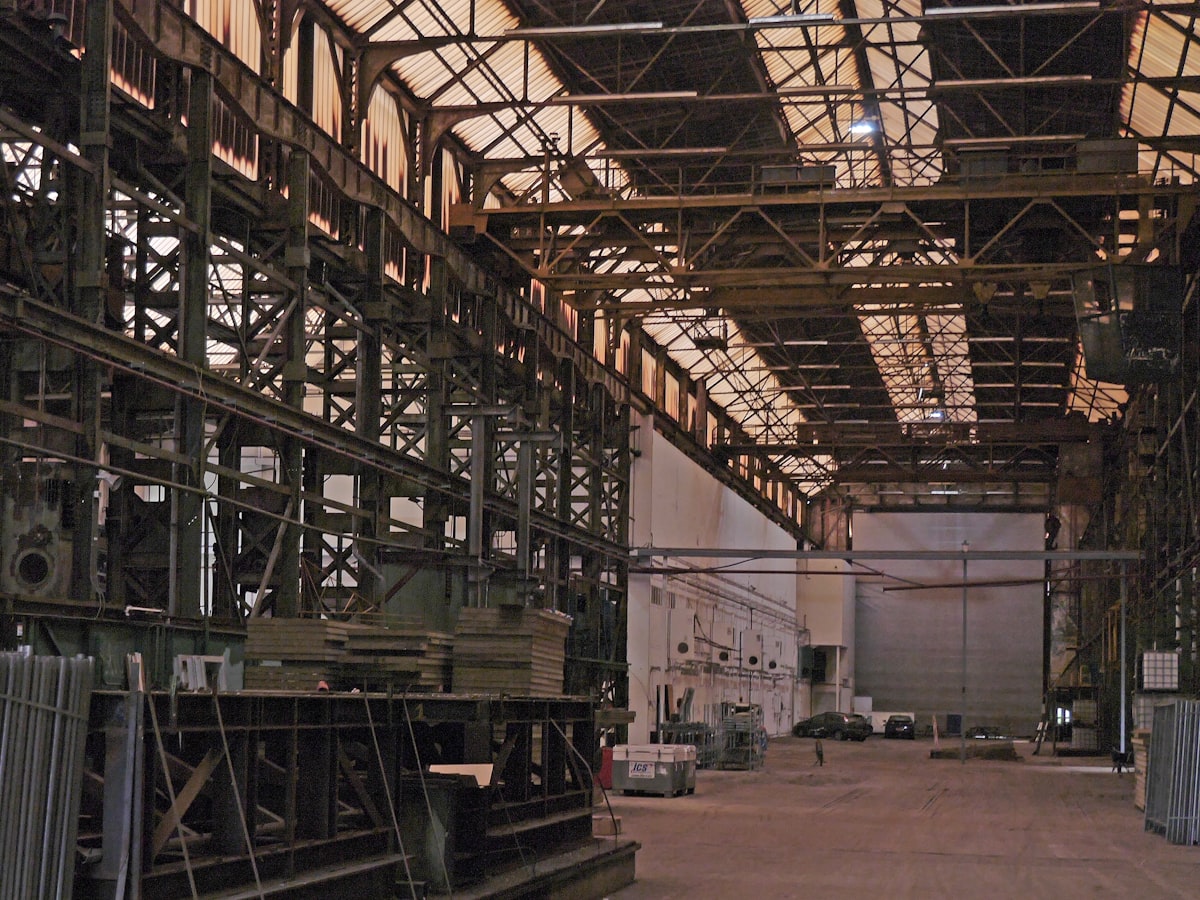
Hitachi Energy's transformer factory expansion has officially broken ground in South Boston, Virginia. But this is no ordinary project. It's set to establish the largest power transformer facility in the United States, targeting a critical piece of equipment that remains in short supply across the national electric grid. We've seen severe equipment bottlenecks in the energy sector. So this facility aims to directly address the surging demand for grid infrastructure.
Four hundred and fifty-seven million dollars. That's the investment. It's a huge number, and this expansion will create about 825 new jobs in Halifax County while nearly doubling the current workforce at the South Boston campus. Hitachi Energy already employs roughly 850 people there. The company has manufactured transformers at this location since 1968. So the newly expanded facility will focus on producing large power transformers designed for high-voltage transmission, power generation, industrial facilities, and data centers.
Meeting the grid modernization challenge
This 457 million dollar project is a key segment of a larger, previously announced investment of more than 1 billion dollars by Hitachi Energy to expand grid equipment manufacturing across the United States. Demand for these heavy electrical components has surged rapidly in recent years. It's a race. Utilities are scrambling to upgrade aging transmission systems while trying to connect new renewable energy projects, industrial operations, and power-hungry artificial intelligence data centers.
Grid upgrades are moving slowly. It's no secret that current transformer shortages are now recognized as one of the biggest bottlenecks delaying new power projects nationwide, but this manufacturing expansion aims to provide a domestic source of equipment to help alleviate these long lead times.
A massive projected surge in power demand
The pressure on the American electrical grid is projected to intensify over the next decade. Industry projections paint a challenging picture of the nation's energy future:
- Total US electricity demand is projected to rise by 21 percent by 2030.
- Total demand is expected to climb by 39 percent by 2035.
- Peak demand is forecast to increase by 14 percent by 2030.
- Peak demand is projected to rise by 25 percent by 2035.
So the most rapid growth is expected in regions experiencing heavy development of data centers, industrial facilities, and widespread electrification. It's already stretching local power supplies to their limits. This consumption growth can't stop.
Transmission capacity remains the primary bottleneck
Two of the fastest-growing electricity markets in the nation, ERCOT in Texas and PJM spanning thirteen states and Washington, DC, currently have no excess generating capacity available to reliably support additional demand growth. Generating electricity is only one part of the equation. Delivering that power requires physical infrastructure.
But here's the problem. Only 68 gigawatts is expected to come online in 2026. So not all of that new capacity will be available during periods of peak demand, and the central challenge for the energy sector is building enough transmission lines, transformers, and distribution infrastructure quickly enough to deliver power to the regions where it is needed most.
Virginia at the center of the internet economy
Virginia is the logical focal point for this industrial expansion. It's no surprise. The state hosts the largest concentration of data centers on Earth, and in northern Virginia alone, local data centers handle an estimated 70 percent of global internet traffic.
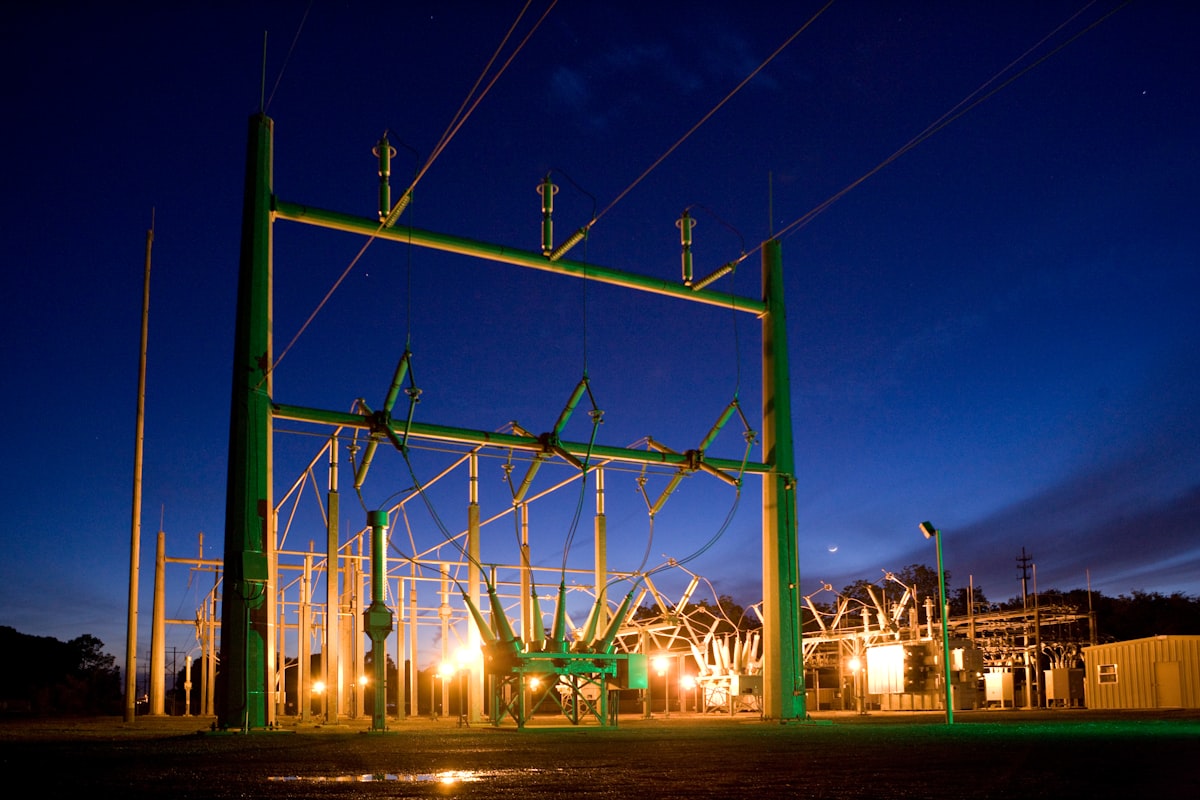
These facilities consume immense amounts of electricity. But data centers already account for roughly one quarter of all electricity sales for Dominion Energy Virginia, and the utility expects its overall electricity demand to nearly double over the next 15 years. It's a trend driven almost entirely by the ongoing expansion of data centers.
Our South Boston expansion will help meet growing demand from utilities, power generators, data centers, and industrial customers nationwide while strengthening the domestic supply chain for critical grid equipment.
It's positioning the Virginia site as a cornerstone of its national manufacturing strategy. But that's no small bet. By dedicating a large portion of its $1 billion US investment to the state, the company is building on nearly six decades of manufacturing history in Southside Virginia, a legacy that shapes this move.
Securing the domestic energy supply chain
825 jobs are coming to Halifax County. That's a major shift for the local economy, and by expanding its existing footprint instead of building on an entirely new site, the company can use its established regional workforce and manufacturing expertise.
This expansion arrives at a critical moment. Domestic manufacturing of electrical infrastructure is now seen as a matter of national utility security, since relying on foreign supply chains for massive high-voltage transformers has previously left US utilities vulnerable to shipping delays and geopolitical trade disruptions. But this project aims to change that.
Frequently Asked Questions
What is the purpose of the Hitachi Energy transformer factory expansion in South Boston, Virginia?
The expansion aims to establish the largest power transformer facility in the United States to address the surging demand for grid infrastructure. It will focus on producing large power transformers for high-voltage transmission, power generation, industrial facilities, and data centers.
Why is the transformer shortage considered a major bottleneck for new power projects?
Current transformer shortages are recognized as one of the biggest bottlenecks delaying new power projects nationwide because utilities need these components to upgrade aging transmission systems and connect new renewable projects. The manufacturing expansion provides a domestic source to help alleviate long lead times.
How many jobs will the Hitachi Energy transformer factory expansion create, and what is the investment amount?
The expansion represents a $457 million investment and will create about 825 new jobs in Halifax County. This nearly doubles the current workforce at the South Boston campus, which already employs roughly 850 people.
When did Hitachi Energy begin manufacturing transformers at the South Boston location?
The company has manufactured transformers at this location since 1968. The newly expanded facility builds on nearly six decades of manufacturing history in Southside Virginia.
Who is expected to benefit from the transformer factory expansion?
The expansion will help meet growing demand from utilities, power generators, data centers, and industrial customers nationwide. It also strengthens the domestic supply chain for critical grid equipment, positioning the Virginia site as a cornerstone of Hitachi Energy's national manufacturing strategy.

Sebastian Wolf reports on the car industry, from performance machines to the engineering that powers them. He is fascinated by how manufacturers balance tradition with the rapid move to electrification.
💬 Comments (0)
No comments yet. Be the first!