Leclerc Wins British GP in the Ferrari SF-26
Charles Leclerc drove his Ferrari SF-26 to victory at Silverstone after a software error ruined a late-race restart.
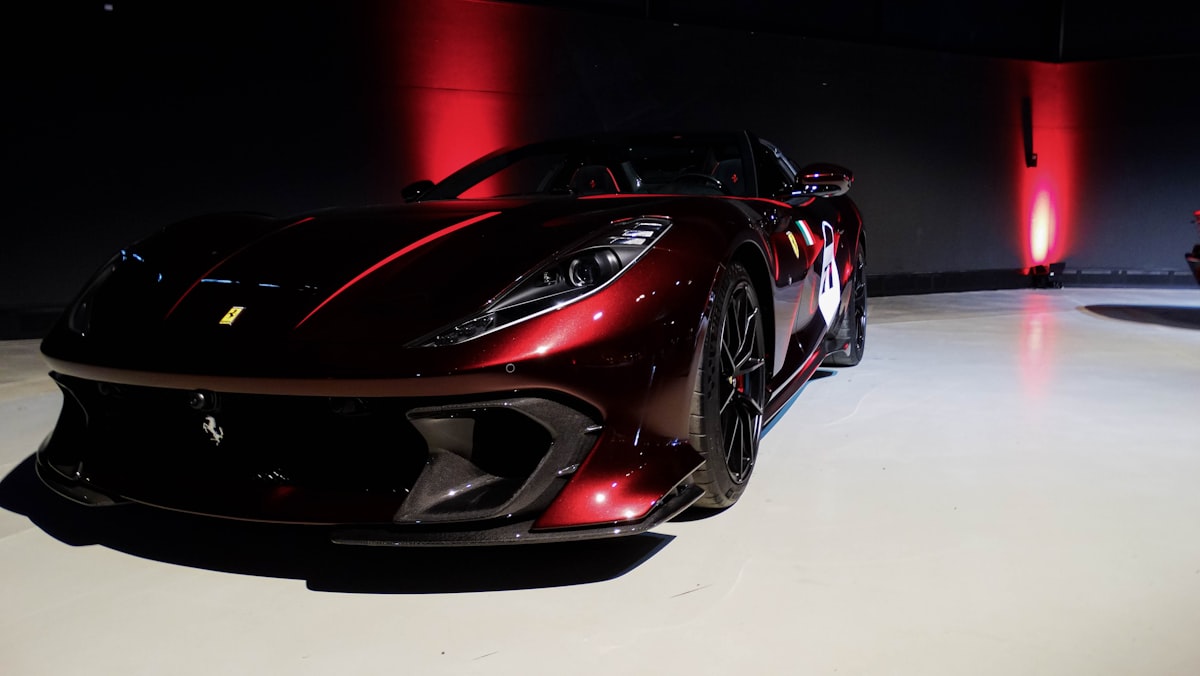
Ferrari's SF-26 was a masterclass at the British Grand Prix. Charles Leclerc finally found the balance that had eluded him for months, and then he won at Silverstone, but the race showed how quickly an F1 event can shift from high-speed precision to total confusion. The victory marked a return to form. It came after a series of difficult finishes in Monaco, Barcelona, and Austria.
Engineering under pressure at Silverstone
Silverstone remains one of the most demanding circuits on the calendar. It's flat and notoriously windy, built on a former World War II airbase where these conditions put immense strain on the cars, particularly regarding energy management. But during qualifying, teams were capped at recovering and deploying 6.5 MJ of energy per lap, compared to the 8 MJ per lap allowed in the sprint and main race, which forced drivers to push the absolute limits through high-speed corners like Copse and Becketts. That's no small feat.
Heat and altitude wrecked their Austrian weekend. But in cooler, thicker air, the team's engine upgrades finally worked, giving the car the grip and power it had been missing for weeks. Lewis Hamilton, energized by the roaring home crowd, attacked early and pushed the pace hard. But it was Leclerc who mastered the machine. He secured the top spot on the podium.
The mechanical toll on the grid
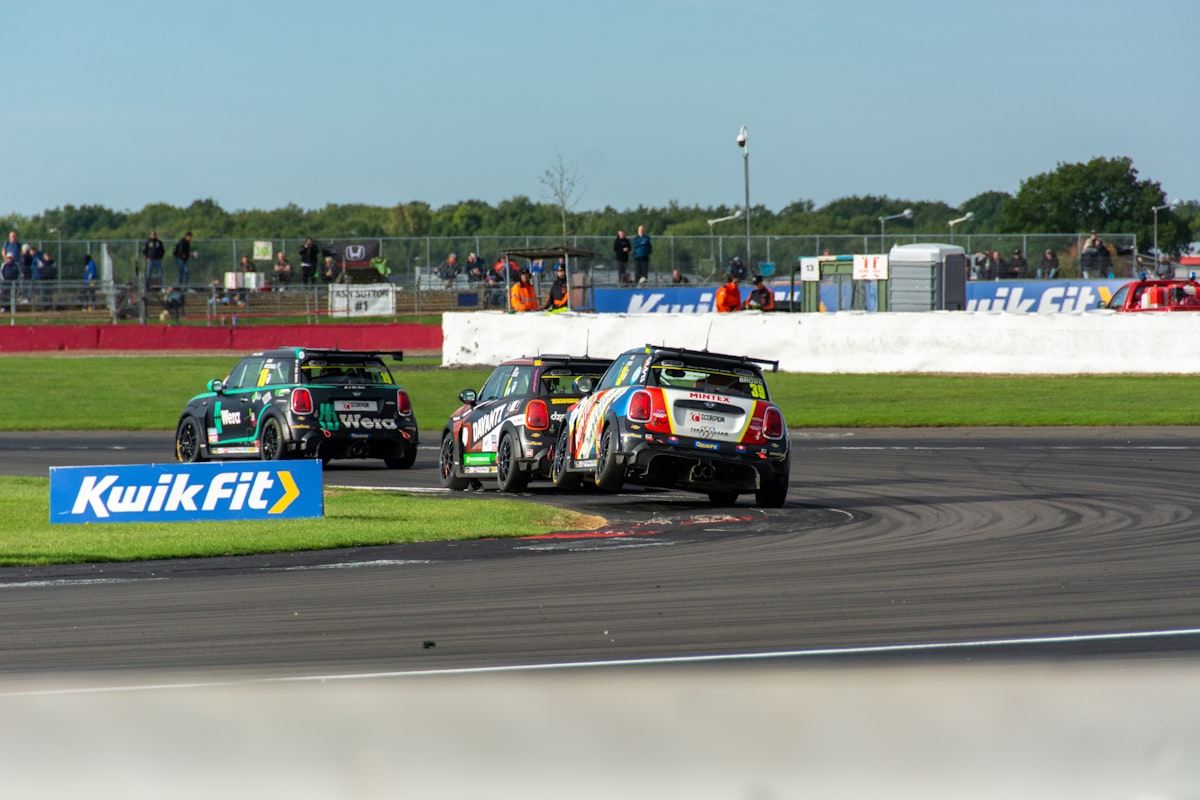
Racing at this level is unforgiving. The British Grand Prix turned into a survival test for many drivers because reliability issues and mid-race failures struck without warning, and the circuit's aggressive, serrated curbs took a clear toll on the field. It's brutal.
- Kimi Antonelli suffered a suspension or steering failure on lap 41.
- Max Verstappen retired on lap 48 after a rear wing malfunction.
- Leclerc led the field across the line to take the win.
The failure on Max Verstappen's Red Bull was major. It's a recurring and deeply dangerous problem for the four-time champion, as modern cars rely on precise transitions between low-downforce and high-downforce configurations, so any lag in the system can create sudden instability. This specific issue has now plagued him multiple times this season.
Software errors ruined the finale
Fans at Silverstone expected a thrilling sprint to the finish. But they got a confusing technical error instead. An automated message flashed on screens signaling a restart, though it was a mistake, and race control never issued the command, so the rules prevented a restart in the remaining time. It's a mess.
It's a familiar story. Communication failures overshadowed the driving, and for the spectators and viewers, the promise of a one-lap shootout vanished as quickly as it appeared. So this stark moment reminds us that even in a sport defined by mechanical excellence, digital infrastructure can still drop the ball.
Looking ahead for the grid
Luck rarely comes without a cost in this sport. Leclerc needed this result, and his connection with the Ferrari SF-26 suggests he might finally be finding his rhythm, but the reliability concerns haunting the rest of the field remain a massive story.
Technology creates new risks
The reliance on automated race management systems is a double-edged sword. It's a gamble. When these systems work, they keep the event moving with the precision of a Swiss timepiece, but when they fail, they create false expectations that deflate the intensity of the race for everyone involved. So the technical team at the F1 facility in Biggin Hill will likely face pressure to ensure these glitches do not repeat.
Driver stability remains the goal
Speculation about the future of top drivers is mounting, and with that, the pressure to perform has reached an all-time high that no one can ignore. But a win for Ferrari offers a temporary reprieve from the noise. The reality remains. Every team is just one curb strike or one software bug away from a ruined afternoon.
Frequently Asked Questions
What made the Ferrari SF-26 successful at the British Grand Prix?
The Ferrari SF-26 found the balance that had eluded it for months, allowing Charles Leclerc to master the machine and secure the win. The car benefited from cooler, thicker air at Silverstone, which made engine upgrades finally work, giving it the grip and power it had been missing.
Why did Max Verstappen retire from the British Grand Prix?
Max Verstappen retired on lap 48 after a rear wing malfunction. The article notes this is a recurring and deeply dangerous problem for him, as modern cars rely on precise downforce transitions and any lag can cause sudden instability.
How did the energy management limits affect qualifying at Silverstone?
During qualifying, teams were capped at recovering and deploying 6.5 MJ of energy per lap, compared to 8 MJ allowed in the sprint and main race. This forced drivers to push the absolute limits through high-speed corners like Copse and Becketts.
When did Kimi Antonelli suffer a failure during the race?
Kimi Antonelli suffered a suspension or steering failure on lap 41. The article states the circuit's aggressive, serrated curbs took a clear toll on the field, making reliability a major issue.
Who benefited from the victory at the British Grand Prix and why was it important?
Charles Leclerc benefited from the victory, which marked a return to form after a series of difficult finishes in Monaco, Barcelona, and Austria. The win gave Ferrari a temporary reprieve from noise about driver stability and mounting performance pressure.

Dominic Fischer writes about cars and the future of mobility, covering everything from new launches to charging infrastructure. He follows how the way we drive is changing and what comes next on the road.
💬 Comments (0)
No comments yet. Be the first!