XPENG G6 Production Begins in Malaysia
The first locally assembled XPENG G6 has rolled off the production line in Melaka, marking a new milestone for Malaysian EV manufacturing.
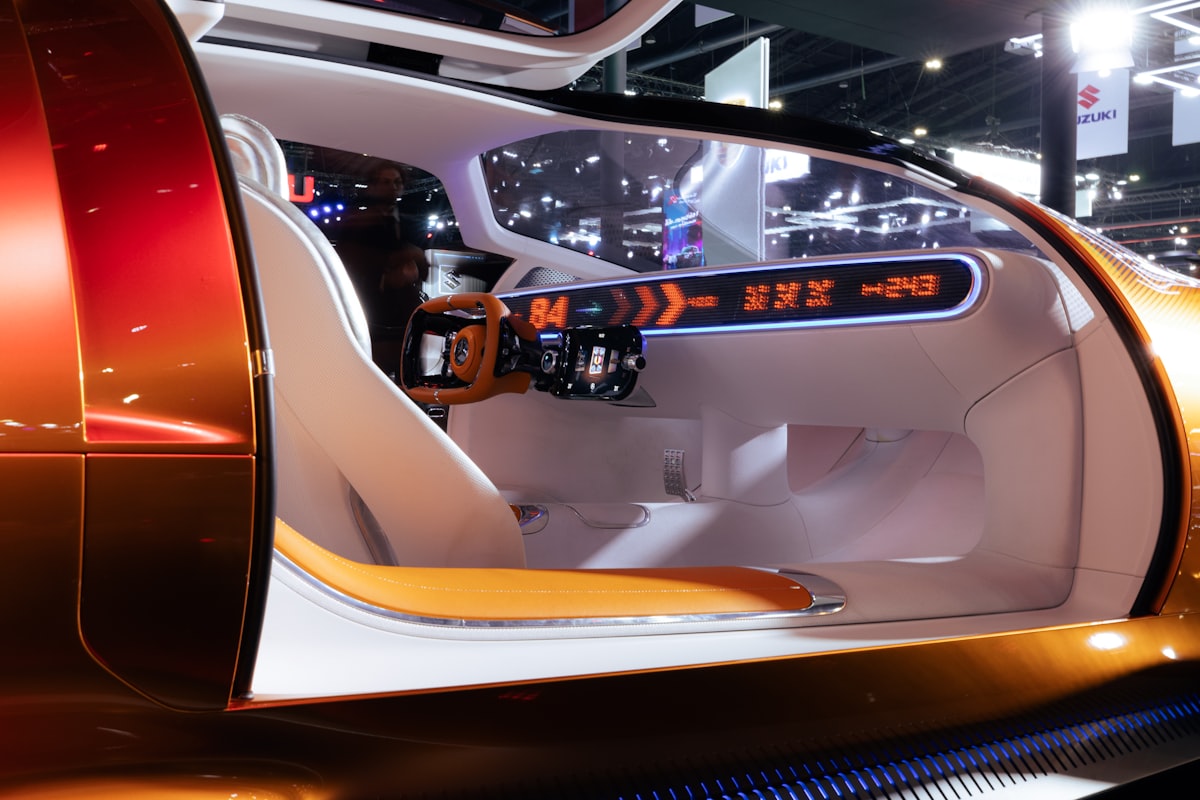
XPENG G6 production begins in Malaysia
XPENG G6 production has officially commenced in Malaysia. That's a big deal. The first unit of the electric crossover rolled off the line at the facility operated by EP Manufacturing Berhad in Melaka during June, and it follows a rapid six-month timeline since the two organizations finalized their agreement to bring local assembly to the HICOM Pegoh Industrial Park. But it's only the beginning.
Building a regional hub
Malaysia is moving beyond its traditional role. It's no longer just a simple export destination for international automakers. But by establishing local assembly operations for the G6, the company is demonstrating a commitment to integrating into the local supply chain, and this approach mimics a broader industry trend where manufacturers shift production closer to the end consumer to improve resilience and reduce logistical overhead.
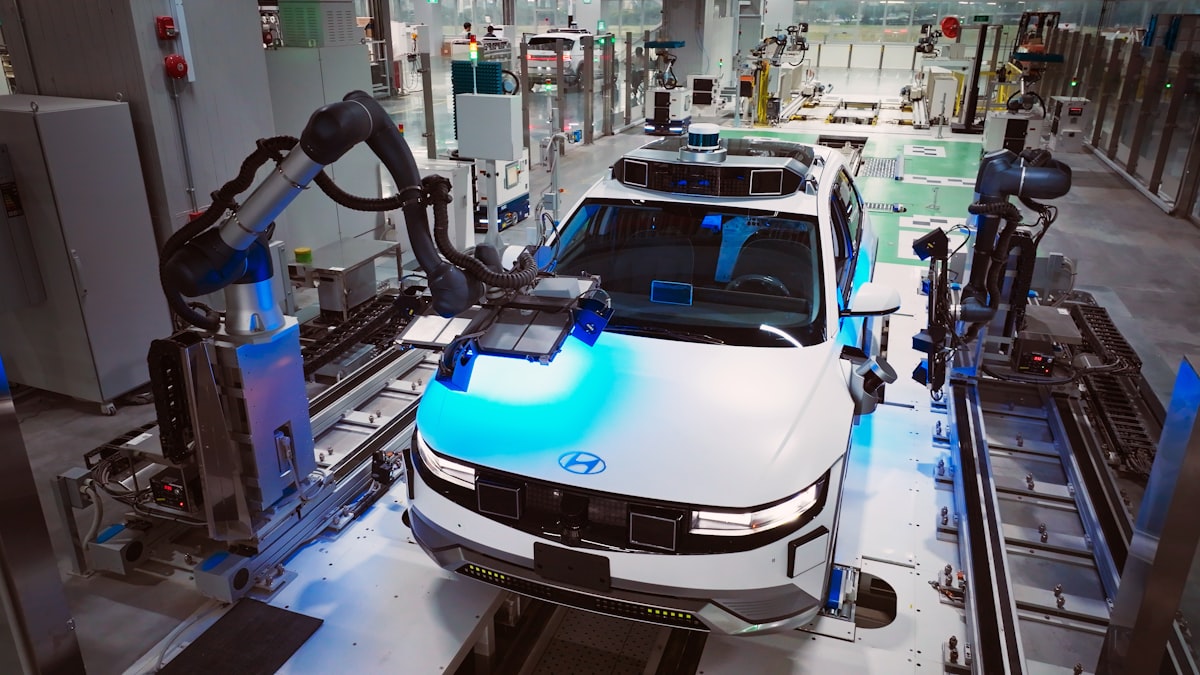
This isn't a one-car deal. It's a broad pact that covers a pipeline of future products, local assembly potential, and other major components. And key aspects of the current partnership include.
- Production of the G6 electric SUV.
- Assembly plans for the X9 premium MPV.
- Future production of the PowerX REEV variant.
- Right of first refusal for the assembly of three upcoming models.
The shift toward local manufacturing
For years, the standard practice for brands selling in Southeast Asia involved shipping finished units from China. That model is now fading. Local assembly allows firms to react faster to regulatory changes and shifting buyer preferences. Malaysia is an ideal candidate for this pivot due to its established infrastructure and experience with right-hand-drive vehicle production.
Several other manufacturers are tracking similar paths within the country. Leapmotor selected Malaysia as its ASEAN production base through Stellantis' manufacturing facility in Gurun, Kedah, while Great Wall Motor and MG are assembling vehicles through EPMB in Melaka. BYD has also signaled its intention to begin manufacturing operations locally as regional demand climbs.
Supporting the electric ecosystem
Manufacturing cars isn't the whole picture. So charging networks are expanding across the country to support the growing number of electric vehicles hitting the road every single month. It's a massive effort. Recent additions include a major AC charging hub at the Merdeka 118 tower in Kuala Lumpur, which features 32 bays. But operators such as Gentari, JomCharge, and chargEV are also building out highway networks to ensure long-distance travel remains viable for owners.
Advanced technology on the road
The vehicle arriving in Melaka is far from a basic commuter model. The G6 utilizes an 800-volt SEPA 2.0 architecture, allowing for ultra-fast DC charging. It also integrates sophisticated software and driver assistance systems. Malaysia is clearly aiming to capture the production of high-tech mobility solutions rather than settling for entry-level hardware.
Policy driving industrial change
Government initiatives have played a heavy hand in this transition. But it's not the same game anymore. While initial tax breaks were designed to seed the market and build early interest, current policies now prioritize long-term industrial value, shifting the focus toward local component manufacturing, technology development, and assembly operations. This creates a feedback loop where infrastructure, policy, and manufacturing growth support one another.
Future growth prospects
The strategy appears to be gaining momentum. Beyond the influx of foreign investment, domestic players like Proton are accelerating their own electrification efforts by leveraging technology from Geely. The launch of the e.MAS 7 is just one example of the country aiming to build its own competitive brands alongside the international companies setting up operations.
The XPENG G6 keeps rolling off the line. And the country is proving it can handle the complexity of modern electric vehicle production, thanks to the integration of charging infrastructure and local component sourcing that suggests this momentum is likely to last.
Frequently Asked Questions
Where has production of the XPENG G6 officially begun?
Production of the XPENG G6 has officially commenced in Malaysia at the facility operated by EP Manufacturing Berhad in Melaka. The first unit rolled off the line during June.
Why is Malaysia becoming a hub for XPENG G6 local assembly?
Malaysia has established infrastructure and experience with right-hand-drive vehicle production, making it ideal for local assembly. This shift allows XPENG to integrate into the local supply chain, improve resilience, and reduce logistical overhead.
What other models are included in the partnership between XPENG and EPMB?
The partnership covers assembly plans for the X9 premium MPV, future production of the PowerX REEV variant, and a right of first refusal for the assembly of three upcoming models.
How does the XPENG G6 support advanced technology?
The G6 utilizes an 800-volt SEPA 2.0 architecture for ultra-fast DC charging and integrates sophisticated software and driver assistance systems.
What government policies are driving local manufacturing of EVs like the XPENG G6?
Current government policies prioritize long-term industrial value, shifting focus toward local component manufacturing, technology development, and assembly operations. This creates a feedback loop supporting infrastructure, policy, and manufacturing growth.

Sebastian Wolf reports on the car industry, from performance machines to the engineering that powers them. He is fascinated by how manufacturers balance tradition with the rapid move to electrification.
💬 Comments (0)
No comments yet. Be the first!