Firmus energy agreement signed for 600 MW
The new Firmus energy agreement with Gunvor Group supports 1.2 GW of renewable energy and 1.5 GWh of battery storage.
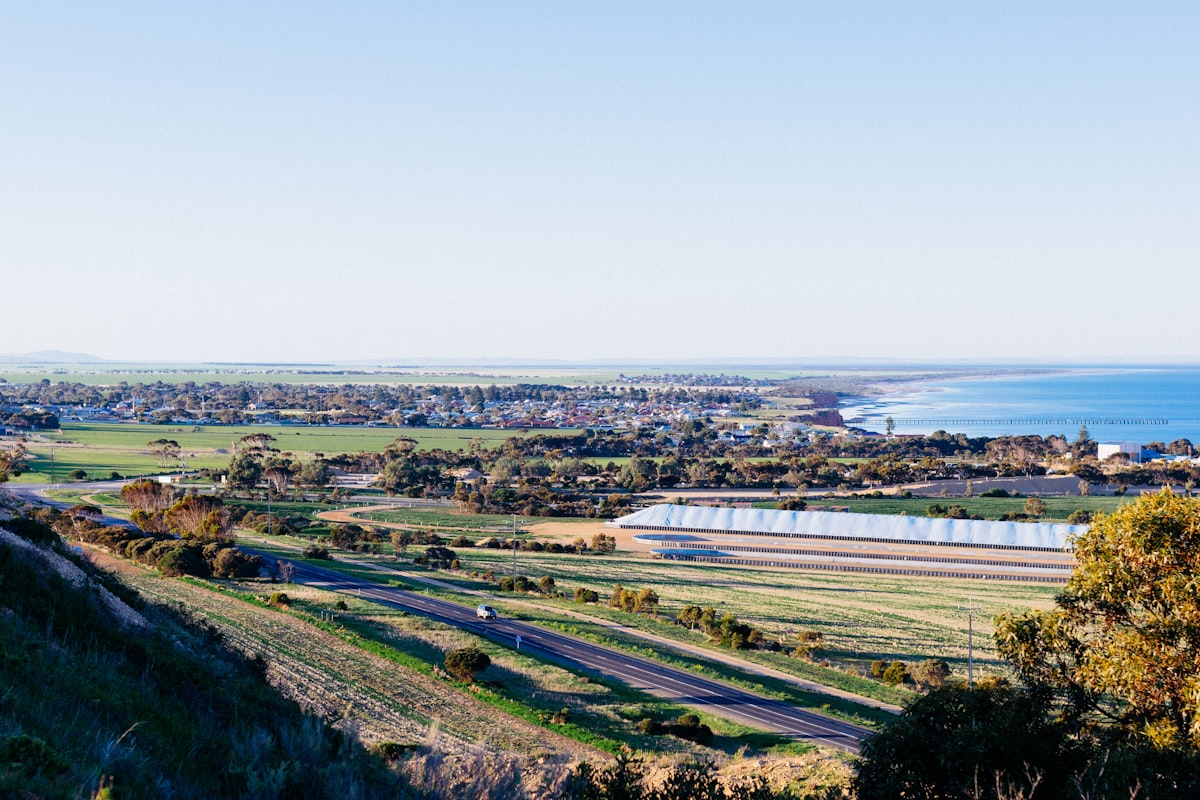
The Firmus energy agreement signed for 600 MW marks a major expansion of regional digital infrastructure in South Australia. It's a deal with Gunvor Group. This long-term wholesale energy supply contract with the commodity trading company secures a twelve-year electricity commitment, and it's designed to power the next phase of Project Southgate, which aims to establish large-scale AI Factory campuses across regional areas. But that's not all.
Under the terms of the deal, Gunvor Group will support the development of 1.2 GW of new renewable generation capacity alongside 1.5 GWh of new battery storage by the year 2032. This substantial build-out of energy assets will directly feed the planned expansion of digital infrastructure in the state. By linking data center operations to new generation, the initiative ensures that the massive power requirements of advanced computing are matched by new power sources entering the local grid.
An innovative demand response commitment
Here's the deal: a demand response mechanism is built right in. It requires the data facilities to scale back their electricity consumption for up to 220 hours each year when wholesale prices cross agreed limits. That's the central feature.
It works. Reducing industrial power demand during periods of extreme grid stress helps lower wholesale price pressures. This approach frees up capacity for other consumers when the grid is under strain.
The power arrangement supports the first phase of regional AI Factory campuses located at Tailem Bend and Stirling North. Together, these two initial sites represent 2.7 GW of planned capacity. The contract also represents the first major commercial agreement that aligns with the Australian Energy and Water Policies released by the infrastructure developer.
Koolunga battery anchors initial grid support
This deal includes a long-term offtake agreement supporting GreenPoint Energy's Koolunga Battery Energy Storage System. It's a grid-forming battery facility. And it's located near Brinkworth in the Mid North region of South Australia, a site chosen to help stabilize the local power grid.
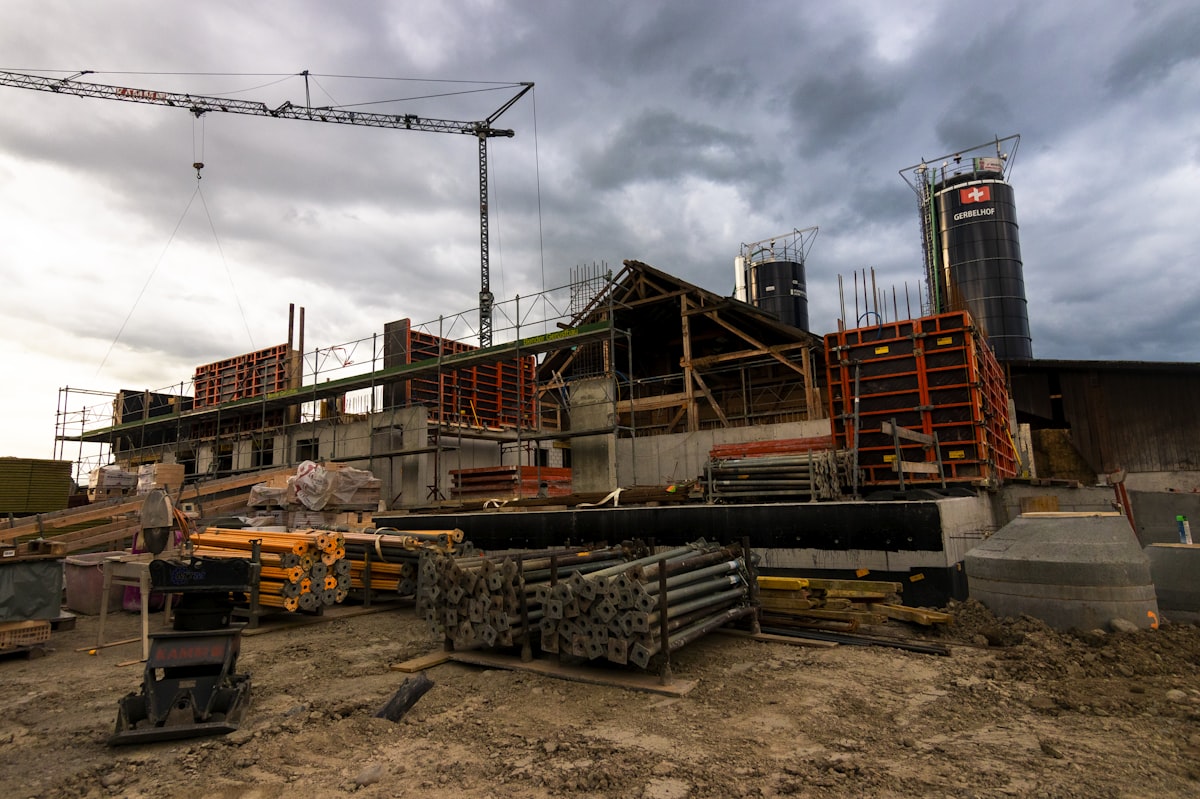
The technical specifications of this storage project include:
- An initial capacity of 200 MW
- A total storage volume of 800 MWh
- More than half of the initial firming capacity committed under the contract
Placing large industrial infrastructure in regional areas is a deliberate strategy. It's smart. These locations offer strong renewable energy resources and existing transmission lines, so they're designed to draw long-term capital investment and create skilled employment opportunities far outside the major metropolitan centers. But that's not all. The regional campuses can't rely on urban centers alone.
Driving investment in regional communities
Oliver Curtis, Co-CEO of Firmus Technologies, explained the regional focus of the development strategy:
We're building our AI Factories in regional South Australia because they're the right locations for large-scale AI infrastructure and the energy investment that goes with it. They're perfect for the grid. So our South Australia energy agreement puts our commitments into practice, backing new renewable generation, major battery storage and flexible energy use that supports the grid.
The Koolunga battery is the first example of that commitment. It's a massive digital infrastructure project, representing more than half of Firmus' initial firming capacity commitment, and state officials see it as a major economic opportunity.
State leadership welcomes technology sector
Peter Malinauskas, the Premier of South Australia, made it clear that the state's clean energy transition is actively drawing in modern industrial operators who see a future here. It's a big deal. And this digital project is positioned as a key contributor to the economic future of the state, bringing jobs and investment directly into regional areas where they can make a real difference.
This agreement's commercial structure sets a template for future deals. By packaging energy supply, battery storage, and risk management into a single transaction, the model shows how large-scale buyers can help bring new power assets online. It's a clear approach. But simplicity is deceptive here.
Gunvor Group brings substantial global trading scale to this agreement. It's a massive player. In 2025, the independent commodity trading firm generated 144 billion US dollars in revenue and traded 253 million metric tons of commodities.
The Firmus energy agreement is a practical application of the trader's growing power origination business in the Asia Pacific region. It's real. So the company operates across more than 100 countries, with main trading hubs in Geneva, Singapore, and Houston that connect global markets and drive its expanding influence.
David Maher, Head of APAC Power Trading and Origination at Gunvor, noted that long-term customer demand is a powerful tool to unlock renewable energy supply and storage. And it works. As digital infrastructure grows in Australia, this commercial model offers a reliable path to balance grid stability with industrial power needs, so we can't ignore its potential.
Frequently Asked Questions
What is the Firmus energy agreement signed for 600 MW?
The Firmus energy agreement is a long-term wholesale energy supply contract with Gunvor Group, securing a twelve-year electricity commitment to power the next phase of Project Southgate. It aims to establish large-scale AI Factory campuses across regional areas in South Australia.
How does the agreement support grid stability?
A demand response mechanism requires data facilities to scale back electricity consumption for up to 220 hours each year when wholesale prices cross agreed limits. This reduces industrial power demand during grid stress, lowering price pressures and freeing up capacity for other consumers.
Why are the AI Factory campuses located in regional South Australia?
Regional locations offer strong renewable energy resources and existing transmission lines, making them ideal for large-scale AI infrastructure and energy investment. They also draw long-term capital investment and create skilled employment opportunities outside major metropolitan centers.
Who signed the Firmus energy agreement?
The agreement was signed between Firmus Technologies and Gunvor Group, as stated by Oliver Curtis, Co-CEO of Firmus Technologies. Gunvor Group is an independent commodity trading firm with global scale, generating $144 billion in revenue in 2025.
What is the Koolunga battery's role in the agreement?
The Koolunga Battery Energy Storage System, a grid-forming facility near Brinkworth in South Australia, is supported by a long-term offtake agreement. It has an initial capacity of 200 MW and 800 MWh storage volume, representing more than half of Firmus' initial firming capacity commitment.

Sebastian Wolf reports on the car industry, from performance machines to the engineering that powers them. He is fascinated by how manufacturers balance tradition with the rapid move to electrification.
💬 Comments (0)
No comments yet. Be the first!