I Beg You: Don't Run These Power Station Appliances
A home tech expert advises against continuously running certain power station appliances, like space heaters and ovens, to avoid rapidly draining backup power during outages.
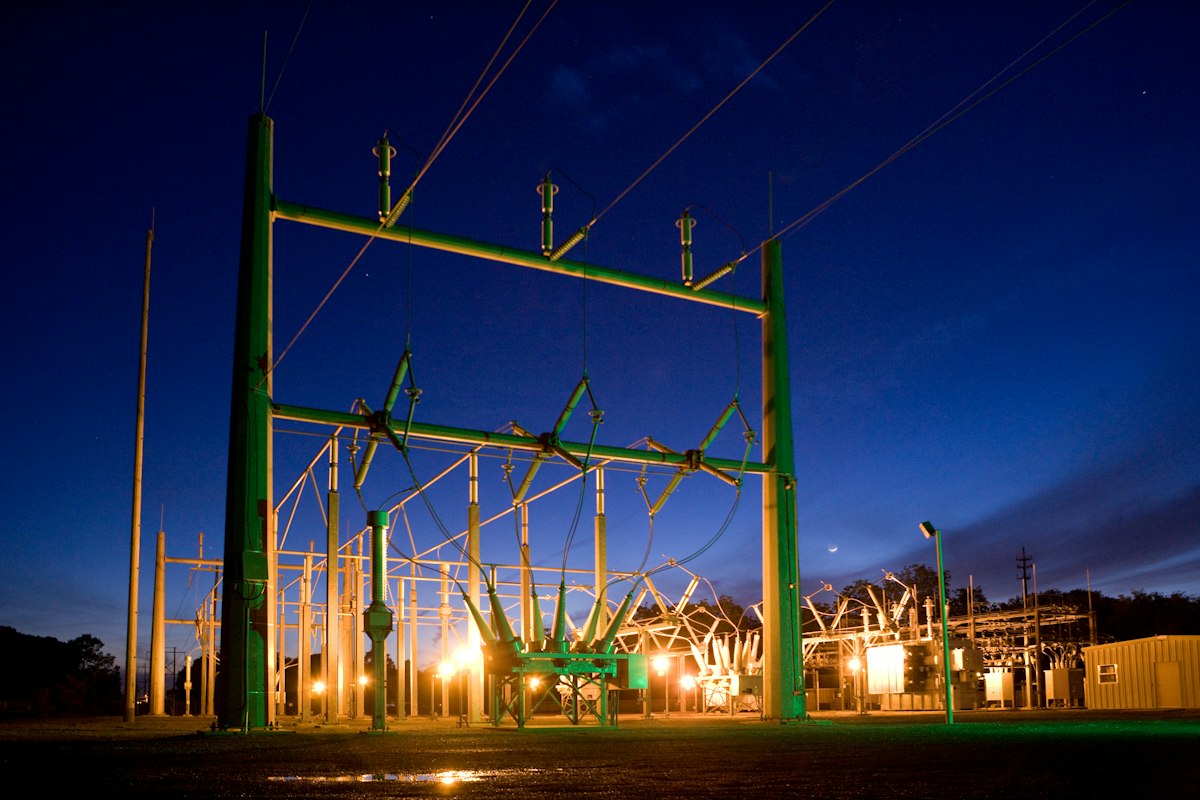
Power station appliances, while a lifeline during unexpected outages, demand a strategic approach to their use. A seasoned home tech expert is urging consumers to rethink how they use these backup units, noting that while many heavy-duty stations offer impressive wattage, some common household devices can quickly diminish their usefulness.
The Hidden Power Drainers
Maximize backup power. Tempting. It's an understandable inclination during a blackout to push systems, considering many modern, large power stations are engineered to handle substantial loads, from electric vehicle chargers to heat pumps. But an expert warns. Technical capability doesn't always equate to genuinely practical or truly efficient use, particularly when a system is relying on finite stored energy.
Energy consumption matters. It's from appliances that generate heat or operate with continuous, high power draws; these devices, even when they're compatible with your power station's output, can deplete its battery capacity at an alarming rate. That defeats its very purpose.
Heat-Producing Devices Are the Primary Culprits
Devices that convert electrical energy into heat are exceptionally power-hungry. The heating elements within these appliances consume power rapidly, leading to a swift drain on any backup battery. This category includes some of the most common household items:
- Electric clothes dryer
- Electric water heater (whether tankless or with a tank)
- Hot tub or pool heater
- Electric oven
- Space heater
- Electric fireplace
- Heat pump
Consider the stark reality of a space heater, for instance. A unit drawing 1,500W could exhaust the entire battery of a 2,000W power station in 80 minutes or less. Such a rapid depletion offers minimal relief during an hours-long power outage.
Central HVAC: A Gigantic Load
Central HVAC systems consume massive power. Beyond individual heating elements, a central heating, ventilation, and air conditioning system represents an even more substantial burden, one that typically pulls between 3,000W and 5,500W. And this creates an enormous, sustained energy demand; it's enough to quickly bring a power station to its knees.
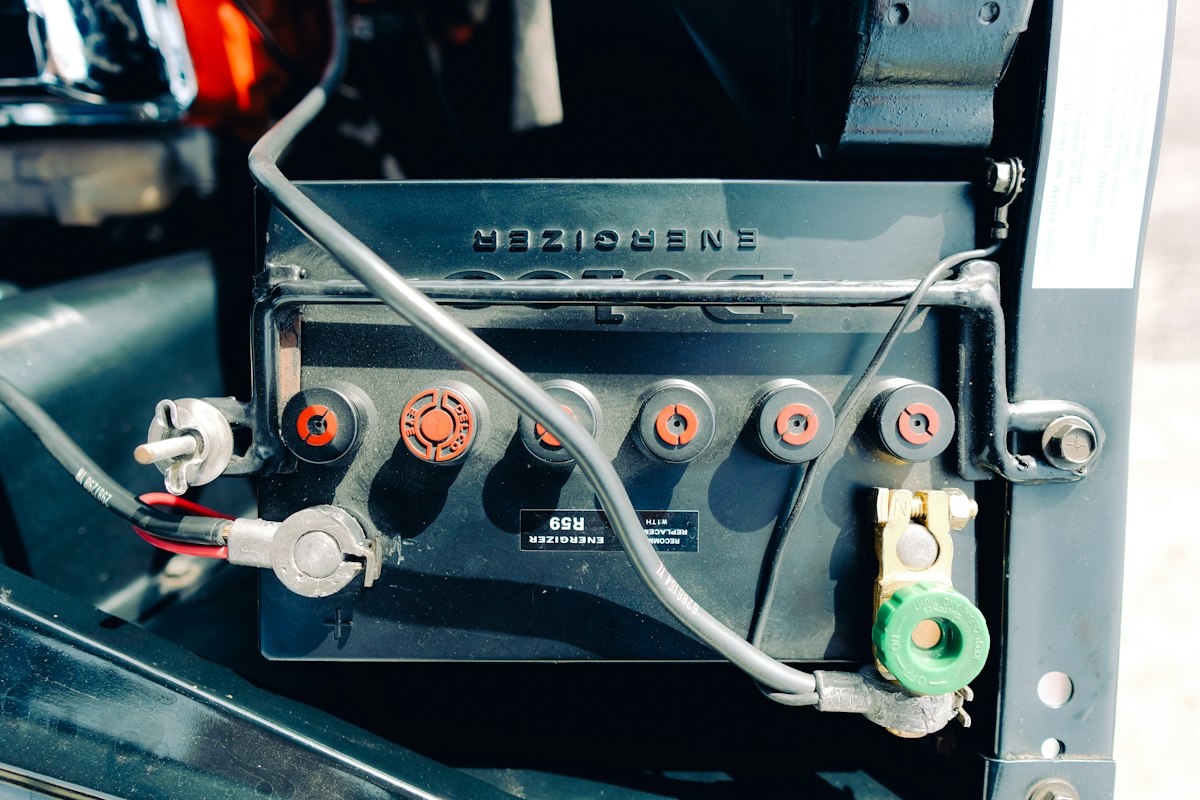
Preserve precious energy. This recommendation isn't about a compatibility flaw; rather, it's a practical guideline, meticulously developed for preserving precious stored energy. A power station can provide initial wattage to kickstart such an appliance. But maintaining its operation is another matter entirely.
Home tech advice: don't just do it. While many power stations possess sufficient wattage to initiate an appliance, the home tech expert warns that this approach might not constitute the most judicious or efficient method for operating such devices, especially considering potential strain and longevity. It's often not sensible.
Prioritize What Truly Matters
During a power interruption, strategic prioritization becomes paramount. Instead of wasting valuable energy on high-draw appliances, the expert recommends focusing on devices critical for safety, communication, and basic comfort. These are the power station appliances that genuinely make a difference when the grid goes dark:
- Modems and routers for uninterrupted internet access, especially for those working remotely.
- Refrigerators to prevent food spoilage.
- Security cameras and systems for peace of mind.
- Fans during warmer months to maintain comfort.
- Lamps provide necessary lighting.
- Medical devices, such as CPAP machines, which are non-negotiable for many.
Smart Management is Key
Unlike a space heater that draws continuous maximum power, a refrigerator's compressor cycles on and off to maintain its set temperature. This intermittent power draw makes it a far more efficient appliance to run on a backup system. Understanding these consumption patterns is vital for effective power management.
Plan it. Developing an emergency plan that lists key devices and outlines their planned usage is a vital step, especially since modern smart systems, often paired with manufacturer apps, can now provide real-time monitoring of energy consumption and estimated battery life, thereby empowering users to make truly informed decisions about their remaining power reserves. It's important. These systems give you data.
Ultimately, the objective is to make the most of your backup power. By understanding which power station appliances are energy hogs and which are essential, consumers can navigate outages more effectively, ensuring vital systems remain operational for as long as needed.
Frequently Asked Questions
What types of household appliances are the primary culprits for rapidly draining a power station's battery?
Appliances that generate heat or operate with continuous, high power draws are the primary culprits for rapidly draining a power station's battery. This category includes devices with heating elements, which consume power rapidly and lead to a swift drain on backup battery capacity.
Why does the article advise against using a space heater with a power station?
The article advises against using a space heater due to its significant power draw. A unit drawing 1,500W, for example, could exhaust a 2,000W power station's battery in 80 minutes or less, offering minimal relief during a prolonged outage.
What are some essential power station appliances recommended by the expert during an outage?
During a power interruption, the expert recommends focusing on devices critical for safety, communication, and basic comfort. These include modems and routers for internet access, refrigerators to prevent food spoilage, security cameras, lamps for lighting, and essential medical devices like CPAP machines.
How does a refrigerator's power consumption differ from a space heater, making it more efficient for a power station?
Unlike a space heater that draws continuous maximum power, a refrigerator's compressor cycles on and off to maintain its set temperature. This intermittent power draw makes a refrigerator a far more efficient appliance to run on a backup system compared to devices with constant high energy demands.
What is the ultimate objective when using a power station during an outage?
The ultimate objective is to make the most of your backup power by navigating outages more effectively. By understanding which power station appliances are energy hogs and which are essential, consumers can ensure vital systems remain operational for as long as needed.

Beatrice Novak covers the business of technology, from enterprise software and cloud platforms to the strategy behind the biggest deals. She follows how companies adopt new tools and what it means for the wider economy.
💬 Comments (0)
No comments yet. Be the first!