CXMT Debut Signals a Shift in Memory Strategy
CXMT’s 466% Shanghai debut underscores a strategic push for domestic DRAM supply amid global AI-driven memory shortages.
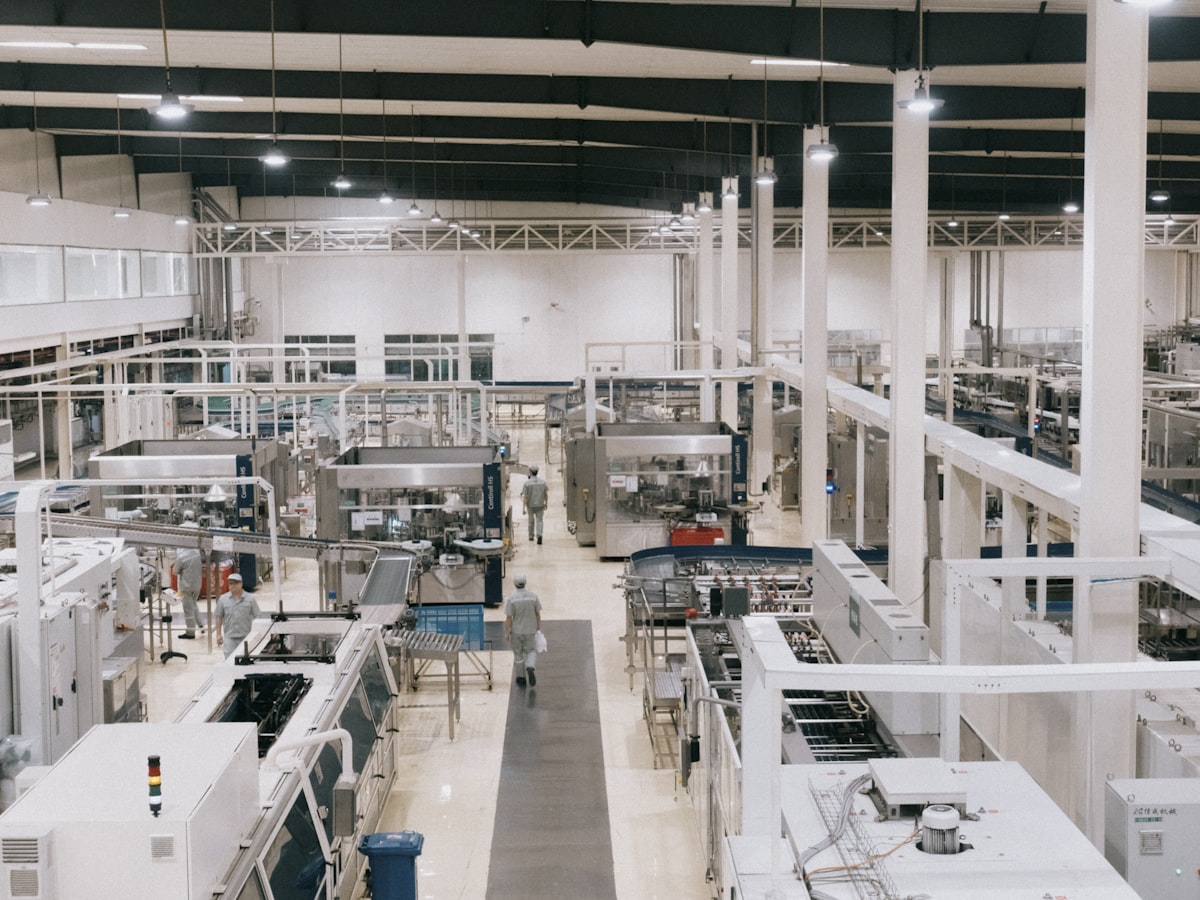
CXMT debuted on the Shanghai stock exchange with a surge that redefines the hierarchy of the Chinese technology sector. It's historic. The company closed its first day of trading up 466 percent, pushing its valuation to 3.28 trillion yuan, and this move marks the arrival of a major player in the semiconductor space, specifically within the dynamic random access memory market. But this is an event of historic proportions for the onshore market, standing as the largest listing in the country this year and the second largest in history.
A New Weight In The Market
The scale of this entry is difficult to ignore. But it's not just the share price appreciation that matters, as the sheer volume of trading activity signaled intense investor interest and accounted for nearly 7 percent of all trading on the onshore market in a single session. This development places the ten-year-old firm in a unique position. Its market capitalization now exceeds that of major financial institutions. And this valuation shift illustrates how capital markets are prioritizing hardware infrastructure in response to global demand for memory components.
The momentum behind this listing can be traced to several factors identified by market observers:
- The retail tranche was oversubscribed by a factor of 212.
- Individual investors submitted 9.4 million orders.
- The total value of these individual orders reached 7.07 trillion yuan.
- The firm raised 57.92 billion yuan, with potential for more if the overallotment is exercised.
The Memory Shortage Context
Memory components have become the bottleneck for modern computing. As organizations scale infrastructure for artificial intelligence, the demand for high-capacity DRAM has consistently outpaced supply, creating a ripple effect that touches everything from enterprise servers to consumer hardware. So the price adjustments seen at the retail level highlight how deeply this scarcity has permeated the broader technology economy.
Strategic Positioning And Global Competition
It's dominated by a few global giants. But the company faces a tough competitive landscape, and while the firm is projected to hold a 7.67 percent share of the global DRAM market in 2025, its internal growth trajectory is already clear. Traction is real. The shift in operational profit from a loss last year to 35.43 billion yuan in the first quarter signals it, so the business has entered the testing phase with device manufacturers for products sold in regional markets.
Theodore Shou of Yiyi Capital offered a perspective on this outlook:
I have no doubt the company is going to grow to be a global leader. It can be a global champion in this particular sector.
The Limits Of Current Valuation
But the high valuation also reflects technical constraints. Because the company does not have access to extreme ultraviolet lithography, there are natural limits to how it can advance conventional DRAM technology. This creates a split in opinion among analysts. Some project a massive rally as the firm secures additional market share, while others suggest the current price is disconnected from the reality of these technological hurdles. The valuation gap remains a central point of contention for institutional observers.
Looking Toward The Next Cycle
Capital is flooding through the broader sector right now. But with other major competitors raising billions in international markets, the focus has shifted to who can best manage the supply-and-demand imbalance that defines the current era. That's a tough spot. The company must now transition from a high-profile IPO to a stable operational player capable of sustaining its margins. Nomura expects the firm to increase its slice of global DRAM output to 18 percent by the end of 2028.
The focus on domestic capacity ensures CXMT will remain a focal point for investors watching the intersection of policy and silicon. It's now part of a queue of regional chip makers. But this shift can't be taken lightly. How the company manages the move from a speculative high-growth asset to a stable industry pillar will define the next phase of its strategy. It's attempting to secure a permanent role in the global supply chain.
Frequently Asked Questions
What was CXMT's first-day trading performance on the Shanghai stock exchange?
CXMT closed its first day of trading up 466 percent, pushing its valuation to 3.28 trillion yuan. This surge made it the largest listing in the country this year and the second largest in history.
Why is CXMT's entry into the market considered significant for the semiconductor space?
CXMT's debut marks the arrival of a major player in the semiconductor space, specifically within the dynamic random access memory market. Its market capitalization now exceeds that of major financial institutions, illustrating how capital markets are prioritizing hardware infrastructure.
How much capital did CXMT raise in its IPO, and what was the level of retail investor interest?
The firm raised 57.92 billion yuan, with potential for more if the overallotment is exercised. The retail tranche was oversubscribed by a factor of 212, with individual investors submitting 9.4 million orders totaling 7.07 trillion yuan.
What are the technological constraints CXMT faces according to the article?
CXMT does not have access to extreme ultraviolet lithography, which creates natural limits to how it can advance conventional DRAM technology. This has led to a split in opinion among analysts regarding its valuation and prospects.
Who is Theodore Shou and what is his outlook on CXMT?
Theodore Shou is from Yiyi Capital. He expressed confidence that CXMT will grow to be a global leader and become a global champion in the DRAM sector.

Julian Sterling reports on enterprise IT, data infrastructure and the vendors that keep modern business running. He has a long-standing interest in how organisations modernise their systems without breaking what already works.
💬 Comments (0)
No comments yet. Be the first!