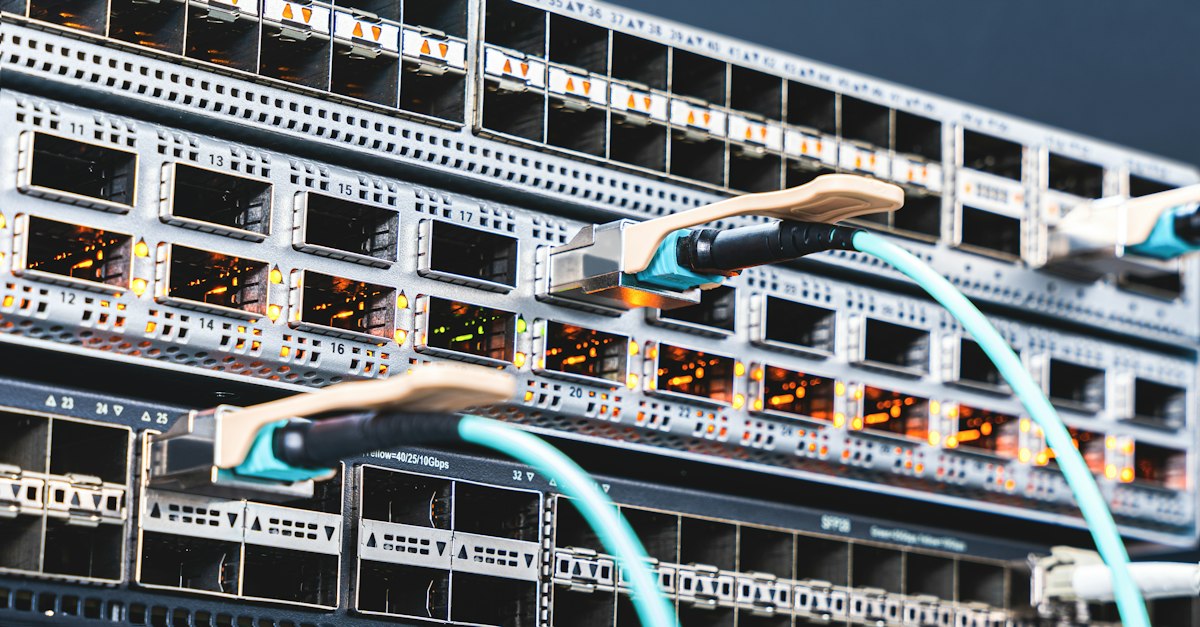
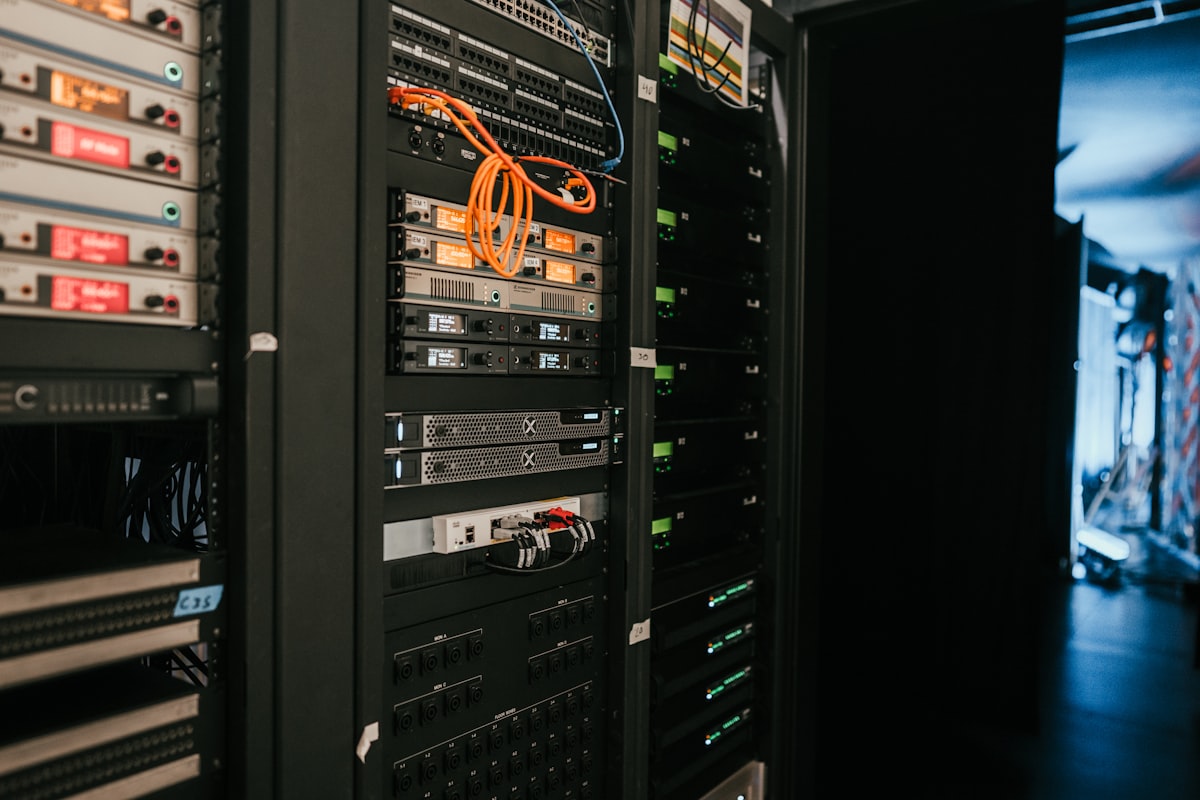
AI-Driven Telecom Energy Storage Opens New Revenue Streams
ZTE's AI-powered energy storage transforms telecom sites into profitable grid assets, enabling arbitrage and grid services while cutting costs.
AI-driven telecom energy storage is quietly turning the industry's most expensive liability into a profit center. The same batteries that sit idle waiting for a power cut can now be managed by intelligent algorithms that buy electricity when it's cheap, sell it back when prices spike, and pocket the difference. But that's not all. These algorithms don't just react to market shifts; they predict them, and they do it faster than any human trader ever could. So the idle hardware becomes a silent cash machine. It's a quiet revolution.
Telecom networks are enormous energy consumers. But here's the real kicker: the International Energy Agency estimates that telecom infrastructure burned through 260 to 360 TWh annually in 2022, roughly 1.5 percent of global electricity use at the time, with mobile networks responsible for two thirds of that figure. That appetite is only growing. As 5G densification continues, with MIMO antennas and smaller cells consuming more power than earlier equipment, it's a trend that can't be ignored, and we've seen no sign of it slowing down.
Meanwhile, traditional power generation is struggling to keep up. But the numbers are staggering. The IEA predicts datacenter energy consumption alone will double between 2025 and 2030 to 950 TWh, three percent of global electricity demand, and that's before you factor in the AI boom. AI datacenters will triple their consumption over the same period. It's a massive shift. The agency calls this the age of electricity, and it's not hard to see why, given that electricity demand is projected to grow 2.5 times faster than overall energy demand through 2030, a pace that strains every grid on the planet. So we've got a real problem here.
The irony? The tech sector already owns substantial energy assets. Edge installations and remote sites have always required backup generators and batteries, and increasingly those sites add photovoltaic arrays and wind turbines, particularly in areas beyond reliable grid coverage, so the hardware sits there, waiting. But these resources have historically remained static. They're idle, waiting for an emergency that ideally never comes.
Turning Dumb Batteries Into Smart Assets
That's changing. Full-stack energy storage systems combined with AI can transform idle infrastructure into revenue-generating assets. The key is integration. Conventional storage systems assemble components from multiple vendors with incompatible protocols, leading to what ZTE Digital Energy vice president Kong Peng calls "compounded energy losses, inefficient joint debugging and ambiguous accountability."
ZTE's approach is an integrated full-stack solution. Core hardware includes a 261 kWh dual liquid cooling cabinet BESS for edge datacenters and core sites, plus containerized battery systems that cascade into large-capacity storage from tens of megawatts to hundreds of megawatts. The system natively integrates battery cells, BMS, EMS and PCS, with liquid cooling thermal control and cluster-level management.
AI ties it together. The system ingests real-time data from generation and storage infrastructure, and it also pulls in external signals like weather forecasts and electricity prices, so it can see the whole picture at once. Algorithms track live pricing and compute optimal charge and discharge strategies to maximize trading revenue. That's the core of it. The complete system achieves over 90 percent overall efficiency, and it's capable of replacing diesel generators in some scenarios, which is a big deal for remote sites. But don't expect miracles everywhere. It works where the conditions align.
Operators, or rather the AI, can determine when it makes sense to pull energy from the grid, when to store it, and when to supply it back.
The Revenue Playbook
The money flows through several channels. But peak-valley arbitrage exploits electricity price differences between high and low demand periods, capturing value from the daily rhythm of the grid. Grid demand response programs pay operators for reducing consumption during strain, and that's a direct cash reward for flexibility. Frequency regulation subsidies reward fast-reacting storage.
There's no one-size-fits-all strategy. Southern Europe, Kong notes, is "abundant in photovoltaic resources, prioritizes integrated PV-storage base stations and scales up installations after verifying economic returns." Northern Europe "features volatile power prices and a mature frequency regulation market, where operators focus on revenue from energy storage auxiliary services."
Real Deployments, Real Numbers
Türkiye Telecom offers a concrete example. They built a 128MWp solar plant across 130 hectares at Sivas in central Anatolia, and it's a big deal. The facility uses N-type PV panels and 350kW inverters, which means it will generate 196GWh annually, covering 15 percent of the operator's energy consumption. That's 88,000 tons of carbon reduction. So the math is simple: clean power, real savings.
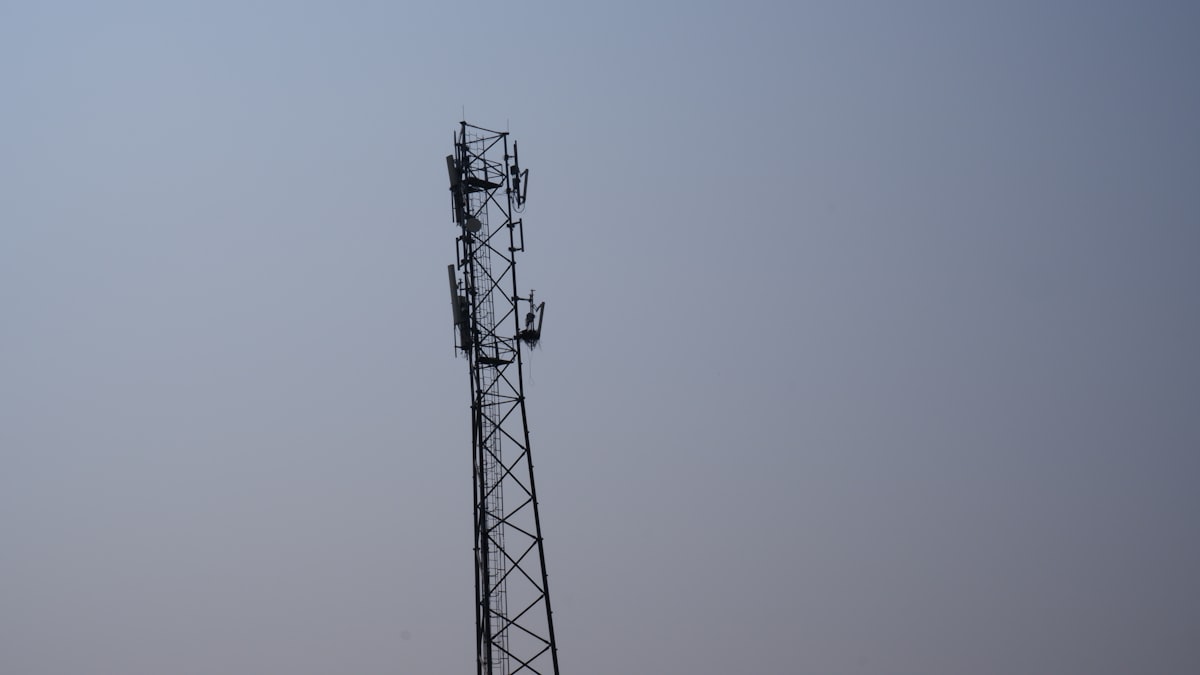
One Italian provider is building energy storage at base stations. It's chasing peak-valley arbitrage and demand-side response revenues, while also offering third-party storage for domestic and commercial customers, so the model spreads risk across multiple income streams. But other European partners are implementing similar systems in Austria, Romania and Finland. That's the broader push.
Datacenter operators stand to benefit too. They carry substantial storage infrastructure and increasingly pursue behind-the-meter renewable options, so their energy bills are a constant pressure point. But here's the twist: the same AI algorithms that fine-tune telecom sites directly influence their usage, shaping when and how power gets consumed across the facility. It's a direct link.
Beyond Telecom
The technology extends well beyond communications. But that's just the start. Industrial parks can connect the system to PV and wind equipment, with AI optimizing energy scheduling and balancing peak demand, so the whole grid breathes more efficiently. Commercial buildings store energy during off-peak hours and participate in grid demand response. Smart farms in remote areas gain stable power for agricultural equipment. Mining operations replace energy-intensive diesel generators with intelligent storage tailored to intermittent consumption patterns, and that's a shift we can't ignore. It's a quiet revolution.
For off-grid villages and islands, integrated PV-storage solutions enable independent clean microgrids, ending reliance on fossil fuel generation.
When It Doesn't Work
Not every site makes sense. Regions with flat electricity prices offer little arbitrage opportunity. Stable grids reduce backup power needs. Grid approval mechanisms, storage regulations and carbon trading policies all factor into viability. Operators must comply with EU regulations around grid stability, telecom infrastructure, renewable energy obligations, construction standards and fire safety.
The AI itself is both the problem and the solution. But here's the twist. The IEA notes that AI datacenters drive much of the surging electricity demand, yet proven applications of AI could help firms in energy-intensive industries reduce their energy costs by three to 10 percentage points, a gap that remains largely untapped. The agency adds that the energy sector isn't yet taking full advantage of AI's potential, and it's clear why. Insufficient digital skills and data availability are key adoption barriers. So the fix isn't simply more computing power. It's smarter, more targeted use of the tech we've already got.
The opportunity is substantial. Telecom operators possess "massive base station resources with untapped load regulation potential, delivering win-win outcomes for both power grids and telecom carriers," Kong says. Peak-valley arbitrage plus demand response and frequency regulation services can substantially cut electricity expenses. ZTE's one-stop service covers site survey, grid connection, construction, asset custody and carbon asset development.
Grid electricity isn't limitless. AI's own insatiable appetite for power is a big reason why, and when you stack that against aging infrastructure and the rise of renewables, AI-driven telecom energy storage starts looking less like a green checkbox and more like a serious operational weapon. Operators can do more than pat themselves on the back for sustainability. They're cutting power bills sharply. They're making services more resilient. And they're helping stabilize local and regional power ecosystems, turning that dormant infrastructure into what's fast becoming the industry's next real revenue stream. So the old grid can't carry the whole load anymore.
Frequently Asked Questions
What is the core function of AI-driven telecom energy storage according to the article?
AI-driven telecom energy storage uses intelligent algorithms to manage batteries, buying electricity when it's cheap, selling it back when prices spike, and pocketing the difference. These algorithms predict market shifts and compute optimal charge and discharge strategies to maximize trading revenue.
How does the article describe the energy consumption of telecom infrastructure?
The International Energy Agency estimates that telecom infrastructure burned through 260 to 360 TWh annually in 2022, roughly 1.5 percent of global electricity use, with mobile networks responsible for two thirds. This appetite is growing due to 5G densification, as MIMO antennas and smaller cells consume more power.
What are the different revenue streams mentioned for AI-driven telecom energy storage?
The revenue streams include peak-valley arbitrage, which exploits electricity price differences; grid demand response programs that pay for reducing consumption; frequency regulation subsidies for fast-reacting storage; asset leasing for long-term cash flow; and local PV absorption generating green energy certificates and CCER carbon trading credits.
Why might AI-driven telecom energy storage not work at every site?
Regions with flat electricity prices offer little arbitrage opportunity, and stable grids reduce backup power needs. Grid approval mechanisms, storage regulations, and carbon trading policies all factor into viability, and operators must comply with EU regulations around grid stability and safety.
Who is mentioned as a key figure in the article regarding integrated full-stack solutions, and what does he say?
Kong Peng, vice president of ZTE Digital Energy, is mentioned. He notes that conventional storage systems from multiple vendors lead to 'compounded energy losses, inefficient joint debugging and ambiguous accountability,' while ZTE's integrated full-stack solution avoids these issues.

Julian Sterling reports on enterprise IT, data infrastructure and the vendors that keep modern business running. He has a long-standing interest in how organisations modernise their systems without breaking what already works.
💬 Comments (0)
No comments yet. Be the first!