Meta's 2030 Net-Zero Goal Rethink: AI's Environmental Cost
Meta is re-evaluating its 2030 net-zero goal, citing record emissions from AI data centers. This move reflects the strategic tension between rapid AI infrastructure expansion and corporate sustainability commitments, setting a precedent in the Big Tech landscape.

Meta is reassessing its 2030 net-zero goal. It's a strategic shift. This was revealed in the company's latest sustainability report. And Meta reported a record percentage increase in greenhouse gas emissions, far exceeding any major technology competitor, even those intensely building new AI data centers. The company publicly admitted difficulties meeting environmental commitments. Rivals like Amazon, Google, and Microsoft have maintained their original sustainability targets. This signals a turning point for how the industry will tackle the rapidly growing demands of artificial intelligence infrastructure, highlighting the deep conflict between technological advancement and environmental stewardship within the hyperscale computing sector.
The Shifting Sands of AI Infrastructure
This isn't isolated. Environmental pressure mounts. The extraordinary and largely unanticipated acceleration in demand for AI infrastructure has fundamentally reshaped operating realities for companies at the forefront of this technological wave, forcing them to adapt quickly. AI demand surged. While the long-term ambitions for sustainability may well remain intact, just as Meta's leadership suggests, the practical pathways to actually achieving those goals are clearly under considerable strain, creating operational challenges. The entire industry grapples with energy needs. But this fundamental challenge, now acutely apparent, is forcing Meta to re-evaluate its established timelines and all its interim milestones, a difficult but necessary process.
Unprecedented growth forces pragmatism. The strategic calculation is straightforward: leading in AI development and deployment currently outweighs immediate adherence to pre-AI-boom environmental timelines, demanding a shift in priorities. But sustainability isn't abandoned. Its implementation is being recalibrated against an energy consumption curve that's proving far steeper than initial projections allowed. This acknowledges that foundational AI infrastructure, especially data centers, requires a more realistic and perhaps longer runway for decarbonization than previously thought.
Competitive Realignment and Environmental Reporting
Meta's public statement about re-evaluating its 2030 emissions goal positions it distinctly, setting a clear divergence from industry norms. This is a bold move. But while Amazon, Google, and Microsoft have acknowledged the challenges of balancing sustainability goals with the rapid expansion of hyperscale data centers, Meta has been the first to publicly state a timeline rethink. It's open to interpretation. This might be seen as an honest appraisal of an evolving situation, setting a precedent for others who may soon face similar pressures. Alternatively, it could highlight a differing level of preparedness or internal capability in managing the environmental impact of AI scaling compared to its peers. Transparency or struggle?
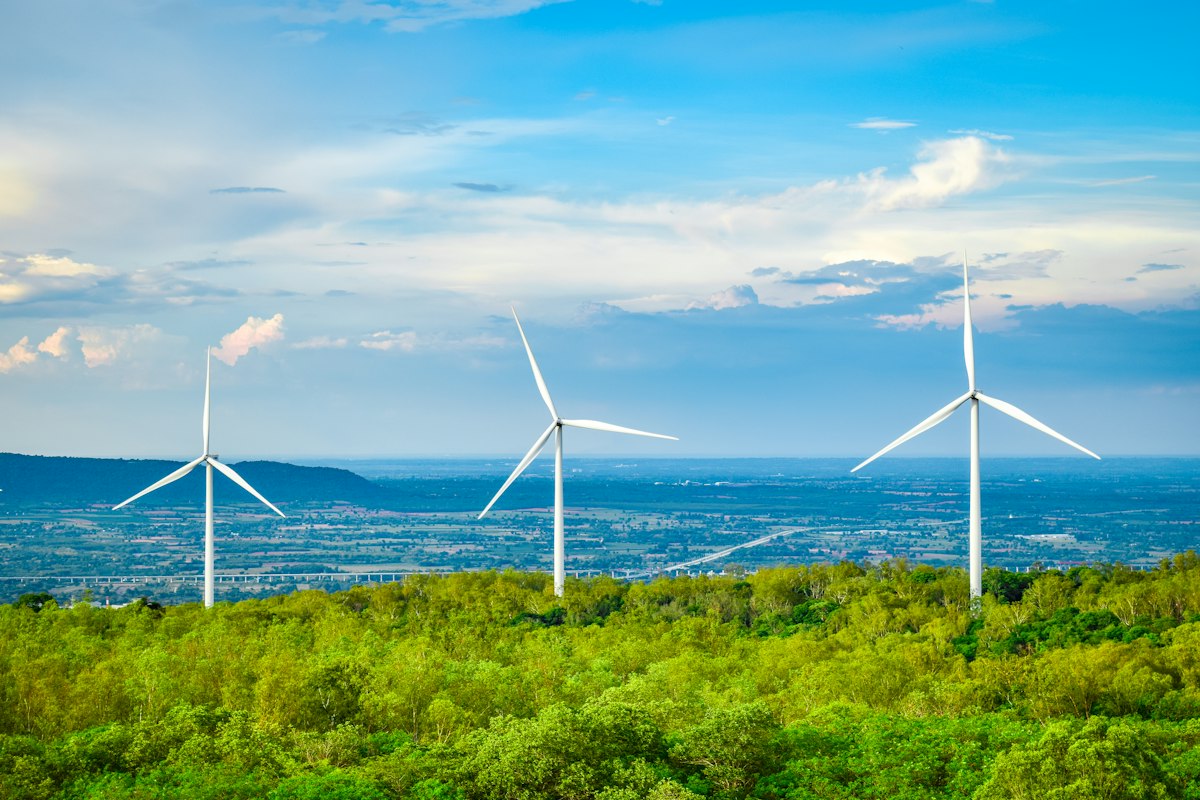
Meta's emissions soared.
Executive Insights on Evolving Priorities
A core dilemma exists. It's Meta's 2030 net-zero goal. The leadership perspective on this critical issue truly highlights the problem, as Rachel Peterson, vice president of data centers, and Blair Swedeen, global head of net zero and sustainability, articulated the company's stance in their November 19, 2026, report.
"Our long-term ambitions haven’t changed, but our operating environment has," Peterson and Swedeen stated in their introduction. They further explained, "demand for AI infrastructure has grown faster than almost anyone projected."
AI's scale was underestimated. Strategic decarbonization plans weren't built for this pace. They're re-evaluating everything, including the 2030 net zero emissions goal and interim targets, so their updated approach reflects current operating realities while diligently maintaining year-over-year progress transparency. It's a data-driven recalibration. But their timelines are shifting. This statement confirms a measured, data-driven approach to recalibration.
Broader Market Implications and Water Concerns
Meta's experience is telling. Looking at the wider sector, it suggests the entire industry faces immense pressure to innovate, not just in AI, but in sustainable infrastructure to support it. They invested in renewable energy projects. They also invested in carbon removal technology. But even with these efforts, Meta still saw its net emissions increase from more than 8.1 million metric tonnes to over 11.8 million metric tonnes in 2025, a 45 percent rise. Current mitigation strategies, while important, just can't keep pace with the sheer growth in energy demand.
Beyond carbon emissions, water consumption is emerging as another critical area of concern, closely tied to the energy intensity of data centers. While Meta reported a reduction in direct facility water consumption from 825 million gallons in 2024 to 790 million gallons in 2025, this positive trend is offset by other factors:
- Water consumption in "areas with water stress" increased from 198 million gallons in 2024 to 246 million gallons in 2025.
- Water consumption related to purchased electricity surged from 19 billion gallons in 2024 to more than 26 billion gallons in 2025.
Power plants use most water. Not cooling. Policy analysts and investors must grasp this key distinction because the industry's water footprint is often misunderstood. Meta's the sole hyperscaler reporting its indirect water use, and it sets an important precedent for industry transparency, especially as data centers adopt more closed-loop cooling systems that, while using less water directly, often demand more electricity. Transparency is vital.
The Forward Path for Sustainability in AI
Meta is re-evaluating its 2030 net-zero goal. It's no retreat. Rather, this is a strategic recalibration, necessitated by unforeseen industry dynamics. The company explicitly states its long-term ambitions remain unchanged, but the path to achieve them must now reflect current operating realities, particularly the surging demand for AI infrastructure. This implies a strategic commitment to continued progress, albeit on a revised timeline with new interim milestones. Focus will shift. They'll accelerate investment in renewable energy generation and pioneering carbon removal technologies, alongside a renewed emphasis on energy efficiency across its expanding data center fleet, all while maintaining transparency year over year. But industry watchers will recognize this as a critical inflection point, where the true environmental cost of the AI revolution begins to be quantified and strategically addressed.
Frequently Asked Questions
Why is Meta reassessing its 2030 net-zero goal?
Meta is reassessing its 2030 net-zero goal due to a strategic shift driven by the unforeseen acceleration in demand for AI infrastructure. The extraordinary growth in AI demand has fundamentally reshaped operating realities, forcing the company to adapt its timelines and interim milestones.
How did Meta's greenhouse gas emissions change between 2024 and 2025?
Meta's total emissions climbed dramatically from 15.6 million metric tonnes of carbon dioxide equivalent in 2024 to more than 21.7 million metric tonnes in 2025. This represents nearly a 40 percent increase in its carbon footprint, marking the highest percentage year-over-year increase reported by any of the four major US tech giants.
What is the primary reason attributed to Meta's recent surge in emissions?
The recent surge in Meta's emissions is largely attributed to "capital goods," such as data center servers. This highlights the direct link between the company's infrastructure buildout for AI and its environmental impact.
How does Meta's approach to its net-zero goal compare to competitors like Amazon, Google, and Microsoft?
While Amazon, Google, and Microsoft have maintained their original sustainability targets despite challenges, Meta has been the first to publicly state a timeline rethink for its 2030 emissions goal. This positions Meta distinctly from industry norms, signaling a potential precedent for other companies facing similar pressures.
What is Meta's stated perspective on its long-term sustainability ambitions despite the timeline recalibration?
Meta explicitly states that its long-term ambitions for sustainability have not changed, but the practical pathways to achieving them are under strain due to the rapid growth of AI infrastructure. The company is recalibrating its approach and timelines to reflect current operating realities while diligently maintaining year-over-year progress transparency.

Aris Thorne writes about machine learning, neural networks and the ethics of automated decision-making. He is drawn to the harder questions of how AI is built, who it serves and how it should be governed.
💬 Comments (0)
No comments yet. Be the first!