Why Rocket Lab Bought Iridium
Analyzing Rocket Lab and its $8 billion acquisition of Iridium as it aims to become a self-launching space superpower.
Rocket Lab is shifting its core business model. It's buying Iridium Communications for about eight billion dollars, blending hardware manufacturing with operational network services to combine a launch provider with an established orbital constellation. So this marks a push toward vertical integration within the space sector.
A Strategic Move Into Space Applications
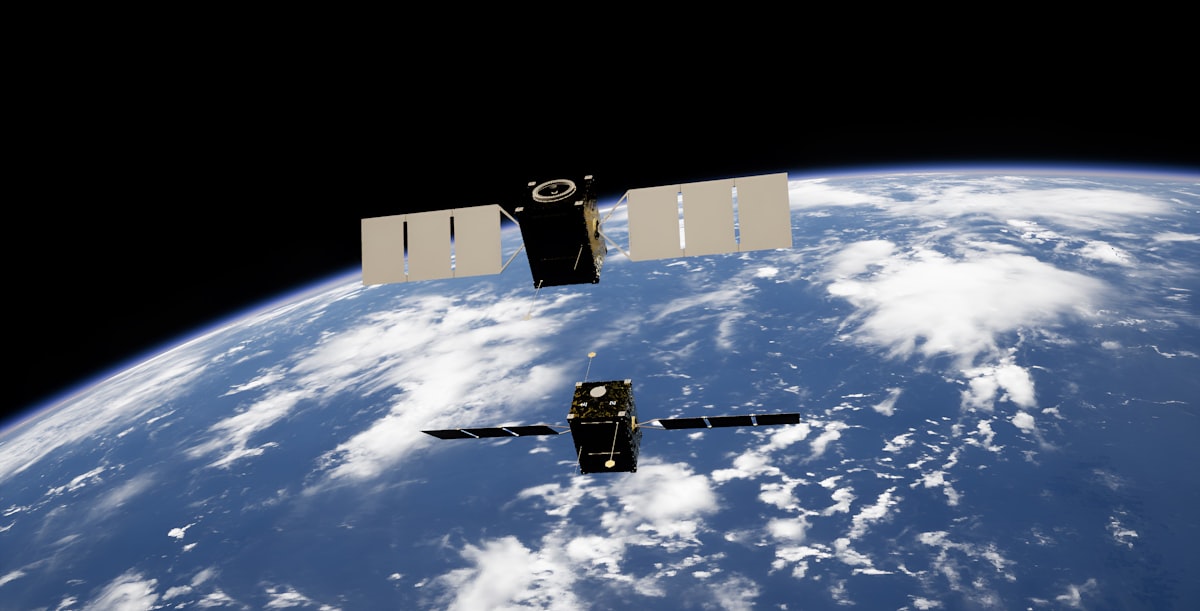
The acquisition lets the firm move beyond simple launch services. But by acquiring a network of eighty satellites in low-Earth orbit, the company gains a foothold in telecommunications, a transition that moves the entity into the space applications market where the majority of industry revenue currently resides. It's a big shift.
The logic is simple: combine infrastructure with reach. One part of the organization handles the assembly of spacecraft at scale, while the other brings an operational network and access to valuable L-band spectrum to ensure everything works together. It's a powerful combination. So Peter Beck, who leads the organization, described the vision for the future.
We believe this will be one of the most game-changing deals in the space industry. It is the ultimate combination for growth. One plus one equals three. We have unfettered access to space and the ability to build spacecraft at scale. We also do missions for people that matter. Then you think of Iridium, they have an already operational constellation; spectrum, and not just any spectrum but extremely valuable spectrum; millions of customers and they are a profitable business. The result of these two things is a fully integrated, self-launching space superpower.
The Competitive Stance
It's scaling operations to compete with entities that have both launch capabilities and large satellite constellations. It can't afford to stop. But previous acquisitions of Geost and Mynaric provided only pieces of the manufacturing puzzle, helping refine spacecraft-building skills through those smaller deals.
The Iridium deal represents a much larger scale of ambition. The firm now holds a position in the following areas:
- Telecommunications services for 2.55 million global customers.
- Commercial position, navigation, and timing services.
- Infrastructure for IoT, aviation, and maritime sectors.
- National security support capabilities.
Challenges in the Roadmap
Becoming a self-launching superpower requires a specific vehicle. It's a tough problem. The current workhorse rocket, Electron, lacks the capacity for the company's future communications goals, so the medium-lift Neutron rocket serves as the intended solution for these tasks. But development has faced technical hurdles, including engine failures and structural test anomalies.
Plans targeted a 2024 debut. It's been delayed. Testing issues now make current timelines fluid, and the company faces the possibility of a 2027 debut for the vehicle. Any delay impacts the timeline for scaling new services.
Executive Perspective on Innovation
Efficiency is a core requirement for success. But Matt Desch, the chief executive of the acquired entity, stressed that speed is just as necessary because bringing innovations to orbit quickly determines who wins in this market. It's that simple.
Success will come from those who can bring new innovations to space quickly and sustain them over time as efficiently as possible. We are excited about being able to accelerate the next generation of IoT, aviation, maritime, PNT, and national security capabilities, and pursue new applications as part of Rocket Lab.
The Wider Market View
This move fits a broader pattern in hardware and gadgets. Companies seek to control the entire stack. By owning the satellites and the delivery mechanism, the entity reduces reliance on outside parties, and it secures a place in the market by holding key spectrum assets. It's a power play.
The company's history explains its current value. But it almost didn't survive. Founded in 1998, it faced bankruptcy early on, so the government intervened to save the network before that collapse could happen, and later a pivot to a new generation of satellites launched with external partners turned the business profitable. Today, we see those satellites generating the bulk of its revenue.
Future growth depends on integrating these assets. The company plans to unlock more value from the existing constellation, and it also intends to build new constellations to expand its service reach. So it's aiming for a Neutron rocket launch during the fourth quarter of this year (2026). That's the goal.
Frequently Asked Questions
What is the primary reason Rocket Lab acquired Iridium Communications?
Rocket Lab acquired Iridium Communications to blend hardware manufacturing with operational network services, combining a launch provider with an established orbital constellation. This allows Rocket Lab to move beyond simple launch services and gain a foothold in the space applications market, where the majority of industry revenue currently resides.
How does the acquisition help Rocket Lab compete in the space industry?
The acquisition helps Rocket Lab scale operations to compete with entities that have both launch capabilities and large satellite constellations. By owning the satellites and delivery mechanism, Rocket Lab reduces reliance on outside parties and secures a place in the market by holding key spectrum assets.
When is Rocket Lab planning to launch its Neutron rocket according to the article?
Rocket Lab is aiming for a Neutron rocket launch during the fourth quarter of 2026. However, development has faced technical hurdles, including engine failures and structural test anomalies, and current timelines are fluid with a possibility of a 2027 debut.
Who is the chief executive of the acquired entity and what did he emphasize about success in the market?
Matt Desch is the chief executive of the acquired entity, Iridium Communications. He stressed that speed is necessary because bringing innovations to orbit quickly determines who wins in this market, and that success comes from those who can bring new innovations to space quickly and sustain them efficiently.
How did the article describe Rocket Lab's path to becoming a 'self-launching space superpower'?
The article describes the path as requiring a specific vehicle, the medium-lift Neutron rocket, to handle communications goals, but development has faced delays. It also notes that previous acquisitions of Geost and Mynaric provided pieces of the manufacturing puzzle, refining spacecraft-building skills before the larger Iridium deal.

Liam Fitzgerald reports on gadgets, apps and the companies behind them. He tests new products and cuts through the marketing to tell readers what is genuinely worth their attention.
💬 Comments (0)
No comments yet. Be the first!