China cinemas turn to AI, karaoke as box office slumps
China's cinemas are encouraged to add AI concierge agents, karaoke booths, and coffee shops to their lobbies amid a significant box office decline.
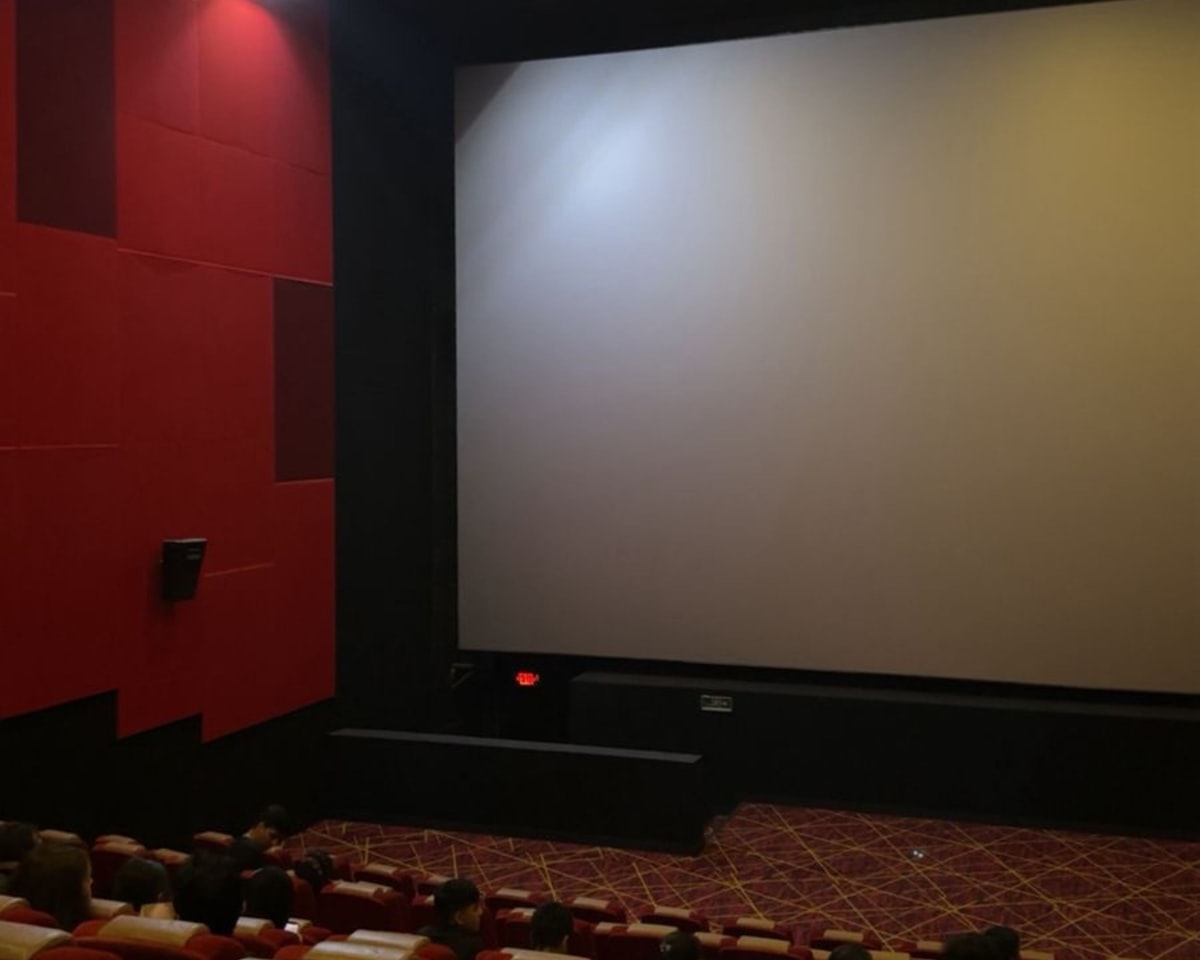
China cinemas are looking beyond the silver screen. But they're not just showing movies anymore. New directives from the National Film Administration and the State Administration for Market Regulation are pushing theaters to diversify their revenue streams, incorporating elements like AI concierge agents, karaoke booths, and coffee shops into their operations. It's a strategic shift. This move aims to transform lobbies and underutilized screening rooms into vibrant retail and cultural hubs, so theaters can move away from a sole reliance on ticket sales.
Box Office Blues Drive New Cinema Strategy
The urgency behind these new guidelines is clear. China's box office took a sharp downturn in the first half of 2026, falling 40.6% year on year to approximately $2.56 billion. It's the weakest first half since 2014, excluding pandemic years. This sharp decline contrasts starkly with 2025, a banner year where the country’s 93,187 cinemas, more than any other market globally, generated about $7.45 billion, a nearly 22% increase from the previous year. Audiences flocked to theaters then. But in 2026, factors such as a thinner release slate and increased competition from short videos and AI-generated micro-dramas have led to a noticeable drop in attendance, so they're staying home instead.
AI and Entertainment Ventures
The introduction of AI concierge agents signals a real shift for China cinemas AI integration. It's a big change. They're integrating modern technology into the experience to assist patrons, provide information, and potentially improve overall customer service, but the push doesn't stop there, encouraging movie-themed merchandise stores, licensed products, art exhibitions, and pop-up shops. The goal is simple. Create an engaging environment that offers visitors multiple reasons to visit and spend time within the complex, even when there isn't a must-see film on the schedule. So they're trying to become more all-encompassing lifestyle destinations, and that mirrors a wider industry trend we've seen across entertainment venues.
"Film-Plus" Ambitions Take Center Stage
This initiative isn't entirely novel. It's really a formalization of ambitions that were already in place, with Luo Yang, deputy head of the China Film Administration, previously outlining a "film-plus" strategy designed to integrate cinema with tourism, dining, technology, gaming, and merchandise. But that vision came from a Xinhua report. It highlighted the economic multiplier effect of the film industry, estimating that for every yuan spent at the Chinese box office, an additional 15.77 yuan is generated in related industries, a figure that ranks among the highest globally. So regulators are now looking to replicate successful ventures, such as Nezha-branded coffee drinks selling five million cups in three days, across all cinema operations. Not just the blockbusters.

Each yuan spent at the Chinese box office is estimated to generate 15.77 yuan of output in related industries. It's a staggering number. This figure stands among the highest such multipliers globally, and it shows just how much economic energy flows from a single movie ticket through sectors like tourism, merchandise, and streaming.
Beijing has previously backed the industry with direct incentives. It's a different story now. A "Film Consumption Year" initiative, reportedly worth around $130 million, offered ticketing deals and discounts to boost attendance, yet the latest guidelines on karaoke and coffee take an entirely new approach. Instead of incentivizing movie watching directly, they aim to provide alternative attractions that draw people into cinemas. But there's a catch. The practical implementation of these guidelines presents challenges for many cinema operators, as converting screening rooms for retail or training staff for new services requires capital investment, and many operators can't afford that amid the sharp decline in ticket sales.
The Financial Strain on Theaters
The new directives come without any disclosed enforcement mechanisms or direct financial support, placing the onus of adoption squarely on cinema chains already facing significant revenue shortfalls. It's a tough spot. This policy targets a lack of funds, the very problem many operators grapple with every day. Smaller, independent cinemas will bear this burden's brunt. But a national chain might have the resources to experiment with a merchandise counter in a flagship location and assess its viability, while a single-screen operator in a smaller city, operating on thin margins with fewer new releases, has considerably less room for financial gambles on ventures like a karaoke booth that might not gain traction. They can't afford it.
A Cinema Industry at a Crossroads
The broader context for these changes is an industry attempting to balance two competing realities. It's a tough spot. On one hand, there is a desire to be recognized as a major cultural and economic engine, with industry output reaching 817.26 billion yuan in 2025. But on the other, there is an implicit acknowledgment that ticket sales alone can no longer sustain the industry. China's AI sector has rapidly closed technological gaps. Its AI video generation units are actively seeking growth beyond their initial scope, and cinema operators appear to be adopting a similar logic: if audiences are not coming solely for the screen, provide them with supplementary attractions like AI concierges, singing, and refreshments.
But these diversifications don't address a more fundamental issue. The content being shown is the real problem. A reduced blockbuster slate, combined with what industry reporting suggests is a narrower window for Hollywood releases in China, appears to be a bigger factor in declining attendance than any perceived lack of amenities. Karaoke booths and AI concierges might help theaters remain financially viable between major releases, but they function more as a hedge against a weak film slate rather than a substitute for one. So the challenge remains to ensure compelling films are available. That's ultimately what draws audiences to cinemas. China cinemas AI integration is one piece of a larger puzzle.
- New guidelines encourage cinemas to add AI concierge agents, karaoke booths, and coffee shops.
- The move comes as China's box office fell 40.6% year on year in the first half of 2026.
- In 2025, the country's 93,187 cinemas generated roughly $7.45bn.
- Reasons for the 2026 downturn include a thinner release slate and competition from short video and AI-generated micro-dramas.
- The "film-plus" push aims to integrate cinema with tourism, dining, technology, gaming, and merchandise.
Frequently Asked Questions
What new features are Chinese cinemas adding to boost revenue according to the article?
Chinese cinemas are adding AI concierge agents, karaoke booths, and coffee shops to diversify their revenue streams. These additions aim to transform lobbies and screening rooms into retail and cultural hubs, reducing reliance on ticket sales.
Why are Chinese cinemas implementing these changes now?
The urgency stems from a sharp 40.6% year-on-year drop in China's box office in the first half of 2026, the weakest since 2014 excluding pandemic years. Factors include a thinner release slate and competition from short videos and AI-generated micro-dramas.
How does the 'film-plus' strategy aim to integrate cinema with other industries?
The 'film-plus' strategy, outlined by Luo Yang, aims to integrate cinema with tourism, dining, technology, gaming, and merchandise. It is based on an economic multiplier effect where each yuan spent at the box office generates an additional 15.77 yuan in related industries.
What challenges do cinema operators face in adopting the new guidelines?
Converting screening rooms for retail and training staff requires capital investment, which many operators cannot afford amid declining ticket sales. Smaller, independent cinemas are especially burdened as they have less room for financial gambles on new ventures.
According to the article, what is a more fundamental issue than lack of amenities?
The article states that a reduced blockbuster slate and narrower window for Hollywood releases are bigger factors in declining attendance than amenities. Karaoke booths and AI concierges can help theaters between major releases but are a hedge, not a substitute for compelling films.

Markus Heill writes about technology and the tools we use every day, from smartphones to the services that run in the background. He is interested in how good design makes technology easier to live with.
💬 Comments (0)
No comments yet. Be the first!