The End of PlayStation discs: What It Means
Sony is killing physical PlayStation discs by 2028. Here is what this major shift means for your game collection.

PlayStation discs are officially entering their final years. The countdown to a digital-only future has begun, and Sony announced it will stop manufacturing physical discs for its consoles starting in January 2028, so after that date every new game will land on the PlayStation Store and at retailers exclusively in digital formats. This isn't a slow, optional transition. It's a hard deadline that changes how you buy, play, and keep your games.
Does this matter? It does. Sony is the only entity that manufactures these physical copies through its subsidiary, Sony Digital Audio Disc Corporation, and no other companies make them. So when Sony pulls the plug on the physical production line, the option to buy a new game on a physical disc simply vanishes from the earth. The era of the plastic case on your shelf is ending.
The Deadlines You Need to Know
The timeline for this massive shift is already locked in, and the runway is shorter than you might think. Here is the deal on the key dates and numbers that define this transition:
- January 2028: Sony will officially stop producing physical discs for PlayStation games, moving all new releases to digital-only formats.
- July 2027: The PlayStation Store will shut down entirely for the PlayStation 3 and PS Vita in the United States.
- 78 Percent: The share of full-game unit purchases made via digital download during the fiscal year ending March 31, 2026.
- 76 Percent: The digital download share recorded back in fiscal year 2024, showing a steady rise in consumer preference.
Let's break this down. Sony defends the move by calling it a natural direction to adapt to consumer trends, and according to their data, the preference for digital media is significantly outpacing physical media. So digital downloads offer instant gratification. But they also strip away traditional buyer rights.
The Ownership Trap
Real talk: you don't own your digital games. When you buy a game from the PlayStation Store, you aren't purchasing a product but instead buying a personal, non-transferable license to use that title for private, non-commercial use. Your access can vanish. But if Sony decides to pull a game or a service goes under, that purchase disappears from your library without a trace.
We've seen this licensing model play out before. In 2013, Valve yanked copies of Order of War: Challenger from customer libraries after its servers shut down, leaving buyers with absolutely nothing. But the pattern didn't stop there. Sony deleted digital libraries belonging to Funimation customers in 2024, even though the company had previously claimed that access would last forever. So in September, users in the United Kingdom will lose access to purchased StudioCanal films and shows, following similar digital purges in Germany and Australia. The precedent is set. It favors the corporations, not the players.
The Storefront Shutdowns
Sony made matters more urgent by pairing the disc announcement with news that it's shutting down the digital storefronts for older systems. The US loses access to the PlayStation 3 and PS Vita stores in July 2027. That's a problem. While the active user base for these older consoles is shrinking, the shutdown exposes a massive vulnerability in the digital-only ecosystem, and Sony hasn't committed to making previously purchased PS3 and Vita games downloadable for a customer's lifetime. Instead, they stated that players can download their past purchases for the foreseeable future. That's a vague timeline. It offers zero long-term security.
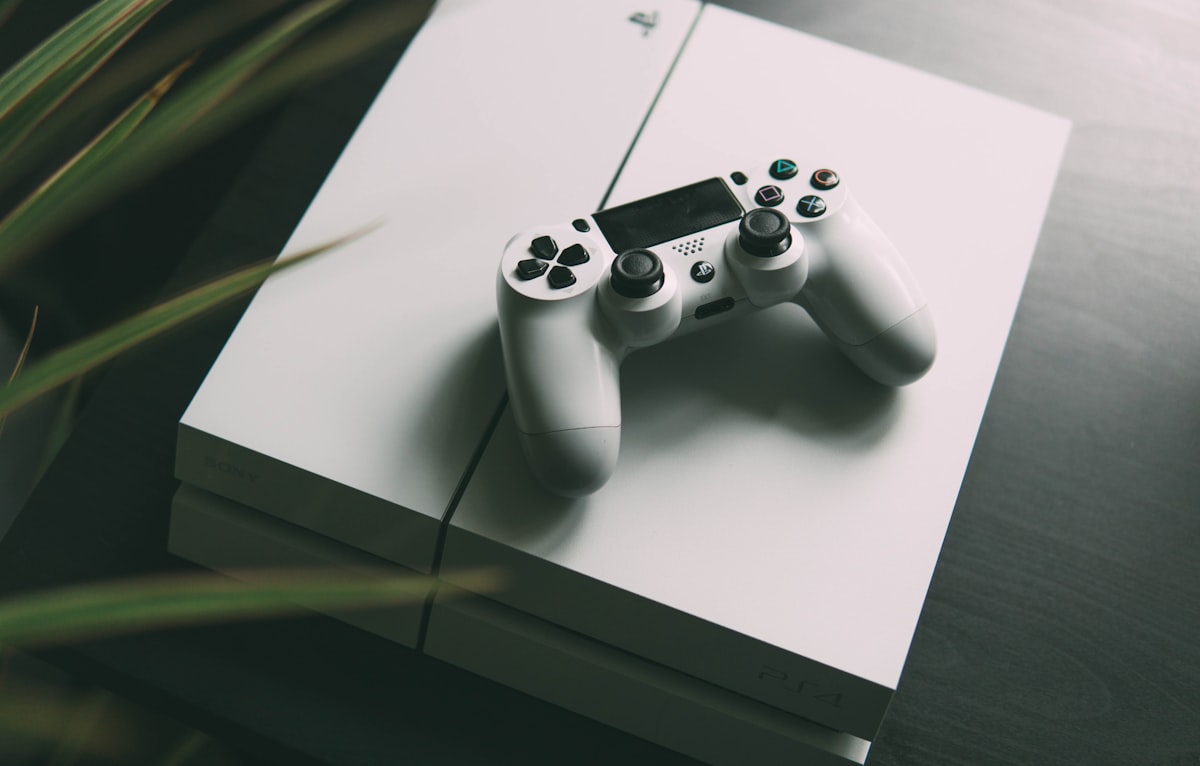
"To ease the transition, players will still be able to download previously purchased content after the closing date for the foreseeable future," Sony said in a blog post regarding the storefront closures.
But that guarantee feels thin to gamers who have watched other companies shutter their digital history. Classic games simply disappear without physical media. When storefronts for the Nintendo 3DS and Wii U closed in 2023, the availability of classic games plummeted, and the number of Game Boy games released during the system's lifetime that remained available for purchase dropped from 155 down to just 25. So we've lost those titles.
What the Community Thinks
Players are furious. Comment sections on Sony's official posts are filled with users who feel betrayed by the dual announcements, and they're not holding back in expressing their anger. But players are realizing that the systems they buy today might become useless boxes tomorrow if digital storefronts disappear.
"More and more proof that you’re just buying a license that can be taken away whenever companies feel like it," commented a user named Radgatt on the announcement.
Mosquito53 pointed out the grim outlook for future hardware generations. We will own nothing. They expressed concern that games released only digitally will eventually be lost to time, especially as we look toward a future PS6 that will likely have no disc drive at all. But their sentiment is simple.
What This Means for Your Next Upgrade
So what does this mean for your next upgrade? It's simple. Those older discs will become legacy items if you plan to hold onto your physical library, and the secondary market for used games will slowly starve as no new discs enter the ecosystem after the 2028 cutoff. But if you buy a console with a disc drive now, its utility has a clear expiration date for new releases.
Sony wants to prioritize resources to drive innovation and offer choices on where players buy digital games, whether at retail or directly on the PlayStation Store. But a digital retail code is still just a license. It's a trade-off. You are trading your ownership rights for the convenience of not having to swap a disc, and it doesn't carry the permanence of physical plastic at all.
The transition is coming. But if you value physical media, you have until January 2028 to buy physical PlayStation games before the disc drive becomes a relic of the past , the clock is ticking, and it's running out fast.
Frequently Asked Questions
When will Sony stop manufacturing physical PlayStation discs?
Sony announced it will stop manufacturing physical discs for its consoles starting in January 2028. After that date, every new game will be released exclusively in digital formats on the PlayStation Store and at retailers.
Why does Sony claim to be ending physical disc production?
Sony defends the move by calling it a natural direction to adapt to consumer trends. Their data shows that digital downloads accounted for 78 percent of full-game unit purchases in fiscal year ending March 2026, indicating a steady rise in consumer preference for digital media.
What happens to your ownership rights when you buy a digital game from the PlayStation Store?
When you buy a game from the PlayStation Store, you are purchasing a personal, non-transferable license to use that title, not the product itself. This means your access can vanish if Sony decides to pull a game or a service goes under, as seen with previous digital purges like the deletion of Funimation customers' libraries in 2024.
How does the PlayStation Store shutdown for older systems affect game preservation?
Sony is shutting down the PlayStation Store for PS3 and PS Vita in the US in July 2027, and has only committed to allowing downloads of past purchases for the foreseeable future, a vague timeline. This raises concerns because classic games can disappear without physical media, as happened with Nintendo 3DS and Wii U store closures where Game Boy game availability dropped from 155 to just 25.
What practical advice does the article offer for players who value physical media?
The article advises that if you value physical media, you have until January 2028 to buy physical PlayStation games before the disc drive becomes obsolete. Older discs will become legacy items, and the secondary market for used games will slowly starve as no new discs enter the ecosystem after the 2028 cutoff.

Liam Fitzgerald reports on gadgets, apps and the companies behind them. He tests new products and cuts through the marketing to tell readers what is genuinely worth their attention.
💬 Comments (0)
No comments yet. Be the first!