Trump Administration Imposes OpenAI restrictions
The US government has requested OpenAI restrictions to vet GPT 5.6 users before the AI model's official launch.

OpenAI restrictions have officially arrived. The federal government is stepping directly into the development cycle of next generation artificial intelligence, and the Trump administration has asked OpenAI to limit the release of its upcoming model. This marks a major shift. It changes how Washington deals with domestic tech companies. Specifically, the administration wants to vet the first users of the upcoming GPT 5.6 model before a wider public launch is permitted. But this intervention represents the first time a United States firm has been told to restrict an artificial intelligence model prior to its official release.
The decision introduces a brand new layer of oversight to the tech sector. It's a big shift. Under the new arrangement, OpenAI has stated that each of the initial partners allowed to access the model will be government-approved, and while the company prepares for these new hurdles, its peer Anthropic is also still feuding with Washington over similar oversight issues. So the pressure highlights a growing friction between rapidly advancing software capabilities and national security protocols.
The mechanics of pre-release vetting
The process of rolling out a major software update typically rests entirely in the hands of the developers. But there is a catch. With the government stepping in, the traditional release pipeline is being replaced by a strict screening process. Government officials will review and approve the initial users, effectively creating a state-sanctioned gatekeeping system for early adopters of GPT 5.6.
This is where it gets interesting. But it's not your standard beta test. Instead of the usual process where developers choose trusted partners or high-volume enterprise clients, OpenAI must coordinate directly with federal regulators. The restrictions apply specifically to the pre-release phase. They limit initial exposure to a tightly controlled group. So this setup suggests that Washington is no longer content to sit back and react to new technologies after they've already hit the public market.
A precedent for the software industry
For decades, U.S. software development ran on permissionless innovation. Companies built products, deployed them, and patched errors as they arose,simple, fast, and free. But the new government intervention completely upends this model, establishing a system where code must be cleared before it can be shared with external partners. It's a big change.
The ripple effect on OpenAI planning
These regulatory hurdles are hitting the company at a highly sensitive time, and OpenAI is now expected to delay its initial public offering until next year. It's a scary moment. The decision to push back the IPO comes as the company is spooked by choppy global markets and a recent slump at SpaceX, making a massive public debut highly risky in the current economic climate.
How global hardware costs compound software delays
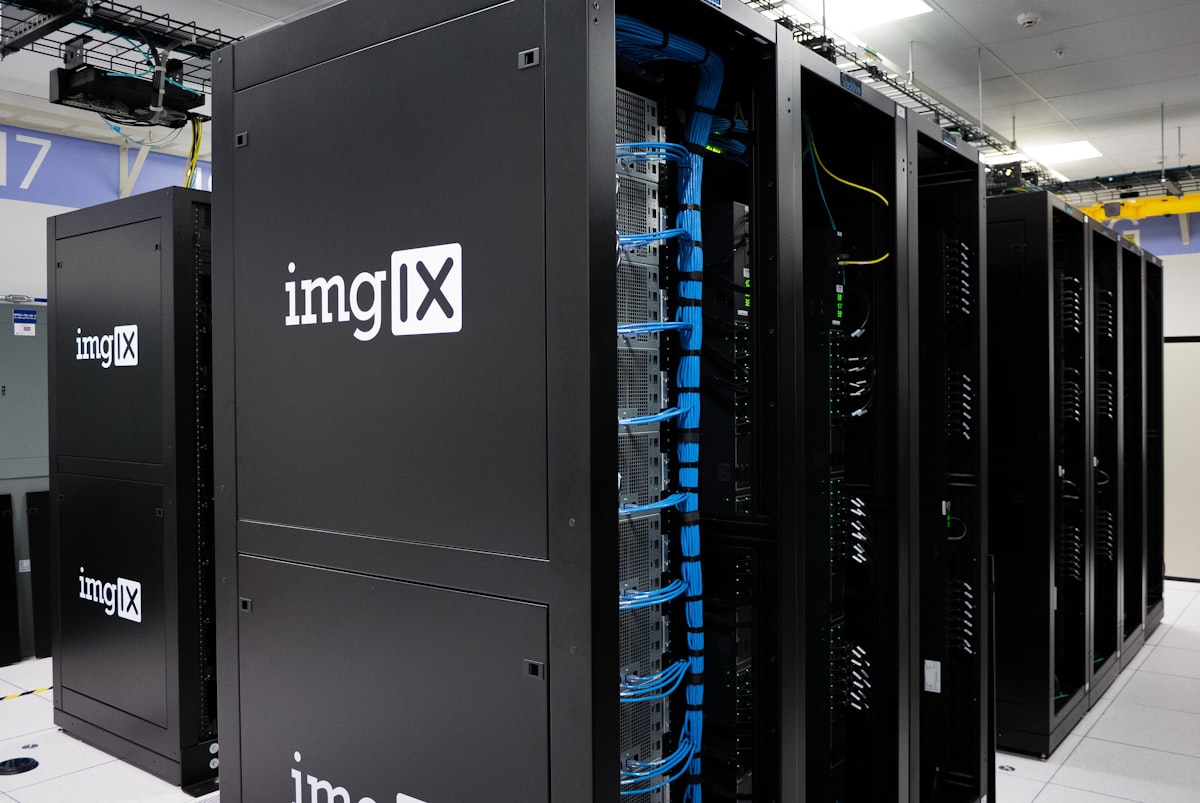
Software restrictions aren't the only headache for tech. Hardware constraints continue to drive up costs, and increased demand for data centers has pushed up memory and storage prices across the globe, leading to a supply crunch that has been dubbed RAMaggedon.
The financial consequences of these hardware shortages are already trickling down to everyday consumers. Prices are going up. A number of major technology companies have started raising retail prices to offset these rising chip costs, and this shift means that consumers should expect to pay more for everything from laptops to smartphones for the foreseeable future. So the impact is widespread.
- Apple and Xbox have both hiked prices, blaming the rising costs of AI-driven chips.
- Apple shares plummeted immediately following the announcement of these price hikes.
Let's break this down. The physical infrastructure required to train and run massive software models is consuming an immense amount of resources, and this demand is not just driving up consumer prices but it is also landing technology companies in court. But data centers have moved to the forefront of environmental lawsuits. That's a major problem. Active litigation now links directly to energy sources, water consumption, and air pollution.
The geopolitical reality of American tech dominance
This concentration of technological power has created a stark division between the United States and the rest of the world. It’s a unique position. Because the most advanced systems are designed and hosted within American borders, the local government holds ultimate authority over who gets to use them. So the decision to impose these limitations highlights that authority.
The most advanced AI is built by a handful of American companies, on American soil, under American law, and what the rest of us are permitted to do with it can change on a Friday afternoon.
Nathan Benaich, AI investor at London-based venture firm Air Street Capital
Nathan Benaich's quote captures a sudden vulnerability. But a single policy shift in Washington can instantly cut off access to vital software tools, leaving global businesses and foreign governments with zero recourse and no way to fight back. So international organizations are now re-evaluating their reliance on American software ecosystems.
Pressure on alternative models
OpenAI can't move past federal roadblocks. But other players are finding themselves in similar crosshairs, with Anthropic locked in its own ongoing feud with Washington officials that shows the administration's scrutiny is a broad policy push aimed at the entire frontier of software development, not just one firm.
Market instability and the path forward
The combination of federal pressure, hardware shortages, and general market volatility is forcing tech giants to move with extreme caution. Plans are changing rapidly. The era of releasing highly capable systems to the public without government oversight appears to be drawing to a close, replaced by a new reality of slow, vetted, and heavily monitored rollouts.
Frequently Asked Questions
What specific restriction did the Trump administration impose on OpenAI?
The Trump administration asked OpenAI to limit the release of its upcoming model, GPT 5.6, by vetting the first users before a wider public launch. This means the initial partners allowed to access the model must be government-approved.
Why is this intervention considered a major shift in U.S. tech policy?
It marks the first time a United States firm has been told to restrict an artificial intelligence model prior to its official release. This upends the traditional model of permissionless innovation, where companies built products and deployed them without pre-release government oversight.
How does the pre-release vetting process for GPT 5.6 work?
Government officials will review and approve the initial users, creating a state-sanctioned gatekeeping system for early adopters. Instead of developers choosing partners, OpenAI must coordinate directly with federal regulators to limit initial exposure to a tightly controlled group.
When is OpenAI now expected to hold its initial public offering, and why?
OpenAI is now expected to delay its initial public offering until next year. The decision was made because the company is spooked by choppy global markets and a recent slump at SpaceX, making a massive public debut highly risky in the current economic climate.
Who is affected by the new OpenAI restrictions beyond the company itself?
International organizations are affected as they re-evaluate their reliance on American software ecosystems, since a single policy shift in Washington can cut off access to vital tools. Additionally, other AI firms like Anthropic are also under similar scrutiny, showing the administration's broad policy push.

Liam Fitzgerald reports on gadgets, apps and the companies behind them. He tests new products and cuts through the marketing to tell readers what is genuinely worth their attention.
💬 Comments (0)
No comments yet. Be the first!