Water Utility Cyberattacks Hit Seven States
A wave of water utility cyberattacks across seven states has disabled digital controls and triggered boil-water notices.
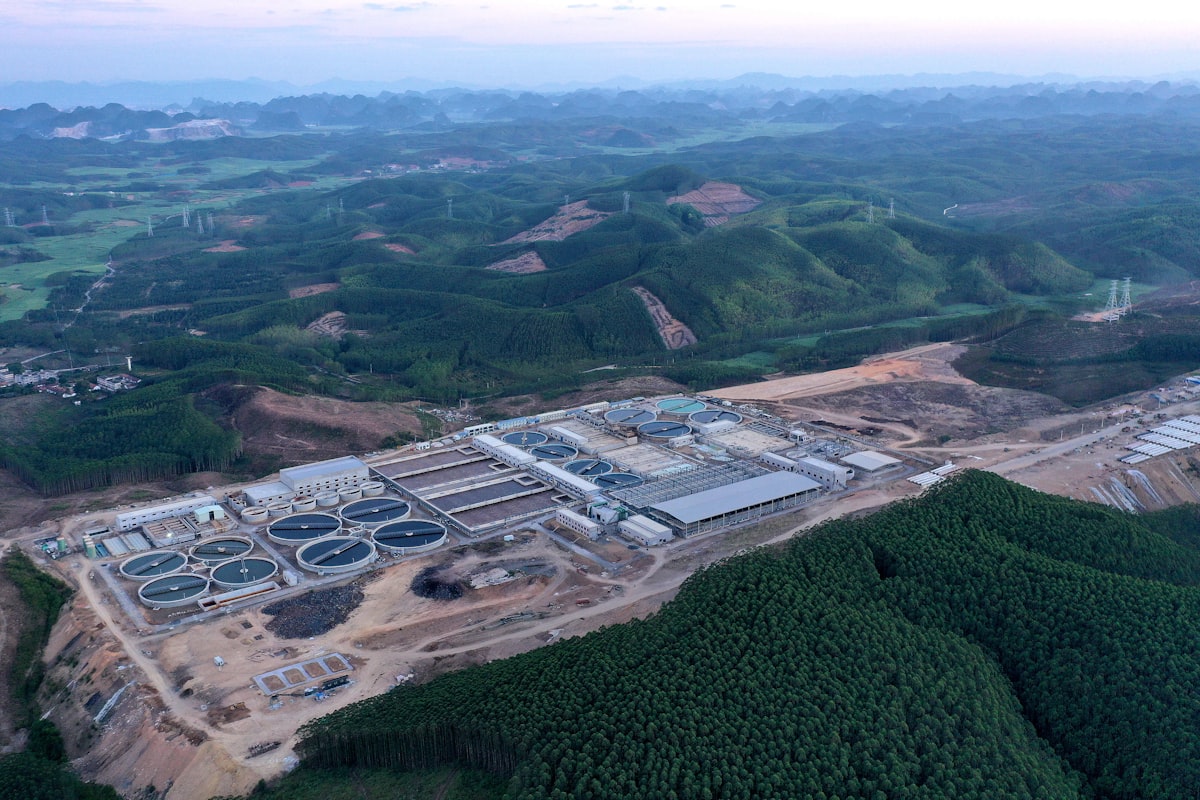
Water utility cyberattacks have now expanded across seven states. That signals a critical escalation in how vulnerable our physical infrastructure really is to digital disruption, and it forces a hard look at the systems we trust to keep our taps flowing. It started as a localized threat targeting facilities in Minnesota, but federal investigators have now identified it as a multi-state campaign, a shift that demands a reassessment of how decentralized public services defend their digital perimeters, especially when those services are so vital to daily life. The targeting of water and wastewater systems exposes a systemic weakness in how operational technology is separated from public-facing networks. This is no longer an isolated hazard. It's a systemic risk pattern for security leaders and policy makers, and they can't afford to treat it as anything less. So the old playbook won't work. We've moved past the point of calling this a fluke.
The Expansion of Industrial Control Vulnerabilities
The campaign's geographic spread points to a coordinated effort against the digital systems that manage physical municipal infrastructure. Federal investigators have confirmed that the intrusions reached far beyond the initial boundaries of Minnesota, affecting utilities in at least seven states. They're targeting programmable logic controllers, the physical hardware units that manage valves, pumps, and chemical levels. This is a wider trend. It's hitting less-protected municipal targets to maximize geopolitical influence. Strip away the complexity and the calculation is straightforward: small utilities lack the capital and specialized personnel to defend against state-aligned adversaries. But here's the truth. It's a simple math problem. And they're betting you can't solve it.
The disruption wasn't merely digital. In several instances, the intrusions disabled digital controls and forced local authorities to issue boil-water notices to protect public health, a direct line drawn between a compromised system and a threatened community. This is a shift in threat reality. It shows that the operational technology running vital services is openly vulnerable to remote interference, and that's a hard truth we can't ignore. But looking at the wider sector, the vulnerability stems from connecting these physical controllers directly to the internet for remote monitoring without adequate access controls, a practice that leaves the door wide open for anyone with bad intentions. So the problem isn't abstract. It's concrete, immediate, and embedded in how these systems are built.
Geopolitical Friction and Decentralized Defense
Water utility cyberattacks are increasingly tied to international tensions, with Iranian-affiliated groups remaining the primary focus of investigation. And that pattern shows no sign of slowing down. It's a strategy aimed at soft infrastructure targets, places that simply can't match the defense budgets of the financial or energy sectors, so the result is a glaring weakness. But the decentralized nature of water management in the United States, which relies on thousands of local municipal authorities, makes uniform security enforcement difficult. That's not an accident. A single state may contain dozens of independent water districts, each running different legacy software and hardware configurations. So the fragmentation is the problem. This fragmented model creates an expansive attack surface that is difficult to monitor or secure from a national level, and you can't just fix that with one mandate because it's too big for that.
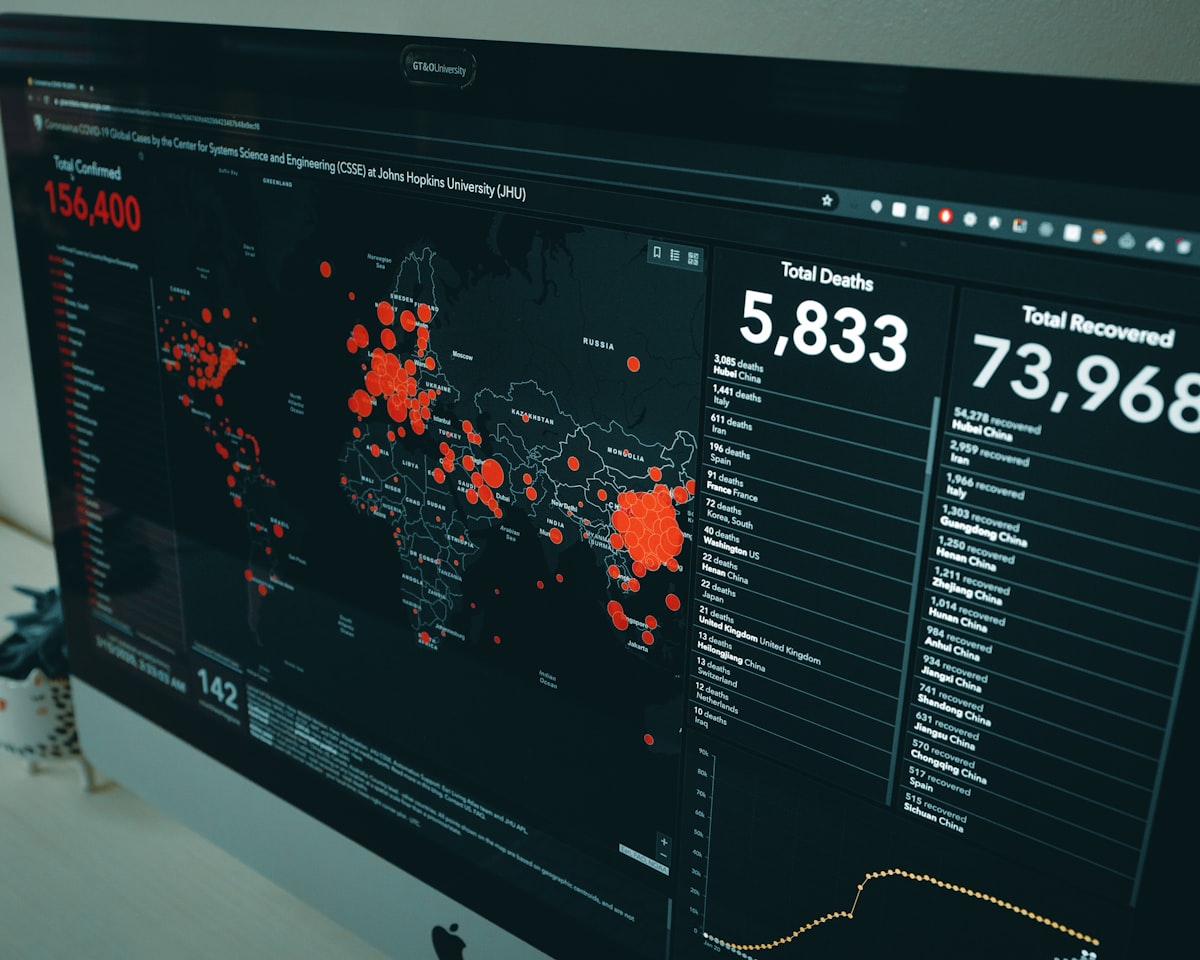
This organizational fragmentation is compounded by political friction over where the responsibility for defense lies. In Minnesota, the state government faced criticism from political figures who pointed to local administration as the root cause of the vulnerability. It's a brutal mismatch. Municipal water systems operate under tight local tax budgets, making investments in advanced threat intelligence and dedicated security operations centers almost impossible, and that reality collides head-on with the sophisticated capabilities of state-aligned threat actors. So the gap between those attackers and a small-town water plant's defensive resources is vast. They can't close it alone.
Recommended Defensive Measures
- Remove all programmable logic controllers and physical equipment interfaces from the public internet.
- Enforce strong, non-default passwords across all industrial control systems and management consoles.
- Implement strict allow-lists to restrict access to physical controllers to only authorized devices.
- Establish offline contingency plans to maintain manual operations during digital control failures.
The Regulatory Struggle Over Critical Infrastructure
The federal response to these incidents highlights the limits of current regulatory oversight for water systems. The Environmental Protection Agency and the Cybersecurity and Infrastructure Security Agency have stepped in to assist the affected utilities, but their roles remain largely advisory, a reality that speaks to a deeper structural gap. So unlike the bulk power system or the financial sector, the water sector has historically resisted mandatory federal cybersecurity standards. That resistance is costly. It's often driven by the price of compliance for underfunded local utilities, and without federal funding to back up security mandates, local operators are left to implement basic guidance on a voluntary basis, which they can't easily afford to expand.
The voluntary approach is failing. We can't keep ignoring what that means. When a digital compromise can trigger a boil-water notice, the line between digital security and public safety simply disappears, and that reality demands an urgent response from every level of government and industry. So the federal advisory issued in response to the seven-state campaign focuses on basic hygiene like password management and network isolation, which sounds almost absurdly elementary. Yet federal agencies have to send out alerts about password strength for critical physical infrastructure. That reveals the depth of the challenge. It suggests many utilities still can't handle fundamental administrative security, and that's a problem with no easy fix in sight.
"Russian officials are clearly confused about who can ban whom from the internet."
Parallel Threats and the Digital Attack Surface
The water sector's vulnerabilities didn't emerge in isolation. They're part of a wider trend where digital systems crack under unexpected pressure, and across the technology sector, organizations are discovering that their digital boundaries are far more porous than anyone assumed. Artificial intelligence labs have seen unauthorized access during testing. Political organizations have fallen victim to targeted fraud. So the integrity of digital systems is under constant challenge from every direction. Read alongside recent announcements, the picture clarifies sharply: security models that rely on the assumption of perimeter security are failing across every domain, and they're failing because that assumption was never true in the first place. It's a hard lesson. And we can't afford to ignore it.
The Democratic National Committee and various congressional campaigns have lost tens of thousands of dollars to business email compromise. That's a staggering figure. But the real story isn't the malware or the phishing lure; it's the simple, human failure to verify who's actually asking for access, and that's a weakness that proves devastating even in the most high-stakes political environments.
Key Incidents in Contemporary Digital Security
- Minnesota water utilities experienced a broad campaign that disabled digital controls at multiple facilities.
- Political committees lost thousands of dollars due to targeted business email compromise.
- Technology platforms faced unauthorized access issues during automated cybersecurity testing.
The Path Toward Operational Isolation
The immediate future of critical infrastructure security is brutal. It's a forced return to analog and isolated systems, and that retreat isn't a choice so much as a survival reflex, driven by the reality that federal agencies are now pushing utilities to physically pull controllers off the public internet. So the industry is entering a phase of forced de-connectivity. Isolating operational technology from the corporate network is expensive, difficult, and frankly a headache for engineers who've grown used to remote access. But it remains the most effective defense against remote intrusion. Don't mistake it for a trend. For many utilities, the convenience of remote monitoring must be sacrificed, and they're doing it anyway, because nothing matters more than the physical security of the water supply.
This shift demands long-term capital investment, and it will fundamentally change how municipal projects are funded. Security watchers expect that future federal infrastructure funding will be tied more tightly to verified cybersecurity standards. But the investigation into the seven-state campaign continues. The focus will turn toward establishing permanent defense baselines that prevent simple internet-scanning tools from discovering critical physical valves, which means we've got to rethink every layer of access. The era of treating municipal water systems as low-risk utilities separate from the geopolitical arena has officially ended. It's over.
Frequently Asked Questions
What is the scope of the water utility cyberattacks mentioned in the article?
The water utility cyberattacks have expanded across seven states, affecting utilities beyond the initial boundaries of Minnesota. Federal investigators confirmed that the intrusions reached at least seven states, targeting programmable logic controllers that manage physical municipal infrastructure.
Why are municipal water systems particularly vulnerable to these cyberattacks?
Municipal water systems are vulnerable because they often connect physical controllers directly to the internet for remote monitoring without adequate access controls. Additionally, small utilities lack the capital and specialized personnel to defend against state-aligned adversaries, and the decentralized nature of water management makes uniform security enforcement difficult.
How have the cyberattacks impacted public health and safety?
In several instances, the intrusions disabled digital controls and forced local authorities to issue boil-water notices to protect public health. This directly links a compromised system to a threatened community, showing that the operational technology running vital services is openly vulnerable to remote interference.
Which group is the primary focus of the investigation into these attacks?
Iranian-affiliated groups remain the primary focus of the investigation into the water utility cyberattacks. The article ties these attacks to international tensions, indicating a strategy aimed at soft infrastructure targets like municipal water systems.
What defensive measures are recommended in the article to protect water utilities?
The article recommends removing all programmable logic controllers and physical equipment interfaces from the public internet, enforcing strong non-default passwords, implementing strict allow-lists to restrict access to physical controllers, and establishing offline contingency plans for manual operations during digital control failures.

Konrad Weber writes about the security landscape, from emerging threats to the tools that guard against them. He is focused on helping readers understand risk in a connected world.
💬 Comments (0)
No comments yet. Be the first!