Supreme Court Denies Trump USPS Mail Ballot Changes
The Supreme Court rejected the Trump administration's USPS mail ballot changes in a 7-2 ruling, calling the effort arbitrary and capricious.
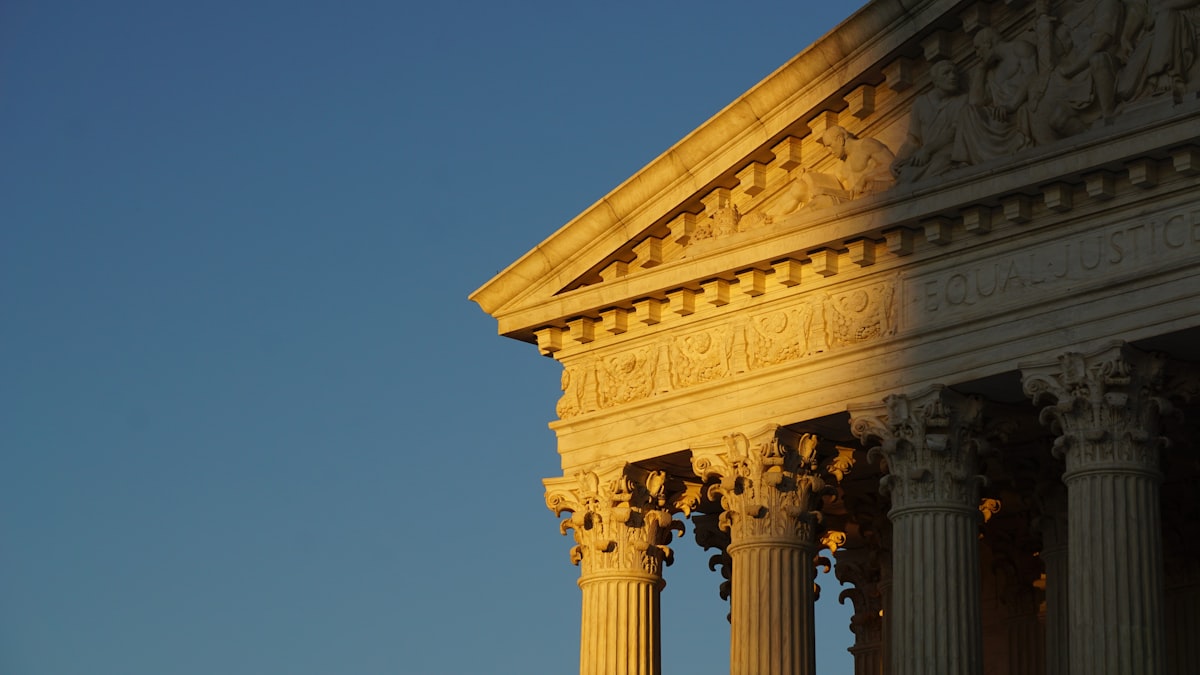
USPS mail ballot changes sought by the Trump administration will not take effect before the 2026 midterm elections. The Supreme Court on Monday rejected the administration's emergency request to lift a lower court injunction, ruling 7-2 that applying the new postal rules this cycle would be "arbitrary and capricious."
It's done. That avenue is closed. The decision shuts down the administration's last judicial path for putting the changes in place in time for November, leaving them without a way to make it happen before voters head to the polls. And it leaves in legal limbo a set of requirements that would have reshaped how mail-in ballots are verified, tracked, and counted across the country, a system that now sits in uncertainty with no clear resolution in sight. They can't move forward.
What the Court Actually Said
The majority offered little in the way of extended reasoning. Writing for the court, Justice Kentaji Brown Jackson said the administration "is unlikely to succeed on the merits of its challenge to the District Court's preliminary injunction" and had failed to articulate a valid reason for seeking emergency relief.
Justice Brett Kavanaugh, concurring, took a different angle. He signaled that the final USPS regulation might ultimately fall within the government's legal authority, but that the timeline made it impossible to implement now. The rule, he wrote, would be "arbitrary and capricious and in violation of the Administrative Procedures Act because state and local election officials do not have sufficient time to reasonably implement the rule before the elections."
That reasoning matters. It suggests the court's objection is about timing, not necessarily about whether the executive branch can impose such requirements at all.
A Dissent That Went Long
Not everyone agreed. And the split wasn't close to even in tone. Justice Samuel Alito, joined by Justice Clarence Thomas, wrote a dissent exceeding seven pages, which was far longer than the majority's brief rationale, and within that dissent he made clear exactly what he would have done. Alito said he would have granted the stay and allowed the order to take effect for 2026. He argued that the states and organizations challenging the government lacked standing. He dismissed their concerns about voter education.
Alito's position shows how sharply the court divided over the practical consequences of last-minute election administration changes.
Inside the Executive Order
The order sits at the center of the case. It would have tasked USPS with verifying voter citizenship and validating ballot materials, a sweeping mandate that touched everything from individual registration records to the physical handling of every envelope passing through the system. It called for a barcode tracking system on mail ballot envelopes. And it called for "State Citizenship Lists" compiled by the Department of Homeland Security. That's the whole ask.
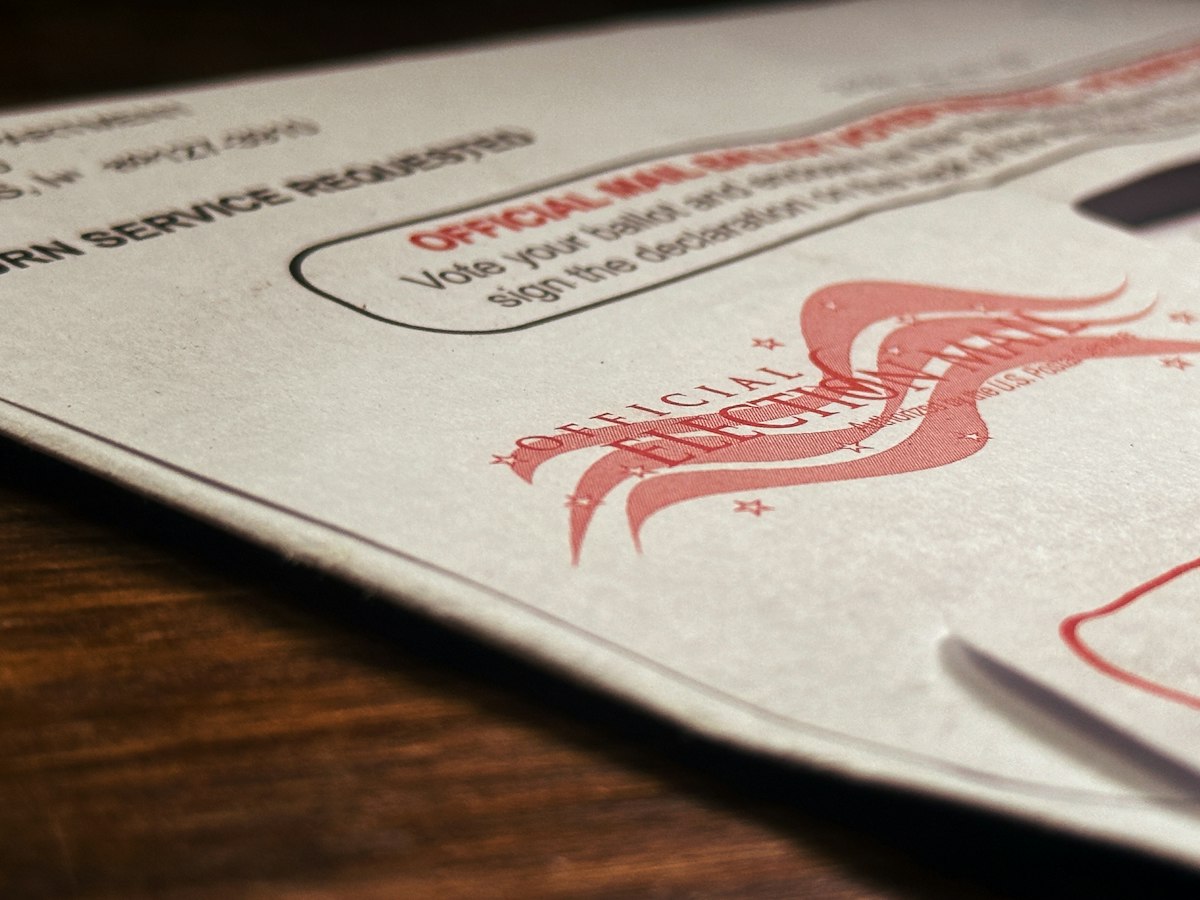
States and voting rights organizations challenged it quickly, arguing the executive branch had no constitutional authority to dictate how they maintained their voter rolls.
The White House framed the order as necessary. It claimed the federal government has "an unavoidable duty" under Article II of the Constitution to maintain confidence in election outcomes by preventing violations of criminal law, including noncitizen voting.
Lower courts rejected that framing, blocking the order before November. The emergency petition to the Supreme Court was the administration's best and final hope for judicial relief.
"But applying the rule in the 2026 elections would be arbitrary and capricious and in violation of the Administrative Procedures Act because state and local election officials do not have sufficient time to reasonably implement the rule before the elections."
Whistleblower Claims and Rushed IT Systems
Even as the legal fight played out, the administration moved ahead finalizing the USPS rule. A whistleblower complaint alleged that a "rushed" effort by the White House and the Postal Service to install three new restrictive IT systems meant to verify citizenship could potentially deny thousands of mail-in ballots if the federal government disagrees with states on a voter or ballot's eligibility.
Those systems are now the subject of separate scrutiny, even as the broader rule remains blocked.
Why Timing Decided This Case
David Becker, executive director of the nonprofit Center for Election Integrity and Research, told reporters before the ruling that he doubted the court's majority "want to own the chaos that would ensure" as USPS, states, and voters tried to navigate changes imposed just months before an election. Many states, he noted, have already begun sending out ballots that do not comply with the proposed rules.
Becker flagged a pattern. It's in the court's history. On election administration questions, the justices side with states. When they consider issues related to the administration of elections, the casting and counting of ballots, they have sided with the states every time, he said. Every time. And they don't waver.
The Kavanaugh concurrence leaves the door open. The administration can try again with a longer runway. And if the final rule survives on the merits in later litigation, then the same USPS mail ballot changes that we've been talking about could return for a future cycle, provided there's more lead time.
What Happens Now
For 2026, the practical effect is straightforward. States and local election officials will continue operating under existing mail ballot procedures. The three IT systems under scrutiny remain a live concern for voting rights advocates, and the underlying legal challenge to the executive order continues in lower courts.
For the administration, the path forward is narrower. It can pursue the case on the merits, attempt to revise the rule with an eye toward implementation timelines, or wait for a future election cycle. None of those options delivers USPS mail ballot changes before November.
The court's decision doesn't resolve whether the executive branch can impose citizenship verification requirements on mail voting. It only says it can't do so this late, this fast, and this close to an election. That's the limit. But that distinction, narrow as it is, will shape the next round of litigation over USPS mail ballot changes and the limits of executive power over how Americans vote by mail, because what's unsettled here isn't just timing but authority itself.
Frequently Asked Questions
What did the Supreme Court decide regarding the Trump administration's USPS mail ballot changes?
The Supreme Court rejected the administration's emergency request to lift a lower court injunction, ruling 7-2 that applying the new postal rules this cycle would be "arbitrary and capricious." This decision shuts down the administration's last judicial path for putting the changes in place in time for November.
Why did the Supreme Court majority block the USPS mail ballot changes from taking effect before the 2026 midterm elections?
The majority, in an opinion by Justice Kentaji Brown Jackson, found the administration "is unlikely to succeed on the merits of its challenge to the District Court's preliminary injunction" and had failed to articulate a valid reason for seeking emergency relief. Justice Brett Kavanaugh, concurring, reasoned that state and local election officials did not have sufficient time to reasonably implement the rule before the elections.
How did Justice Samuel Alito and Justice Clarence Thomas view the case in their dissent?
Justice Samuel Alito, joined by Justice Clarence Thomas, wrote a dissent exceeding seven pages, stating he would have granted the stay and allowed the order to take effect for 2026. He argued that the states and organizations challenging the government lacked standing and dismissed their concerns about voter education as "abstract social interests."
What requirements would the executive order at the center of the case have imposed on USPS and mail-in ballots?
The order would have tasked USPS with verifying voter citizenship and validating ballot materials, and it called for a barcode tracking system on mail ballot envelopes. It also called for "State Citizenship Lists" compiled by the Department of Homeland Security.
What practical effect does the Supreme Court's decision have for the 2026 elections and what options remain for the administration?
For 2026, states and local election officials will continue operating under existing mail ballot procedures, while the three IT systems under scrutiny remain a live concern for voting rights advocates. The administration can pursue the case on the merits, attempt to revise the rule with an eye toward implementation timelines, or wait for a future election cycle, but none of those options delivers USPS mail ballot changes before November.

Sloane Meyer covers cybersecurity, privacy and the threats facing individuals and organisations online. She explains how attacks happen and what can be done to stay protected.
💬 Comments (0)
No comments yet. Be the first!