Satellite Images Reveal Scam Compounds Expansion
Analysis of satellite images shows at least 25 new scam compounds have appeared in Myanmar since the start of the year.
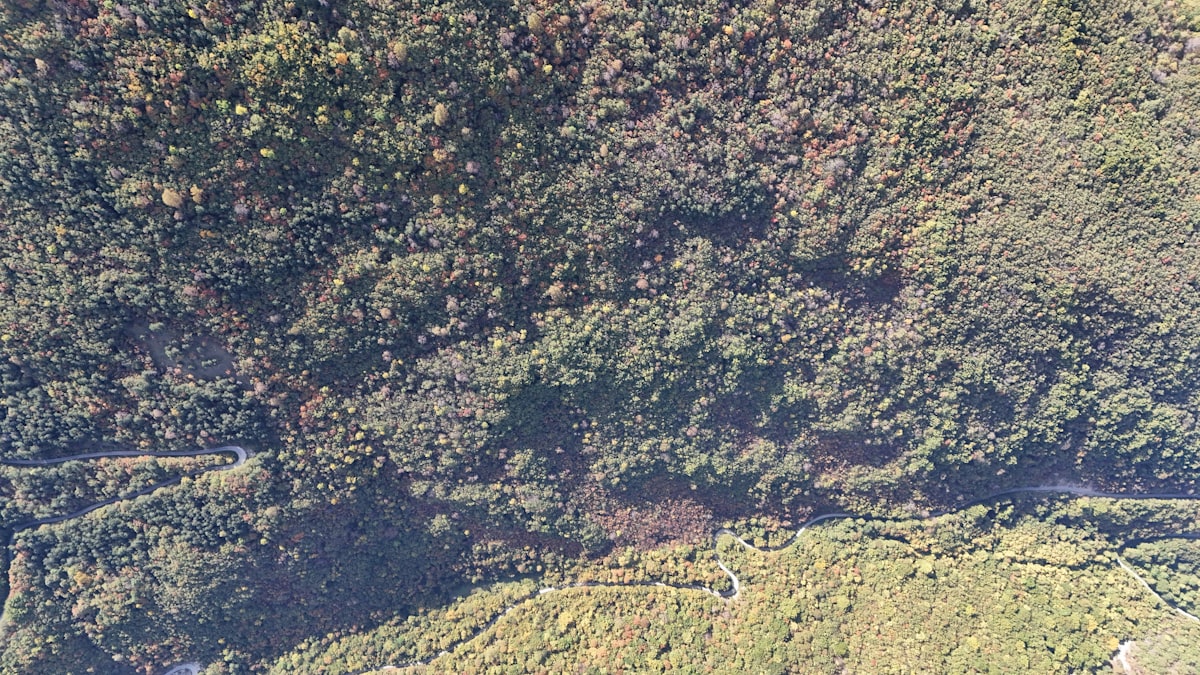
Scam compounds grow in war-torn regions
Scam compounds are spreading across Myanmar's Myawaddy region with alarming speed. It's a crisis that won't stop. Recent satellite imagery suggests efforts to dismantle these criminal networks have failed to slow their expansion, so at least 25 new sites have appeared since the beginning of this year alone. And these facilities now occupy land that was previously untouched forest.
Infrastructure built for exploitation
It's remarkably fast. Land is cleared, trees are razed, and dozens of buildings are erected within just a few months, and these sites mirror the layout of previous operations that have caused billions of dollars in losses through global cryptocurrency and romance scams.
- At least 25 new sites have appeared since the start of the year in Myawaddy.
- One specific location added 24 buildings between January and April.
- Operations frequently involve human trafficking victims from over 60 countries.
- Many sites remain active despite high-profile military raids held last year.
The failure of recent crackdowns
Authorities raided known locations last year, destroying computers and exploding buildings in an attempt to disrupt the industry. But it didn't work. The scale of new development has effectively replaced everything lost during those initial security operations, and it's clear now that the crackdown couldn't stop the momentum.
, a global analyst who focuses on the impact of these criminal sites.
Many sites that appeared empty are now fully operational. But we've seen that the criminal groups behind these enterprises simply shifted their victims to other locations, and it's clear that this constant movement ensures the flow of illegal profits remains uninterrupted and unchanged.
Connectivity behind the fences
Digital infrastructure is a major indicator of these hidden operations. But tech data reveals that various foreign internet service providers connect to these remote locations, which serve absolutely no other purpose in the entire region. Some locations still use satellite internet systems. They can't stop their operations.
Lingering technology concerns
Satellite internet terminals remain a point of contention for those tracking the expansion. But it's still unclear why these specific links can't be permanently disabled. They're insignificant obstacles. The criminal networks appear to be treating these disruptions as minor obstacles rather than genuine threats to their business model.
Human cost remains high
Behind the walls of these sites, hundreds of thousands of people are forced to work against their will.
Nothing has changed
The growth isn't slowing down. Drone footage has verified that sites previously thought to be abandoned are now repopulated with new victims, and the individuals behind the operations continue to move their personnel between different compounds to stay ahead of scrutiny. But the reality on the ground is that the criminal industry is larger and more active than it was before the widely publicized intervention efforts.
Frequently Asked Questions
What has satellite imagery revealed about the expansion of scam compounds in Myanmar's Myawaddy region?
Satellite imagery has shown that at least 25 new scam compound sites have appeared since the beginning of the year, occupying land that was previously untouched forest. The sites are built remarkably fast, with land cleared and dozens of buildings erected within just a few months.
Why did recent crackdowns fail to stop the growth of scam compounds?
Authorities raided known locations last year, destroying computers and exploding buildings, but the scale of new development has effectively replaced everything lost during those operations. The criminal groups simply shifted their victims to other locations, ensuring the flow of illegal profits remains uninterrupted.
How do scam compounds maintain their digital connectivity despite disruptions?
Various foreign internet service providers connect to these remote locations, which serve no other purpose in the region, and some sites still use satellite internet systems. It remains unclear why these specific links cannot be permanently disabled, and the criminal networks treat such disruptions as minor obstacles.
When were the majority of new scam compound sites detected, and what evidence supports this?
At least 25 new sites have appeared since the start of the year in Myawaddy, with one specific location adding 24 buildings between January and April. Drone footage has also verified that sites previously thought abandoned are now repopulated with new victims.
Who are the victims of these scam compounds, and what is their experience?
Hundreds of thousands of people from over 60 countries are forced to work against their will, often after being tricked by false job promises. They face imprisonment and physical abuse, held 24/7 to carry out cold contact scams on social media platforms.

Konrad Weber writes about the security landscape, from emerging threats to the tools that guard against them. He is focused on helping readers understand risk in a connected world.
💬 Comments (0)
No comments yet. Be the first!