Apple Watch Adds Four Audio Intelligence Tools
Apple announced four opt-in audio intelligence tools for its new Apple Watch, emphasizing privacy through Secure Exclave and Private Cloud Compute.
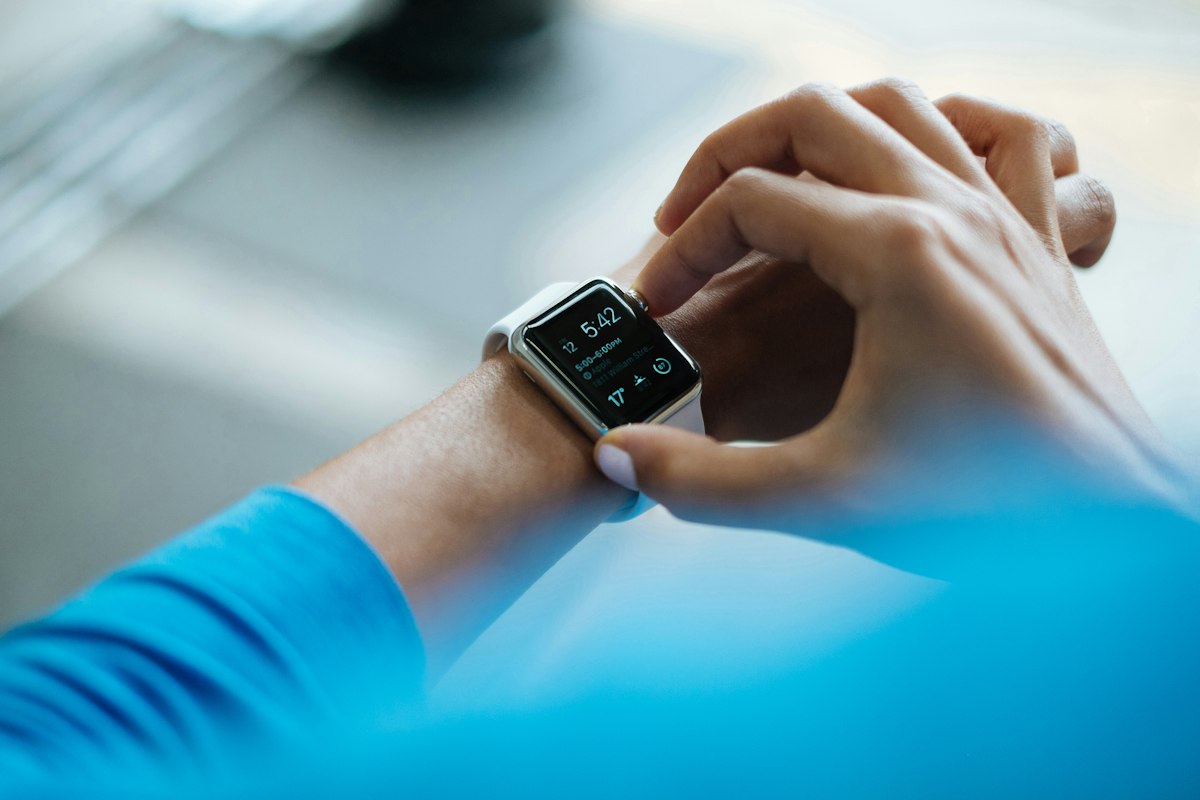
Apple Watch audio intelligence tools arrived this week with a promise attached: listen closely, but don't worry. The company announced on Wednesday that its two new smartwatches carry four opt-in features powered by the microphones already built into the hardware. Sound and music recognition. Conversation recaps. A rolling fifteen-second transcript called Live Rewind. Each one trades on ambient audio, and each one arrives with an unusually detailed privacy argument stapled to it.
That argument is the story. Not the features themselves, which follow a familiar arc of AI creeping into every corner of computing, but the machinery Apple built to keep the creep from feeling like surveillance.
What the Watch Actually Hears
The four tools split into two camps. Sound Recognition stays entirely on the wrist, alerting wearers to doorbells, sirens, alarms, or a crying baby without shipping a byte off the device. The other three reach further. Shazam listens for music and generates a signature of the song rather than a recording. Siri Recap can run continuously or on a schedule, capturing substantive conversations and distilling them into summaries. Live Rewind holds the last fifteen seconds of ambient speech so a user can pull up a transcript of what was just said around them.
All four are opt-in. None of them record in the conventional sense. That distinction matters to Apple, which stated plainly that the features "do not create or store audio recordings, and raw audio used for processing is completely inaccessible to the operating systems, apps, the user, or Apple."
The Secure Exclave Does the Heavy Lifting
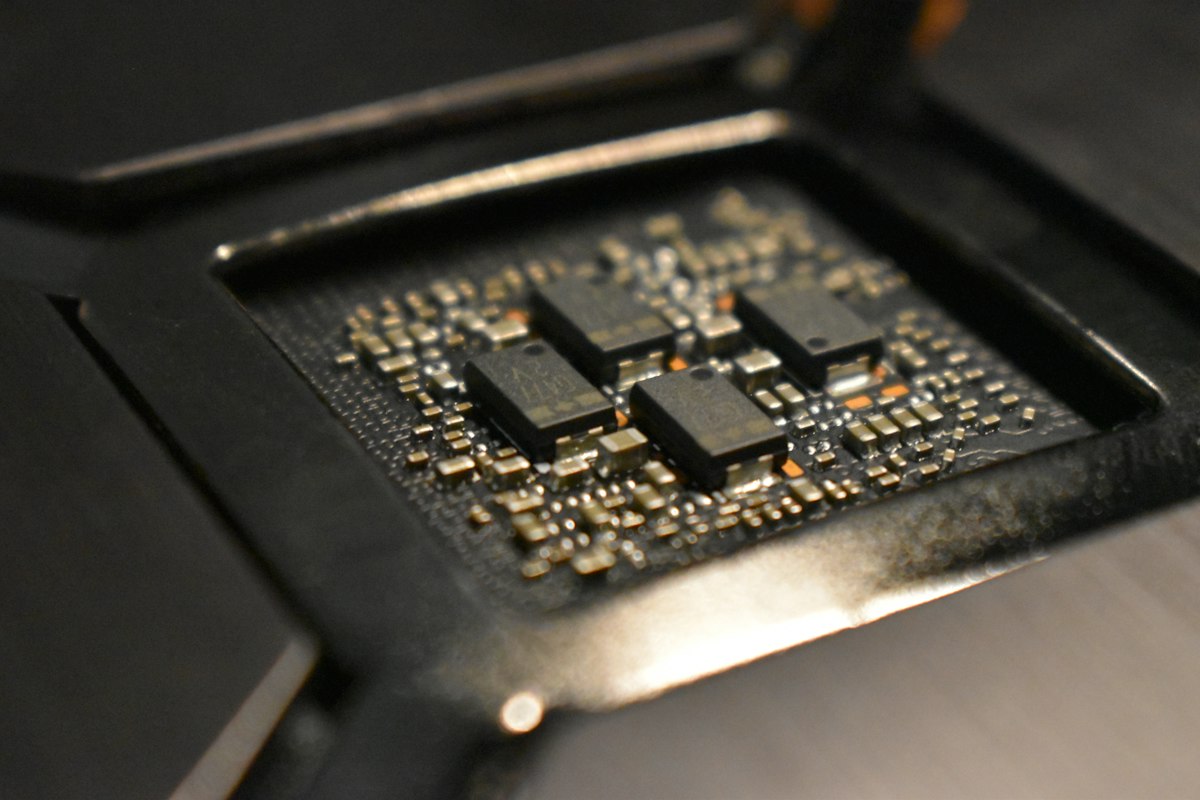
Underpinning the whole arrangement is a piece of silicon Apple calls the Secure Exclave, a memory-protected region inside the new S11 chips designed specifically for sensor data. Think of it as a sealed room inside the watch. Audio enters, gets processed, and never touches the rest of the operating system.
The path from there depends on the feature. Shazam generates its song signature inside the exclave and deletes it immediately after identification, or immediately if the user never asks. Siri Recap takes a longer route. A dedicated AI model watches for speech without recording or transcribing anything. When it detects a conversation, the audio moves into a protected buffer in the exclave, gets encrypted, and travels over a secure Bluetooth pairing to the iPhone's own Secure Exclave. The watch deletes its copy right away.
Where the Audio Goes Before It Disappears
On the iPhone, local speech recognition and language models transcribe the audio, then strip nonessential elements like repeated phrases and filler words. The raw audio is deleted. A safety model screens the text to omit potentially harmful terms. What remains, a distilled transcript, gets encrypted and sent to Apple's Private Cloud Compute, where foundation models generate a title and summary that travel back to the phone and watch.
Contextual details ride along with that transcript. Now Playing data helps the model tell speech apart from music or a podcast. Calendar data sharpens summary titles. Location gets reduced to broad labels like home, work, or school, plus city, state, and country. Point-of-interest categories such as grocery store or park may be included. Precise coordinates are not.
"These features do not create or store audio recordings, and raw audio used for processing is completely inaccessible to the operating systems, apps, the user, or Apple," the company wrote in a report shared with WIRED.
Live Rewind and the Fifteen Second Window
Live Rewind works on a rolling buffer. Old sound is replaced by new sound. Nothing accumulates. To pull a transcript, the user must double-press the Digital Crown each time. The watch then ships the buffered audio to the paired iPhone's Secure Exclave. If the iPhone isn't available, the transfer fails and the audio is deleted automatically. Siri Recap carries the same fail-safe.
When the transfer succeeds, the iPhone transcribes on-device, deletes the audio, and sends text back to the watch. The user reads it, then discards it or saves it in the Siri app.
Apple also built in a social cue. The watch produces an audible chime when a wearer initiates a Live Rewind transcript, even if the device sits on silent or is paired with headphones. The point is to warn whoever is standing nearby that their words just became text.
The Problem With Listening Well
A chime tells people they were captured. It doesn't ask their permission. And the features are designed to filter out identifying information about speakers, which cuts both ways: less data retained, but also less accountability if something sensitive slips through.
Anyone wearing one of these watches could point audio intelligence at an intimate vent session, a private family update, or an accidental confession. The tools are opt-in, and the chime is a genuine gesture. The scope is still enormous.
- Sound Recognition: on-device alerts for doorbells, sirens, alarms, and crying babies
- Shazam: song signatures generated in the Secure Exclave and deleted after identification
- Siri Recap: scheduled or continuous conversation summaries processed through Private Cloud Compute
- Live Rewind: a rolling fifteen-second buffer transcribed only on a double-press of the Digital Crown
Apple has spent years and enormous sums building secure AI processing infrastructure that few competitors can match. The new hardware leans on all of it. On-device processing wherever possible. Private Cloud Compute when the cloud is unavoidable. Encryption at every handoff.
Yet the launch also illustrates something harder to engineer away. As audio intelligence tools spread across watches, phones, and computers, the attack surface grows with them, a widening collection of services and systems where a flaw or a mistake could be exploited. The implications are moving faster than anyone can fully map them.
Apple's answer is architectural. Whether architecture alone is enough to settle the unease it clearly anticipates is a different question, and one the company cannot answer on its own.
Frequently Asked Questions
What four audio intelligence tools did Apple announce for its new smartwatches?
Apple announced four opt-in features: sound and music recognition, conversation recaps, and a rolling fifteen-second transcript called Live Rewind. Sound Recognition stays entirely on the wrist, while the other three reach further, including Shazam for music, Siri Recap for conversation summaries, and Live Rewind for ambient speech. All four are opt-in and none of them record in the conventional sense.
How does the Secure Exclave protect audio data on the Apple Watch?
The Secure Exclave is a memory-protected region inside the new S11 chips designed specifically for sensor data, acting like a sealed room inside the watch. Audio enters, gets processed, and never touches the rest of the operating system. For example, Shazam generates its song signature inside the exclave and deletes it immediately after identification, or immediately if the user never asks.
What happens to audio data when Siri Recap processes a conversation on the iPhone?
On the iPhone, local speech recognition and language models transcribe the audio, then strip nonessential elements like repeated phrases and filler words, and the raw audio is deleted. A safety model screens the text to omit potentially harmful terms, and what remains, a distilled transcript, gets encrypted and sent to Apple's Private Cloud Compute. Foundation models there generate a title and summary that travel back to the phone and watch.
When does the Apple Watch produce an audible chime, and why?
The watch produces an audible chime when a wearer initiates a Live Rewind transcript, even if the device sits on silent or is paired with headphones. The point is to warn whoever is standing nearby that their words just became text. Apple built in this social cue as a gesture, though the article notes it tells people they were captured but doesn't ask their permission.
What contextual details are used when generating summaries for Siri Recap, and what is excluded?
Contextual details that ride along with the transcript include Now Playing data to help the model tell speech apart from music or a podcast, and Calendar data to sharpen summary titles. Location gets reduced to broad labels like home, work, or school, plus city, state, and country, and point-of-interest categories such as grocery store or park may be included. Precise coordinates are not included.

Sloane Meyer covers cybersecurity, privacy and the threats facing individuals and organisations online. She explains how attacks happen and what can be done to stay protected.
💬 Comments (0)
No comments yet. Be the first!