What the Amazon Prime Video ads mean for you
Amazon Prime Video ads are now standard. Here is what this change means for your streaming experience and subscription options.
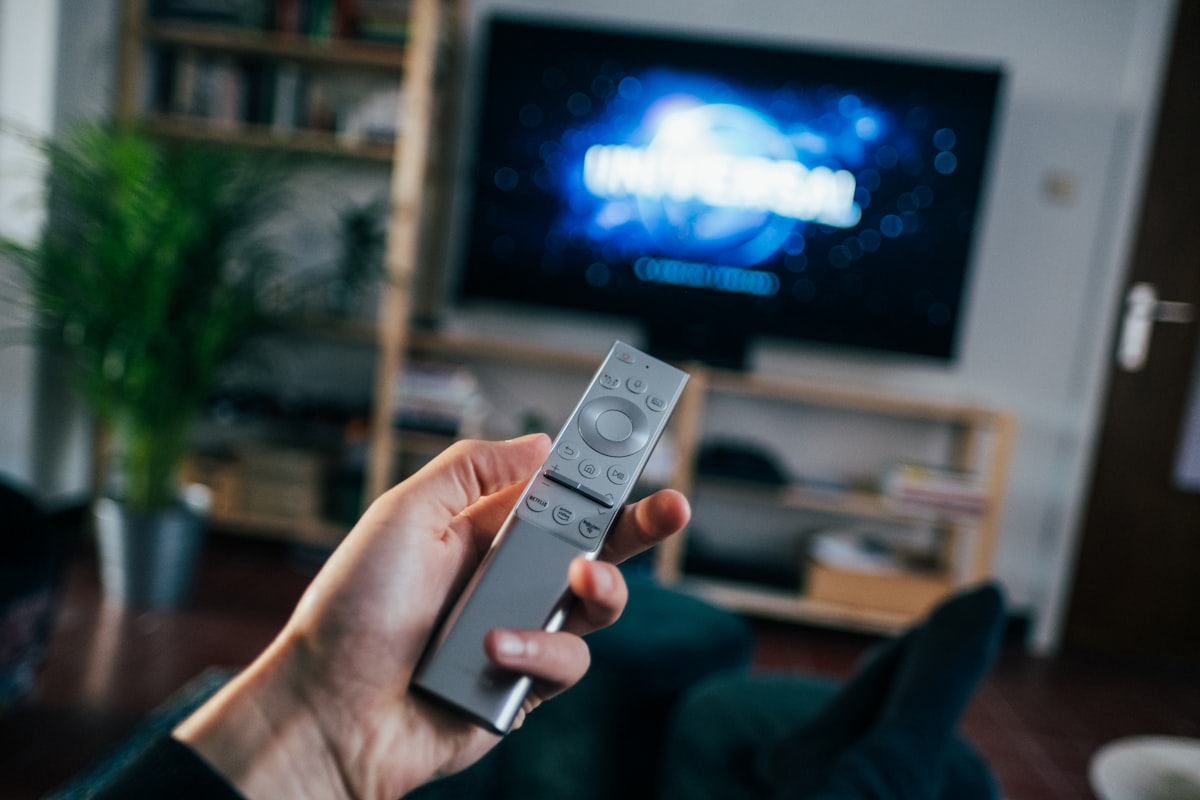
Amazon Prime Video ads are now part of your streaming experience. Can't escape them. If you use this service, you have likely noticed that commercial breaks are appearing during movies and television shows, and this change marks a notable shift in how the platform delivers content to its subscribers.
What changed for your account
You are no longer watching ad-free content. But the core of this update involves adding limited advertisements to standard subscription plans, a transition that applies to the vast majority of users who pay for the standard membership level. It's a big shift.
The company insists these ads are necessary. They claim this revenue stream lets them keep investing in high-quality content for the long haul, and it's a way to sustain their current output of films and series without relying just on subscription fees. But that's their story.
How the ads look during playback
You'll see these commercials at specific points throughout your chosen program. But they're designed to be shorter than those on traditional cable television, which means the goal is to provide a viewing experience that feels less disruptive than standard broadcast breaks. It's a smarter approach.
Here is what you should expect during your next session:
- Commercials appear before and during movies and television shows.
- The volume of ads is intended to be meaningfully fewer than traditional linear television.
- You do not need to take any action to enable this feature.
- The change is automatic for existing accounts.
Your options for a commercial free view
Want to stop interruptions? There's a clear path forward: you can upgrade your current subscription by paying an additional monthly fee, and this creates a dedicated commercial-free version of the service for your account. It's that simple.
This decision rests entirely with you. But you must weigh the cost of that extra fee against how much you really dislike sitting through commercials, especially when you consider that some people find the standard experience perfectly acceptable and that's fine. It's simple. For others, a clean viewing experience is worth the extra monthly charge they'll pay.
The reality of streaming costs
Streaming services constantly adjust their models to stay profitable. It's not the first time a platform has introduced an ad supported tier, and it surely won't be the last. So you're seeing a broader trend across the industry where companies move away from pure subscription models.
It's about balancing cost and access. This strategy, as the company noted, shifts toward a lower entry price for the primary service while opening a new way to generate revenue through advertising slots.
Is this shift permanent
Assume this new model is the standard moving forward. There's no indication the company plans to revert to its previous ad-free structure for all users, and the infrastructure for serving these commercials is now so deeply embedded in the application's architecture that it can't be easily removed.
The company stated that they aim to have meaningfully fewer ads than linear TV and other streaming TV providers.
This quote comes directly from the company's public communication regarding the update. It's a simple shift. But they're positioning this move as a consumer friendly alternative to the heavy commercial loads found on traditional television networks.
What you should do today
Check your billing settings. But if you're curious about your options, you can easily switch between the ad supported plan and the ad free version through your account management page. You're happy with your current setup? So just continue using the service as you always have.
Watch your email. The provider typically sends notices before any major changes to pricing or account features take effect, so your biggest decision for now is whether you value your time or your money more during your next movie night. But it's simple.
Frequently Asked Questions
What is the key change introduced by Amazon Prime Video ads for standard subscribers?
Standard Amazon Prime Video subscribers are no longer watching ad-free content; limited advertisements now appear during movies and television shows. This change is automatic for existing accounts and requires no action from the user.
Why does Amazon claim these ads are necessary?
Amazon insists the ads are necessary because the revenue stream allows them to keep investing in high-quality content for the long term. They say it sustains their current output of films and series without relying solely on subscription fees.
How are the ads designed to differ from traditional cable television commercials?
The ads are designed to be shorter than those on traditional cable television, aiming to provide a less disruptive viewing experience. The volume of ads is intended to be meaningfully fewer than traditional linear television.
What option do subscribers have to avoid commercials?
Subscribers can upgrade their current subscription by paying an additional monthly fee to access a dedicated commercial-free version of the service. This choice rests entirely with the user.
What does the article suggest users do today regarding this change?
The article suggests checking billing settings and, if curious, switching between the ad-supported and ad-free plans through the account management page. It also advises watching email for notices about pricing or account feature changes.

Sloane Meyer covers cybersecurity, privacy and the threats facing individuals and organisations online. She explains how attacks happen and what can be done to stay protected.
💬 Comments (0)
No comments yet. Be the first!