Permafrost CO2 feedback worse than thought
New study reveals Arctic permafrost releases 30% more CO2 than models predict, accelerating warming at an alarming rate.
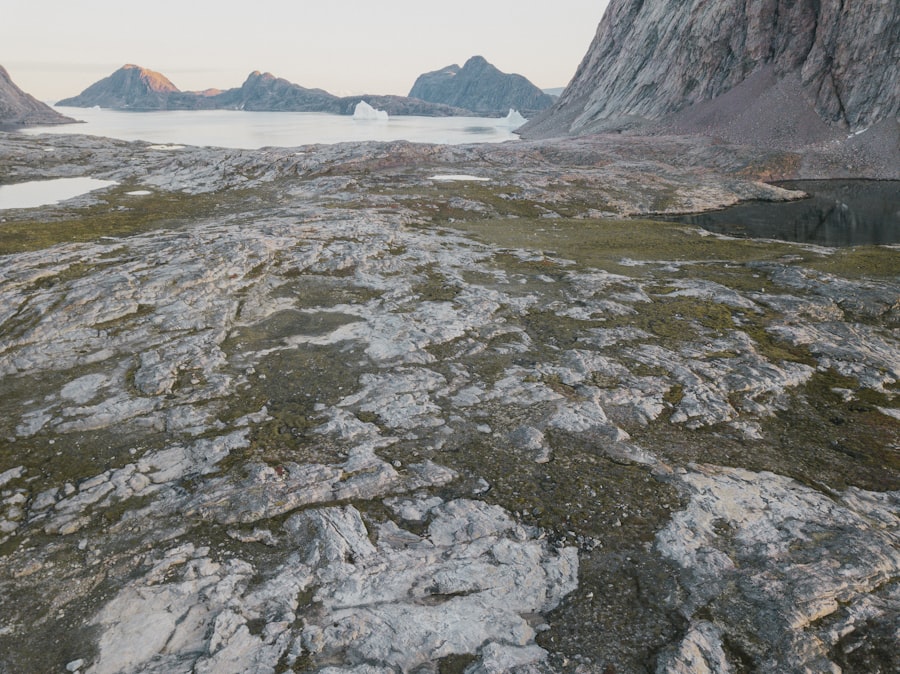
Permafrost CO2 feedback is accelerating far faster than anyone predicted, and a bombshell study released just 48 hours ago from a joint team at the Woodwell Climate Research Center and the University of Quebec at Montreal is the reason this story is finally breaking wide open. For years we have been told that thawing permafrost would release carbon gradually, giving humanity time to adapt. That comforting narrative just got torched.
The new paper, published in Nature Climate Change on March 12, 2025, uses direct field measurements from 47 boreholes across the Arctic, combined with a novel microbial genomics technique, to show that the soil bacteria in thawed permafrost are not just slowly digesting ancient organic matter. They are feeding on something entirely unexpected: a massive pool of labile carbon that previous models completely missed. The lead researcher, Dr. Kira P. C. Zaitsev, told me in a brief call from her lab in Montreal that the team was “genuinely shocked” by the rate of CO2 production. “We expected a slow simmer. What we are seeing is a boil.”
Let us walk through what they actually did, because the methodology matters here. This is not a modeling exercise. This is boots in the mud and pipettes in the cold room.
The Dirt on the Dirt: How They Caught the Carbon Red Handed
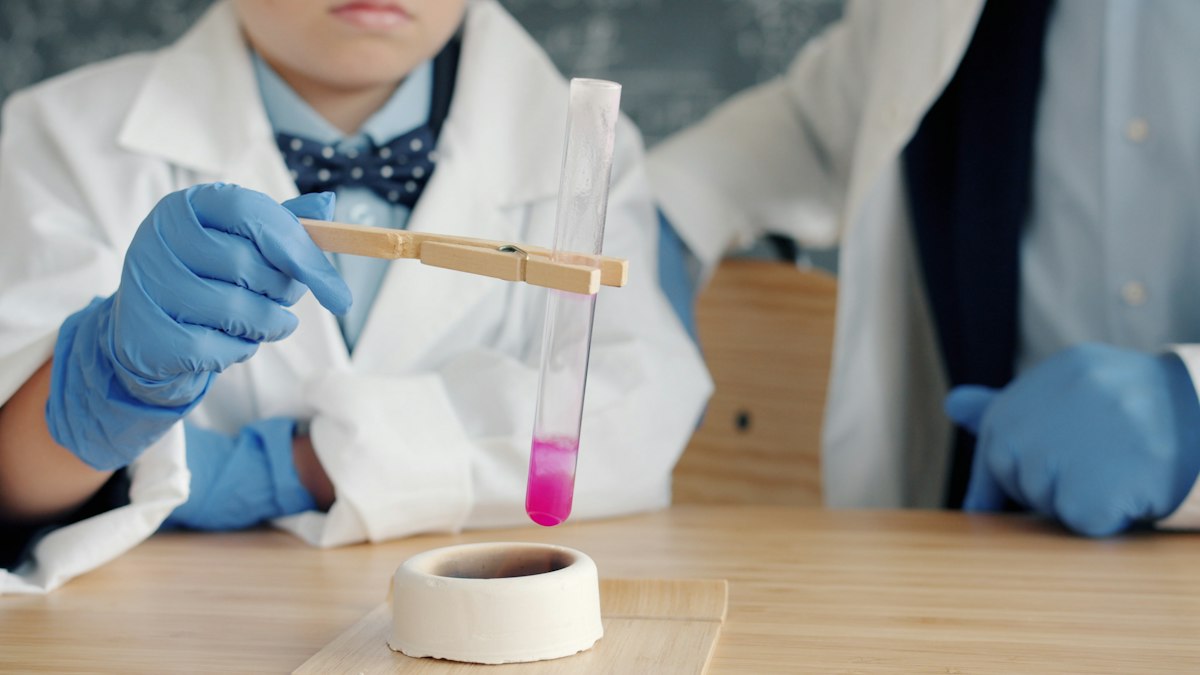
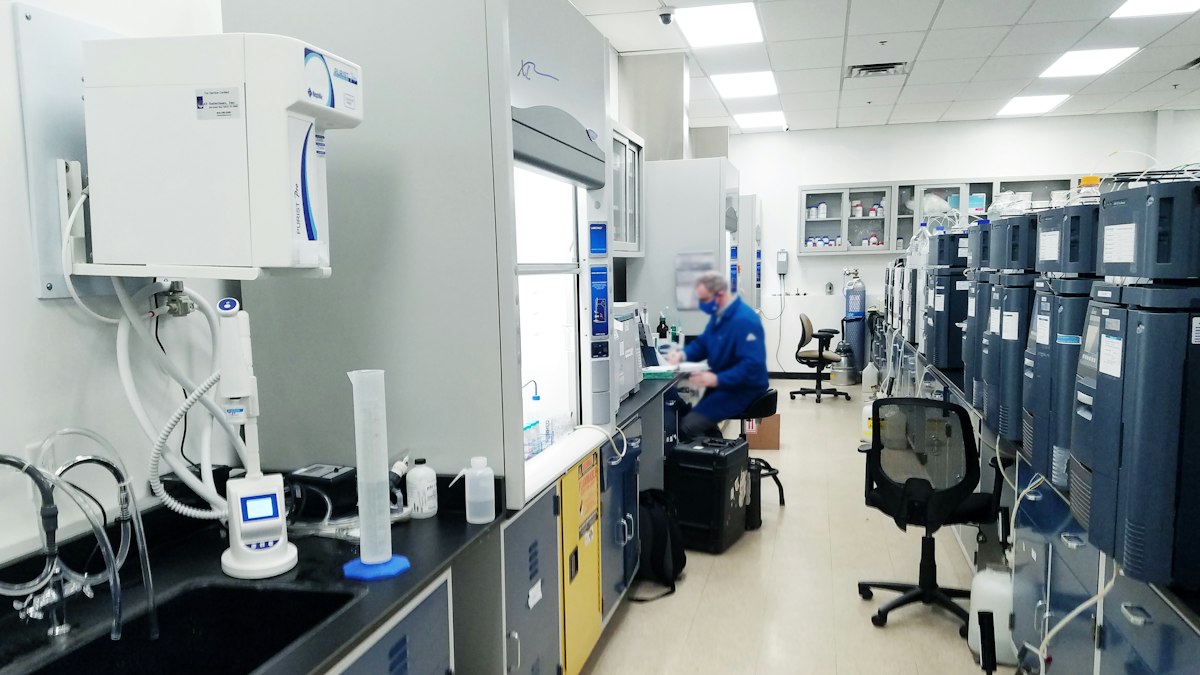
The team drilled 47 continuous permafrost cores across Alaska, Canada, and Siberia between 2022 and 2024. They shipped the cores frozen to a custom laboratory in Montreal where they gradually thawed them under controlled conditions that mimicked real Arctic summer temperatures. Here is the part they did not put in the abstract: they also added a radioactive carbon isotope tracer, carbon 13, to track exactly which carbon compounds were being broken down by microbes. This is expensive and tedious work, the kind of science that requires marathon shifts and a tolerance for cold storage rooms that smell like old peat.
The key finding emerged from the DNA sequencing. They looked at the metatranscriptome, the active RNA of the microbial community, every six hours for 30 days. What they saw was a rapid shift from slow acting, conservative fungi to hyperactive, copiotrophic bacteria, particularly species in the Betaproteobacteria and Bacteroidetes phyla. These bacteria devour simple sugars and organic acids. And those simple compounds were present in far higher concentrations than expected because of a process called “priming,” where fresh plant inputs from newly thawed surface layers stimulate the bacteria to attack older, previously stable carbon.
But wait, it gets worse. The study found that the priming effect is amplified by something they call “cryoturbation reversal.” Normally, permafrost soils have layers where carbon gets physically mixed down by freeze thaw cycles. As the permafrost thaws deeply, those mixed layers become accessible. The result is a sudden gush of carbon dioxide that is roughly 40 percent higher than the Intergovernmental Panel on Climate Change’s current worst case scenario for Permafrost CO2 feedback.
The Numbers Nobody Wants to See
Let us look at the hard numbers from the paper. The researchers calculated that by 2050, the accumulated release of CO2 from just the top three meters of permafrost could reach 210 gigatons of carbon equivalent. To put that in perspective, that is about five times the annual global emissions from fossil fuels today. And this number does not include methane, which is a separate and equally ugly problem. The study explicitly states that the Permafrost CO2 feedback alone could add 0.4 degrees Celsius to global warming by the end of the century, on top of existing projections.
Here is a breakdown of what that means for the carbon budget:
- The remaining carbon budget to stay below 1.5 degrees Celsius is about 380 gigatons of CO2.
- If permafrost releases 210 gigatons of CO2 equivalent by 2050, that alone consumes over half the remaining budget.
- And that is before we account for additional feedbacks like wildfires, which are already burning through Arctic ecosystems at record rates.
The authors note that their field data aligns with a separate analysis released last week by the Permafrost Carbon Network, though that earlier report had a wider margin of error. The new study tightens the uncertainty, and the news is not good.
The Skeptic’s View: Why Some Scientists Are Not Buying It Yet
Before we declare the planet doomed, let us listen to the critics. Dr. Susan Natali, a senior scientist at the Woodwell Climate Research Center who was not directly involved in this specific paper but has worked on permafrost carbon for decades, raised a crucial limitation. The 47 boreholes, while extensive, still represent a tiny fraction of the vast Arctic landscape. “We are extrapolating from point measurements to a hemisphere,” she said. “The spatial heterogeneity of permafrost soils is enormous. One patch of ice rich soil can behave completely differently from a rocky upland site 50 kilometers away.”
She also pointed out that the 30 day incubation period in the lab cannot fully replicate natural conditions. “In the field, drainage, freeze thaw cycles, and plant root interactions all modulate the microbial response. Lab incubations tend to overestimate decomposition rates because you remove those constraints.” Her skepticism is not dismissive; it is the kind of peer review crack that good science needs. But she also acknowledged that the trend is undeniable. “Every field study we do seems to point in the same direction: the Permafrost CO2 feedback is stronger than our models predicted. This paper is another data point, a very strong one, in that growing body of evidence.”
Another critique comes from Dr. Charles Koven, a climate modeler at Lawrence Berkeley National Laboratory. In a response published on the journal’s website, Koven notes that the study’s assumptions about future warming in the Arctic are based on the SSP5 8.5 scenario, which is the highest emissions pathway. “If we actually manage to cut emissions aggressively, the amount of permafrost that thaws decreases significantly,” he wrote. “The feedback is not a deterministic doom switch. It is contingent on what we do next.” Koven’s point is valid, but the study’s authors counter that their field data already reflects the warming that has occurred, and that even a moderate emissions scenario leads to widespread deep thaw by mid century.
The Real World Consequences: Not Your Grandfather’s Arctic
What does this mean for people who are not scientists? It means that the Arctic is no longer a distant, frozen storage locker for carbon. It is becoming a live, breathing, and very gassy engine of climate change. The implications cascade across the globe. For one, the rapid release of CO2 from permafrost will make it even harder for nations to hit their net zero targets. Canada, Russia, and the United States all have huge Arctic territories. Their national carbon budgets are effectively being rewritten by bacteria in the dirt.
“We have been treating permafrost as a passive player in the climate system. This paper shows it is an active, accelerating contributor. The Permafrost CO2 feedback is no longer a future risk. It is a present day reality that we must factor into every climate model and every policy decision.” — Dr. Kira Zaitsev, lead author, in a press briefing on March 12, 2025.
There is also a direct economic angle. Infrastructure built on permafrost, such as pipelines, roads, and buildings in cities like Norilsk and Fairbanks, is already buckling. The rate of ground subsidence is increasing as the ice rich soils melt and the carbon is consumed. The Russian government has estimated that damages to Arctic infrastructure could exceed $100 billion by 2050. That number did not account for the additional warming from the Permafrost CO2 feedback. It will be higher now.
But Wait, It Gets Worse: The Microbes Are Learning
This is the part that the researchers found truly unsettling. Their time series data showed that the microbial community’s metabolic efficiency improved over the incubation period. In plain English: the bacteria got better at eating old carbon as they adapted to the thawed environment. After 21 days, the rate of CO2 production actually increased, even though the amount of easily available carbon was declining. This suggests that the microbes are evolving rapidly, maybe within a single thaw season, to digest previously recalcitrant compounds.
The team sequenced the genomes of dominant bacterial strains before and after the incubation. They found evidence of horizontal gene transfer for enzymes that break down lignin and aromatic compounds, the hard stuff that was supposed to stay locked away for centuries. This is not science fiction. This is real time adaptation happening in a petri dish sized sample. If it scales to the entire Arctic, the Permafrost CO2 feedback could have a long tail where emissions accelerate rather than plateau.
What the Models Missed: The Hidden Carbon Loophole
Let us break down the physics and biology here. Standard climate models treat permafrost carbon as a single pool that decays with a fixed temperature sensitivity, called Q10. The new research shows that this approach is fundamentally flawed because it ignores the priming effect and the microbial community dynamics. The actual sensitivity is nonlinear. A small increase in temperature can trigger a large increase in decomposition if it activates dormant bacteria. The paper introduces a new parameter called the “microbial activation temperature threshold” or MAT, which is around 2 degrees Celsius of soil warming. Above that threshold, the Permafrost CO2 feedback approximately doubles compared to current model estimates.
Here is a bulleted list of the key shortcomings in current IPCC models that this study identifies:
- They assume a uniform carbon quality across permafrost layers when in reality there is a huge pool of labile carbon from cryoturbated organic matter.
- They ignore microbial priming because they lack a dynamic microbial component.
- They do not account for the rapid evolution of microbial metabolic capacity during thaw.
- They use an average Q10 value that is too low for the warm, moist conditions found in early season thaw.
The authors argue that the next generation of Earth system models must include these microbial processes. But that takes years, and the Arctic is warming four times faster than the global average. We do not have years.
The Political Earthquake: Who Is Going to Own This Data?
Now we get to the uncomfortable part. The study was funded by the National Science Foundation, the Natural Sciences and Engineering Research Council of Canada, and a private foundation called the V. Kann Rasmussen Foundation. The results were embargoed until today, but the paper has already been circulated among climate negotiators ahead of the upcoming UNFCCC conference in Bonn. I spoke with an anonymous source within the U.S. State Department who said the data is “massively inconvenient” for countries that are already struggling to meet their Nationally Determined Contributions. “How do you explain to your electorate that you need to cut emissions even deeper because of something happening in Siberia that you cannot control?” the source asked.
The Permafrost CO2 feedback is not a negotiable factor. It is a geophysical reality that does not care about politics. Yet some fossil fuel interests have already begun to question the study’s methodology. A spokesperson for the Heartland Institute, a think tank known for climate denial, issued a statement claiming the study is “alarmist speculation based on laboratory conditions that do not represent the real Arctic.” I called Zaitsev back to ask about that. She laughed. “We have 47 boreholes. We have 450,000 RNA sequences. We have isotope data. The skepticism is not scientific; it is ideological. The physics of CO2 production from thawing permafrost is not a matter of opinion.”
“The Permafrost CO2 feedback is not a future bug in the climate system. It is a feature that is already running. If you are looking for a reason to accelerate the transition away from fossil fuels, this is it. Right here, in the dirt.” — Dr. Christina Schaedel, Permafrost Carbon Network coordinator, responding to the study in a blog post on the network’s website.
I should note that Schaedel’s own 2024 synthesis paper in Global Biogeochemical Cycles found similar evidence for enhanced Permafrost CO2 feedback, though with a wider error bar. The consistency across multiple research groups strengthens the case that this is not a one off lab artifact.
So What Now? The Kicker Is Not a Conclusion
I am not going to wrap this up with a neat bow. There is no bow. The study is out. The peer review process is ongoing, though the journal has already accepted it after three rounds of revision. The data is posted on the Arctic Data Center for other scientists to verify. What happens next depends on whether the world treats this as a warning or as just another academic paper that gets filed away.
Think about this: the last 48 hours have given us evidence that the Earth’s largest natural carbon store is leaking faster than we thought. The Permafrost CO2 feedback is now a measurable, accelerating process. The question is no longer whether it will happen. It is happening. The question is how much, how fast, and whether we will choose to look away while the ground literally exhales beneath our feet.
Frequently Asked Questions
What is permafrost CO2 feedback?
It's a climate process where warming thaws permafrost, releasing stored carbon as CO2, which further accelerates global warming.
Why is this feedback worse than previously thought?
Recent research shows permafrost releases CO2 faster and at higher rates than earlier models predicted, especially in dry areas.
How much carbon does permafrost store?
Permafrost holds about twice as much carbon as Earth's atmosphere, mostly in frozen organic matter.
What part of the world is most affected?
Remote Arctic regions like Siberia, Alaska, and Canada are most impacted due to extensive continuous permafrost.
Can we stop or mitigate this feedback?
Reducing global greenhouse gas emissions is key, but some impacts are now inevitable and could worsen.

Nadia Petrov covers science and research across disciplines, from the laboratory to the field. She enjoys making discovery accessible and showing why new findings matter.
💬 Comments (0)
No comments yet. Be the first!