Trump's 100% Drone Tariff Sparks Public Safety Fears
Trump's 100% drone tariff alarms critics who warn it will harm public safety and devastate US businesses, especially those relying on DJI drones.
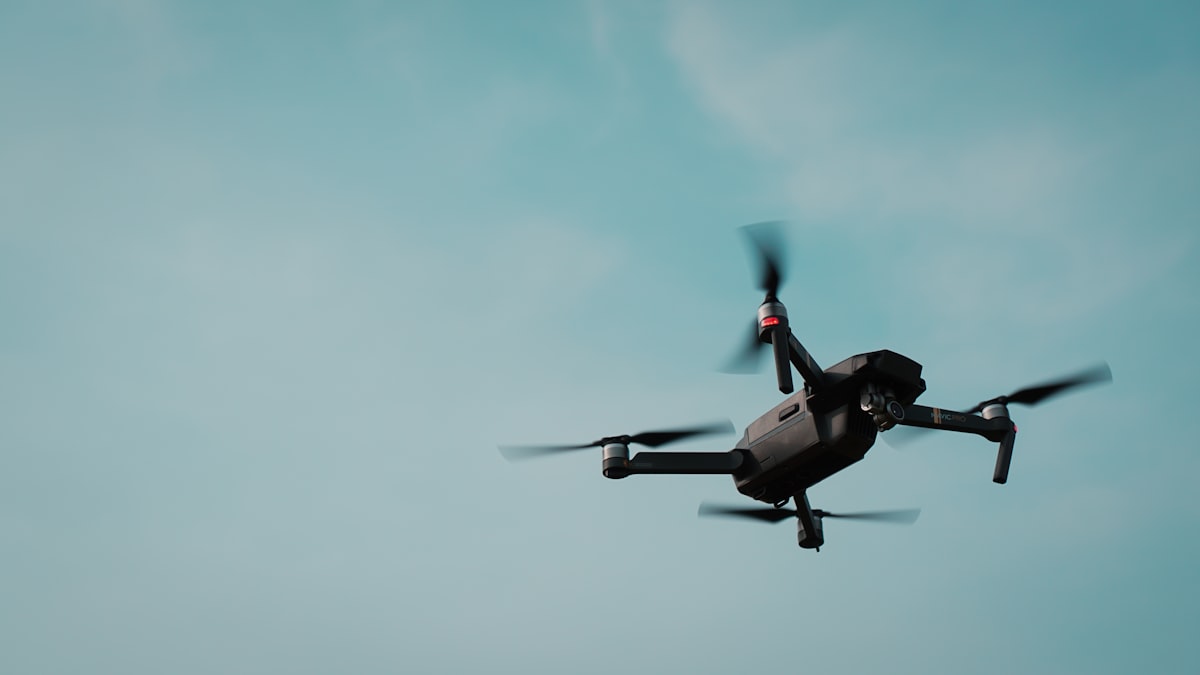
Trump's 100% drone tariff took effect on Thursday. The immediate fallout is a wave of alarm from public safety officials who say the sweeping trade action will price out the very tools they use to save lives, and that's a heavy burden for departments already stretched thin. The administration's move, posted through US Customs and Border Protection guidance, slaps a 100 percent duty on imported drones equipped with thermal imaging or weighing more than 55 pounds. Smaller drones face a 25 percent tariff. But allies didn't escape unscathed: British-made drones now carry a 10 percent levy, and a 15 percent tariff hits drones from the European Union, Japan, Liechtenstein, South Korea, Switzerland, and Taiwan, so the ripple effects are wide and immediate. It's a stark choice for rescuers.
President Donald Trump framed the taxes as a national security win. He argued that taxing foreign-made drones will shrink American reliance on Chinese technology and boost domestic manufacturing, a claim that casts the policy in the best possible light. But critics see a different equation. The numbers tell a stark story. Shenzhen-based DJI alone manufactures more than 70 percent of the world’s commercial drones, so that market dominance means the tariff isn't a gentle nudge toward homegrown alternatives. It's a wrecking ball. And it's aimed straight at the budgets of police departments, fire crews, and rescue teams that have built their operations around affordable, reliable DJI hardware.
Thermal drones now a luxury for rescue crews
For public safety agencies, thermal imaging drones aren't a nice-to-have gadget. They're the difference between finding a missing person in the dark and calling off a search. These aircraft track spreading wildfires, support police in hazardous environments, and give commanders aerial eyes when sending an officer into an unknown situation would be reckless, so they've become vital tools in moments where every second counts and human visibility fails completely. But Scott Mlakar, who leads a large unit of police officers and firefighters in the Cleveland area, told reporters that the tariff spike would likely put thermal drones out of reach for the communities that need them most. That's a costly blow.
That’s not hyperbole. A 100 percent tariff doesn’t just inflate the price of a new drone. It makes the technology a luxury item, something only well-funded departments in affluent districts can justify. Rural agencies and cash-strapped municipalities, the ones often covering vast search areas with thin personnel, get squeezed first.
The FCC could make things worse
The tariff wall isn't enough. Now the Federal Communications Commission is weighing a separate move that would tighten the screws further, and that's not all. So the agency is considering whether to reclassify a range of common drone technologies as "military grade," a shift that could ripple through the entire industry. But it's a heavy hammer to drop.
Industry experts warn the reclassification would function as a retroactive ban on drones used by thousands of American businesses and public safety officials. Vic Moss, an aerial photographer, called it an “industry-killing ban.” The FCC’s proposal is broad enough that it threatens to sweep in LiDAR sensors, a technology that has nothing to do with combat and everything to do with keeping aircraft from crashing into things.
LiDAR is a safety tool, not a weapon
David Hood, who coordinates a city’s drone program, filed an urgent comment with the FCC making the case plainly. “LiDAR is a safety and navigation technology, not a military capability,” he wrote. His city relies on LiDAR-equipped aircraft for collision avoidance during inspections and public safety missions over populated areas, and he warned that prohibiting the technology would push operators toward less capable aircraft with inferior collision avoidance, which would increase the risk of crashes over people and property. That risk is unacceptable. So he made his argument blunt and direct. But the FCC must weigh it carefully, because the stakes couldn't be higher for urban skies.
“Prohibiting LiDAR would undermine the very safety the proposal seeks to protect,” Hood wrote.
Dale Hylton of Blue Skies Drones echoed that sentiment, arguing the FCC should evaluate the actual risk presented by a system rather than classifying equipment as military grade simply because it contains a sensor widely used in civilian transportation, robotics, surveying, construction, and industrial applications.
DJI drones have no domestic equal
Here's the uncomfortable truth the tariff's supporters don't want to confront: there is no American-made drone that can step into DJI's shoes. Jason Lee, a Texas police officer who manages his department's drone program, told the FCC that no economically viable domestic replacement exists, and that's a reality check they can't dismiss. The 2024 survey data backs him up. But here's the kicker. More than 80 percent of state and local law enforcement drone programs used DJI aircraft, a figure that leaves no room for wishful thinking about homegrown alternatives stepping up to fill the void.
Lee pushed back on that implication. It's not a military shopping spree, and he's adamant about correcting that misreading of the data. “This widespread adoption didn't occur because law-enforcement agencies are seeking military equipment,” he said, but rather because these systems provide dependable capabilities at a price that municipal agencies can actually afford, which is a matter of practical budgeting, not aggressive procurement. So the real driver is cost-effectiveness. That's the whole story.
He relies heavily on DJI platforms for one simple reason: the blend of reliability, capability, ease of use, and cost simply can't be matched by any domestic alternative currently on the market. And it's not just new purchases that sting. The tariffs hit replacement components with the same duties, so fixing even minor damage on drones agencies already own becomes pricier, forcing them to weigh every cracked propeller against their shrinking budgets. That's a painful squeeze.
Lee pushed back on the assumption. The fact that a domestic product exists doesn't mean it's a viable substitute, he argued, because a replacement must be operationally comparable, economically obtainable, supported by an adequate supply chain, and accepted by pilots who must rely on it during real-world incidents. That's a tall order. But it's the standard.
Beyond cops and firefighters
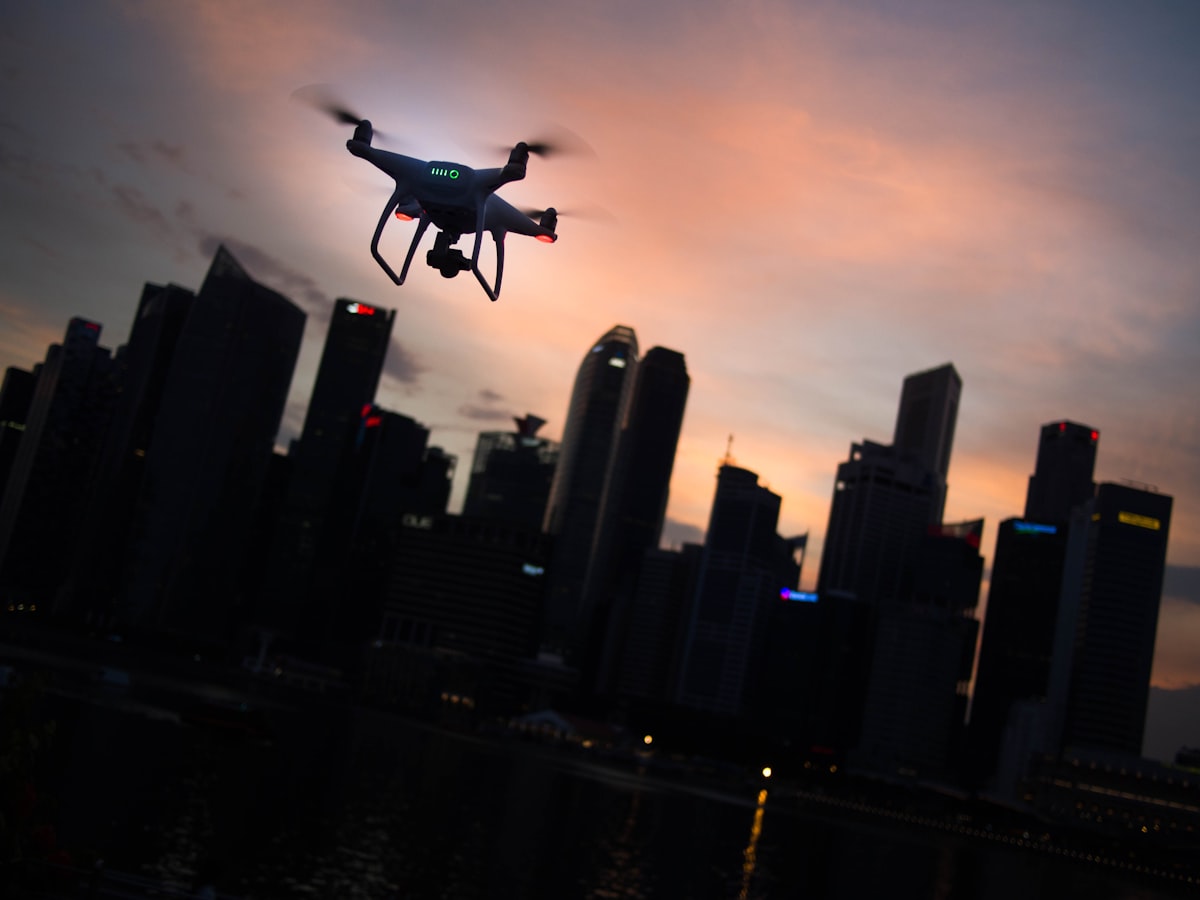
The damage extends far past law enforcement. Hobbyists, professional photographers, farmers, and construction crews all depend on affordable access to capable drones. The American Gas Association, representing energy groups that serve 74 million US residences, told regulators it relies on 55-pound drones with thermal imaging and LiDAR for vegetation management, pipeline inspections, security responses, and disaster recovery.
- The AGA wants at least two years for users to transition away from Chinese drones.
- Without that runway, critical infrastructure work gets stranded with aging fleets and no compliant replacement path.
- The result is either a loss of capability or substantially higher costs passed to local taxpayers.
New York State Police officer Michael W. Deyo suggested the US establish a pathway to exempt state and local police from paying tariffs, or at minimum allow them to import repair components. That's a practical fix. But Hood urged the FCC to apply any federal exemptions to state, local, and tribal government operators that provide key public services, so they aren't left footing the bill for equipment they can't easily source or replace. We've seen this tension before. It can't be ignored. So the two proposals, though different, have a common link: both go after the same bureaucratic bottleneck that holds back first responders.
Protectionism wears a disguise
Mlakar didn’t mince words about what’s really driving this policy. He told reporters the tariffs look more like protectionism than national security, pointing to lobbying by US manufacturers eager to eliminate foreign competition. The timing raises eyebrows. Trump’s sons, Eric and Donald Trump Jr., both hold investments in US drone companies. They’re shareholders and advisory board members of Dominari Holdings, which has put money into Florida-based drone maker Powerus. Don Jr. Also sits on the advisory board of Unusual Machines, a top US manufacturer of drone components. On Thursday, Unusual Machines was among the US drone stocks rallying after the tariffs took effect.
A stock rally for domestic manufacturers doesn't put a thermal drone in the hands of a search and rescue team next week. It can't. And it sure doesn't help a small town afford the equipment that lets firefighters see through smoke or locate a lost child in the woods, because that kind of gear costs real money and budgets don't move on market sentiment alone.
Hood warned that the LiDAR restrictions would achieve the opposite of Trump’s stated goal to protect the safety and security of Americans. Lee made the stakes personal. Thermal-equipped drones locate people who cannot otherwise be seen, assist officers searching large or wooded areas, provide information during dangerous incidents, and identify heat sources. These are not military missions. They are routine public-safety applications intended to protect American citizens.
If the tariffs stand, communities will feel the consequences in the worst possible moments, when minutes matter and the drone that could have found someone is sitting in a budget spreadsheet, unaffordable.
Frequently Asked Questions
What specific drone features trigger the 100 percent tariff imposed by Trump's drone tariff?
The 100 percent tariff applies to imported drones equipped with thermal imaging or weighing more than 55 pounds, according to the article. Smaller drones face a 25 percent tariff, while drones from certain allies like the UK, EU, Japan, and others face 10 to 15 percent tariffs.
Why are public safety officials concerned about the tariff's impact on thermal imaging drones?
Public safety officials say thermal imaging drones are vital for tasks like finding missing persons in the dark or tracking wildfires, but the 100 percent tariff makes them unaffordable for many communities. Scott Mlakar, a leader in the Cleveland area, noted that the price increase would likely put thermal drones out of reach for the communities that need them most, turning them into a luxury item.
How does the article describe the FCC's separate proposal related to drone technology?
The FCC is considering reclassifying a range of common drone technologies as 'military grade,' which could function as a retroactive ban on drones used by businesses and public safety officials. Industry experts warn this could be an 'industry-killing ban,' potentially sweeping in LiDAR sensors, which are safety tools for collision avoidance, not military equipment.
Who is Jason Lee and what argument does he make about domestic drone alternatives?
Jason Lee is a Texas police officer who manages his department's drone program. He argues that no economically viable domestic replacement exists for DJI drones, and that a domestic product isn't a viable substitute unless it is operationally comparable, economically obtainable, supported by an adequate supply chain, and accepted by pilots.
What reason do critics suggest is behind the tariffs, and what evidence do they point to?
Critics like Scott Mlakar suggest the tariffs are protectionism rather than national security, pointing to lobbying by US manufacturers to eliminate foreign competition. The article notes that Trump's sons have investments in US drone companies, and Unusual Machines, a top US manufacturer, rallied in stock after the tariffs took effect.

Alexander Meyer reports on technology policy, privacy law and the growing role of regulation in the digital economy. He tracks how lawmakers respond to a fast-changing industry.
💬 Comments (0)
No comments yet. Be the first!