Texas Flood Victims Rebuild, Then Flood Again
A Texas couple rebuilt after deadly 2025 floods, only to see their home flood again. State rules remain unchanged, allowing rebuilding in risky areas.
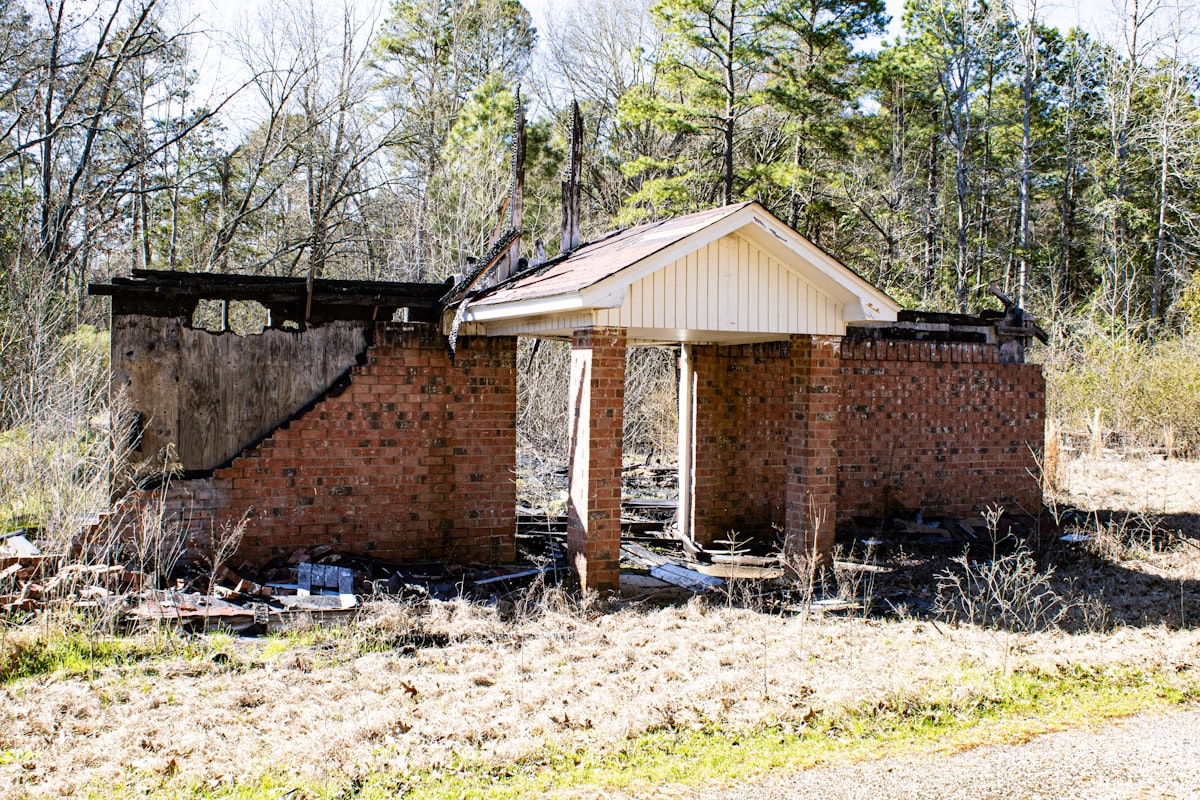
Texas flood victims are living through a nightmare on repeat. Joan Connor, 82, and her husband, 99, swam and waded out of their Texas Hill Country home last July, clinging to a pergola in their front yard as the Guadalupe River swallowed their possessions. The flood killed at least 119 people in Kerr County, about 100 miles west of Austin. They rebuilt. They moved back in by Christmas. Then, last month, almost exactly one year later, their house flooded again.
Connor told me earlier this year: “We don’t think a thing like that will happen again in our lifetime.” She was wrong. And she is not alone.
The Missed Chances Over 60 Years
I cover climate for a Texas newsroom. For months, I worked with colleagues to understand how state lawmakers missed dozens of opportunities over nearly six decades to protect residents in flood-prone places. The reporting, published in May, uncovered key moments when legislators could have taken steps that experts said might have saved lives. They could have prevented homes from being built in the most dangerous spots along rivers. They could have moved youth camp buildings out of harm’s way. They did neither, for the most part.
Texas now ranks behind more than half of all U.S. states have been slower to pass stricter elevation rules for buildings at risk of flooding. That is a damning statistic, especially given the body count. Research shows more flood deaths have occurred in Texas than in any other state.
The Numbers Tell a Grim Story
Texas leads the nation in flood-prone buildings, second only to Florida, according to a nationwide structure analysis. But most of the 2025 Central Texas flood victims died inside those federally mapped danger zones. It's a deadly pattern. The numbers don't lie, and they've marked these homes as high risk for years, yet the question that lingers isn't whether the data was clear, it's why so many people still lived there when the waters rose. So we can't ignore that reality.
I grew up here. I have covered Texas floods for more than a decade. Still, the swift violence of that 2025 disaster struck me in a way nothing had before. The river washed entire homes away. People fought for their lives by grabbing trees or scrambling onto rooftops. Many didn’t make it.
“I’ve never before witnessed such intense grief.”
That grief did not stop some homeowners from wanting to rebuild. People have deep, generational ties to this part of the state, where the normally peaceful river winds through limestone under majestic cypress trees. Jobs, relationships, and a lifetime of memories anchor them here. Selling the land would mean taking a financial loss. Staying feels like the only rational choice, even when it isn’t.
What Lawmakers Did Not Do
Our reporting showed the government has cleared the way for residents to stay in many risky places. It's a decision that follows last year's devastation, yet lawmakers didn't alter how they regulated where RV parks could be built, even though more than 40 people died in two Kerr County RV campgrounds during the flood. But those parks hadn't even reopened when this year's flood rushed through again. That's the whole story.
They also did not change building rules for homes. That means, unless a local city or county government adopts more stringent standards, properties affected by a flood can be fixed without being brought up to code if the repair cost doesn’t amount to half or more of the structure’s value. Homes can be entirely rebuilt in many flood-prone places, so long as they are elevated to the height a 100-year flood is expected to reach.
There was one small victory. Lawmakers did push through legislation requiring youth camp cabins to be moved away from riverside, flood-prone spots. That law only passed after gut-wrenching testimony and advocacy from parents of the 27 campers and counselors who died at Camp Mystic during last summer’s flooding. A similar bill failed in 1989. It took a tragedy to make it law.
Leadership Silence
For our May story, we asked the state’s top leaders whether legislators should enact stricter statewide building rules. None responded. Gov. Greg Abbott’s office said he has addressed flooding issues by funding mitigation projects to lessen the storms’ impact.
This July, unusually intense rainfall pounded the Kerr County area again. It flooded some of the same spots. One person died. The disaster struck as people in the area were still working to heal emotionally, physically, and economically.
I once again arrived to find the familiar sights and smells of people’s possessions piled up by the curb, their flooring and walls ripped out.
Rebuilding, Again and Again
Laura Cane, 65, had just reopened her vacation rental house in Center Point three weeks before this year’s flood hit, and she’d been putting the finishing touches on her two long-term rental homes when the water came roaring in. It’s worse this time. The water this year caused even more damage than last, leaving her with a mess that feels almost insurmountable. But she plans to fix it up again because she sees that as the best financial choice, and she can’t afford to walk away now. So she’ll rebuild.
I arrived in Connor's neighborhood this July, exactly 10 days after the flood, and volunteers had just finished pulling up the damaged flooring in her home. She was desperately trying to save her new piano. It replaced the one she lost in last year's flood. She didn't think the water had reached the piano legs, which sat on wheels, but she couldn't be sure, and the mold worried her deeply. So she was afraid to sleep there.
Connor and her husband say they still plan to repair the house. Federal, state, and county rules will likely allow them to do that. There are no indications yet that the state rules will change. Legislators in interim hearings this year haven’t delved into these bigger development issues, instead focusing on things like the personal responsibility of the Camp Mystic owners.
She’s exhausted from another flood. But moving elsewhere felt like a step too far for Connor. She didn’t want to hunt for a new place, pack up, and leave, not after everything they’d already poured into this home. So for a short time, she and her husband went to a nearby RV park, different from the two where they stayed last year while making home repairs, because both of those had flooded this time around. It's a temporary fix. They can't keep doing this.
She wants to stay even though a neighbor warned her that the house could face bad flooding again. Connor believes her.
“We’ll just probably be very cautious if it starts raining in the middle of the night,” she said. “We’ll be hauling ass. I’m not going to live through another flood. I’m just going to get in my truck and head north.”
Her husband, David Stearns, put it more simply: “Whatever happens, we’ll put up with it.”
That resignation is the real tragedy. Texas flood victims shouldn’t have to put up with this. The state had decades to act. It didn’t. And now the water keeps coming.
Frequently Asked Questions
What happened to Joan Connor and her husband during the July flood in Kerr County?
Joan Connor, aged 82, and her husband, aged 99, had to swim and wade out of their Texas Hill Country home, clinging to a pergola in their front yard as the Guadalupe River flooded their property. The flood killed at least 119 people in Kerr County, and they rebuilt and moved back in by Christmas, only for their house to flood again almost exactly one year later.
Why did some homeowners decide to rebuild in flood-prone areas despite the risk?
Homeowners have deep, generational ties to the area, with jobs, relationships, and lifetime memories anchoring them there. Selling the land would mean taking a financial loss, so staying feels like the only rational choice even when it isn't.
What specific legislative action did lawmakers take regarding youth camp cabins?
Lawmakers passed legislation requiring youth camp cabins to be moved away from riverside, flood-prone spots. This law only passed after advocacy from parents of the 27 campers and counselors who died at Camp Mystic during the summer flooding, and a similar bill had failed in 1989.
How did state leaders respond to questions about stricter statewide building rules?
The state's top leaders did not respond to inquiries about whether legislators should enact stricter statewide building rules. Governor Greg Abbott's office said he has addressed flooding issues by funding mitigation projects to lessen the storms' impact.
What was the outcome of the second flood for Laura Cane and her rental properties?
Laura Cane had just reopened her vacation rental house and was finishing two long-term rental homes when the second flood hit, causing even more damage than last year. Despite the mess, she plans to fix it up again because she sees it as the best financial choice and can't afford to walk away now.

Valerie Dubois covers public policy and regulation, with a focus on how decisions made by governments affect technology and society. She follows the debates that shape the rules we all live by.
💬 Comments (0)
No comments yet. Be the first!