Tennessee Builds 256-Bed Youth Prisons as States Close Facilities
Tennessee budgeted $360 million for two new youth prisons with up to 256 beds, even as states close facilities and juvenile crime falls.
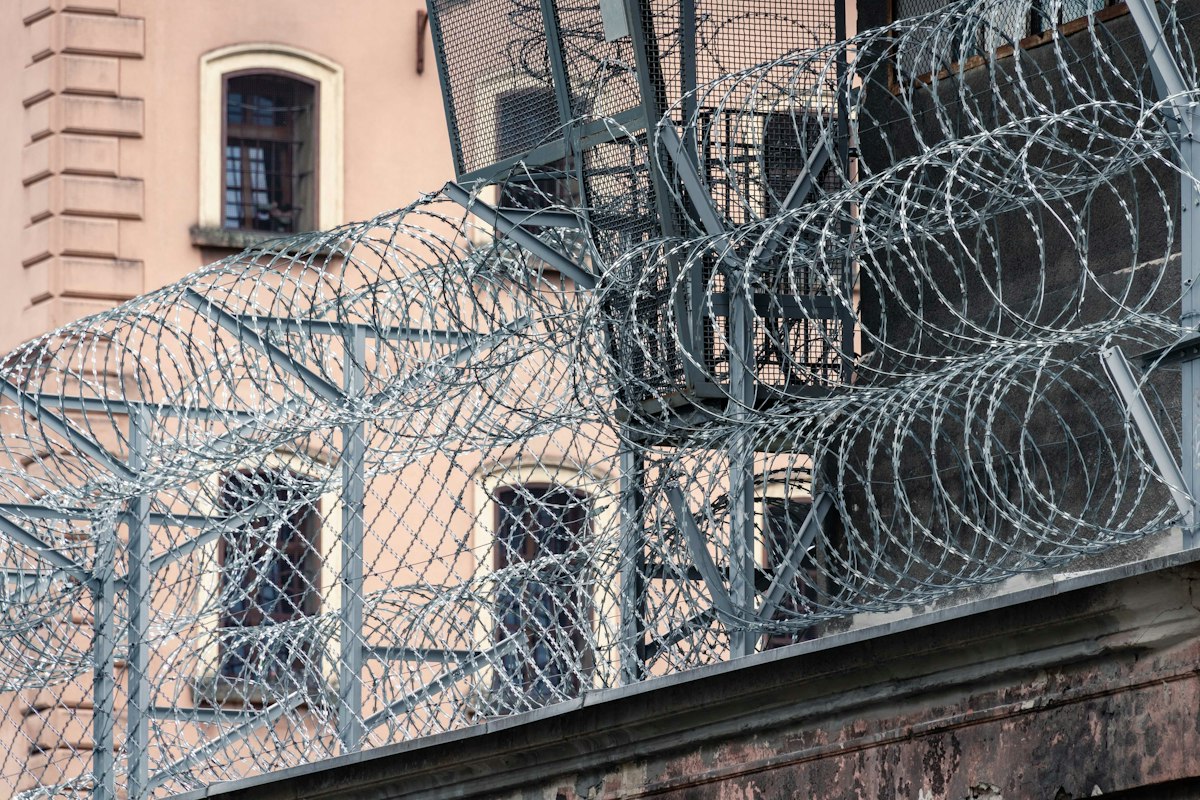
Tennessee youth prisons expand as other states retreat
Tennessee youth prisons are about to get bigger. That's the plan. Meanwhile, the rest of the country moves in the opposite direction, and it's a move that raises plenty of questions about where this state is headed and why it's choosing this path now. The state's Department of Children's Services has budgeted $360 million to build two new facilities with a combined capacity of up to 256 beds for youth. Construction is scheduled to begin this fall, with the doors expected to open in 2028 and 2029. So they're building. We've got the numbers, and they don't lie.
The timing is what makes this so striking. From 2000 to 2022, the number of the highest-security facilities for kids nationwide dropped by more than 40 percent, according to the most recent federal data. States have been closing these places as juvenile crime has fallen and research has piled up showing the facilities do not keep youth out of trouble after they are released. Tennessee is walking the other way.
Why the state says it needs more beds
Tennessee officials say there just isn't enough room. They're talking about kids whom courts have found committed crimes, and the state agency has held dozens of teens overnight in temporary places, including, at one point, office buildings, because the beds simply aren't there. The department, in an emailed response to reporters, blamed the shortage on several factors, among them teens' needs for specific mental health services and temporary staffing issues at its facilities. And it said national trends don't determine whether Tennessee has enough youth beds.
To justify the expansion, the department points to a recent state-commissioned study showing that police reports of violent juvenile crimes, including murder, aggravated assault, motor vehicle theft and crimes involving firearms, have risen since 2013. That sounds alarming. But not every report leads to an arrest, for reasons that have nothing to do with crime rates. Multiple people might call police about the same incident, for example.
The same study shows that the number of kids arrested and entering the system, even for violent crime, has actually declined over that period. Murder was the only violent crime in the report for which arrests went up, from 15 cases in 2013 to 26 in 2024. That figure is still below its peak in 2018.
"The argument that's made is that [juvenile crime is] worse than ever, right? Or the kids are out of control. The data doesn't back that up."
That's Josh Rovner. He's a senior research analyst with The Sentencing Project, a nonprofit research and advocacy group that works to reduce incarceration across the country, and his point cuts to the heart of the debate because the narrative of out-of-control youth, the one we've all heard again and again, does not match what the numbers actually show. And they don't.
The capacity problem inside the system
Tennessee oversees facilities for kids in the justice system. They range from group homes to prisons ringed by barbed wire. Department leaders told a state hearing that the agency has hit maximum capacity and run out of beds in its high-security facilities, which means the system that's supposed to hold young people who get arrested can't take any more of them right now. And the department has also said the number of youth needing a particular type of placement can stay high day to day even as overall arrests fall. That's the squeeze. They're out of room.
In a 2024 lawsuit over Tennessee's juvenile justice system, advocates argued the state is not properly using the bed space it already has, placing kids in the highest-security facilities without weighing their need for mental health treatment and other services. Because of juvenile privacy laws, no public data shows what charges land youth in which setting. The department acknowledged it sometimes places youth based on capacity but denied improperly holding youth in the highest-security facilities. The case is ongoing.
Rehabilitation promises meet hard realities
Tennessee has promised its new youth prisons will be rehabilitative. The department says it is designing the facilities to address trauma youth have experienced, including behavioral health treatment tailored to individual needs. The plans include dedicated spaces for education, job training and recreation, plus rooms for mental health staff, including "calming rooms" for youth. The agency describes its existing prisons the same way.

Experts say the size alone makes that mission nearly impossible. Daniel Macallair has worked on juvenile justice reform for more than 40 years, and he's the executive director of the Center on Juvenile and Criminal Justice. Any facility with more than 10 kids, he says, becomes unwieldy, distracting from rehabilitation and drifting toward pure correctional management. That's the problem. But one of the planned Tennessee facilities would hold up to 160 beds, which means it would be the largest in the state, and you don't need to be an expert to see what that number does to the idea of rehabilitation.
"These institutions are not humane places. They're not rehabilitative. They never have been."
Research backs up the concern about scale. Larger facilities tend to involve harsher treatment of youth, including higher rates of sexual abuse and practices such as solitary confinement. The programs that have actually proven to help youth avoid future crimes, Macallair says, are small and rooted in the communities the kids come from. Missouri offers a nationally praised model: small facilities spread across the state that keep youth close to home for therapeutic programs, even those who commit violent crimes. Research shows these community-based programs are more effective and more affordable, with low reoffending rates and high rates of high school graduation.
The department says it does provide community-based services. For youth, that is, who can safely stay home, and it's a claim the department holds to even as the numbers tell a different story. But Tennessee data shows the vast majority of youth in the system were not allowed to remain in their communities last year, and that's a fact they're not disputing. They can't.
Who runs the prisons
Jason Crews runs them. All three of the state's highest-security youth prisons are run by Tennessee businessman Jason Crews and his company, Wayne Halfway House. That's the setup. And under its contract and state policy, the company must provide mental health treatment, education and other services to imprisoned youth, the kind of care that's supposed to reach every one of them even though they're locked up.
The 2024 lawsuit painted a darker picture. An advocacy group filed it. So did multiple unnamed youth in the system. They argued the department places youth in facilities that are more punitive than rehabilitative, and that some teens in prison should not be there at all, a claim that strikes at the core of what juvenile justice is supposed to mean. It claimed the state's juvenile justice facilities keep youth from accessing education and mental health treatment. According to the suit, two Wayne Halfway House facilities had policies barring youth from attending school if they misbehaved. One teen, diagnosed with post-traumatic stress disorder, anxiety and other conditions, did not receive needed individual therapy for months while in a Crews facility and got only a couple of hours of education each day, the lawsuit stated.
The department responded in a legal filing that it did not have enough information to address all the specific allegations about individual youth, but it pushed back on many claims, including that youth received inadequate education or mental health treatment. It denied the teen in the Crews prison was kept from therapy or education, though it did acknowledge some youth may temporarily "receive minimal educational services." Wayne Halfway House said it disputes the allegations and referred reporters to state audits and reports it says refute them. It declined to share the specific documents. "Wayne Halfway House programs are compliant with state policies and law," the company wrote.
The oversight gap
The state has one agency that helps families navigate the system but lacks enforcement power, plus a new Juvenile Justice Review Commission that will not release its first recommendations until 2028.
What comes next
Construction starts this fall. That's the plan for the two new Tennessee youth prisons. And so the central question, whether these facilities actually rehabilitate anyone, may remain unanswered long after the buildings open, because the state is moving ahead regardless of what the research says, and nobody's promising they're going to wait for an answer before they turn the keys. It's a question we've asked before. It cannot be settled by anything that breaks new ground.
Frequently Asked Questions
How much is Tennessee budgeting for its new youth prisons, and how many beds will they provide?
The state's Department of Children's Services has budgeted $360 million to build two new facilities. Together, these facilities will have a combined capacity of up to 256 beds for youth.
When is construction scheduled to begin, and when are the new facilities expected to open?
Construction is scheduled to begin this fall. The doors are expected to open in 2028 and 2029.
Why does Tennessee say it needs more youth beds?
Tennessee officials say there just isn't enough room, and the state agency has held dozens of teens overnight in temporary places, including office buildings, because the beds aren't there. The department blamed the shortage on factors including teens' needs for specific mental health services and temporary staffing issues at its facilities.
What does the article say about the national trend in high-security facilities for kids from 2000 to 2022?
From 2000 to 2022, the number of the highest-security facilities for kids nationwide dropped by more than 40 percent, according to the most recent federal data. States have been closing these places as juvenile crime has fallen and research has piled up showing the facilities do not keep youth out of trouble after they are released.
Who runs Tennessee's three highest-security youth prisons?
All three of the state's highest-security youth prisons are run by Tennessee businessman Jason Crews and his company, Wayne Halfway House. Under its contract and state policy, the company must provide mental health treatment, education and other services to imprisoned youth.

Valerie Dubois covers public policy and regulation, with a focus on how decisions made by governments affect technology and society. She follows the debates that shape the rules we all live by.
💬 Comments (0)
No comments yet. Be the first!