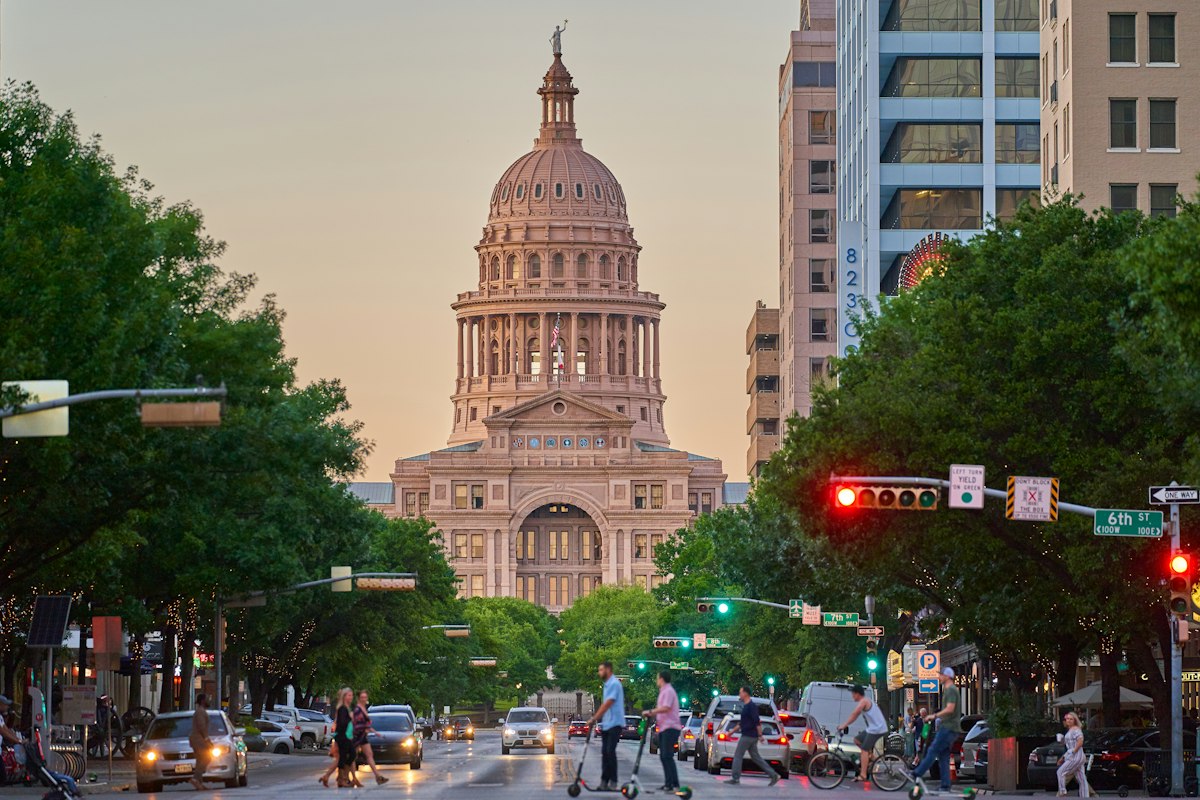
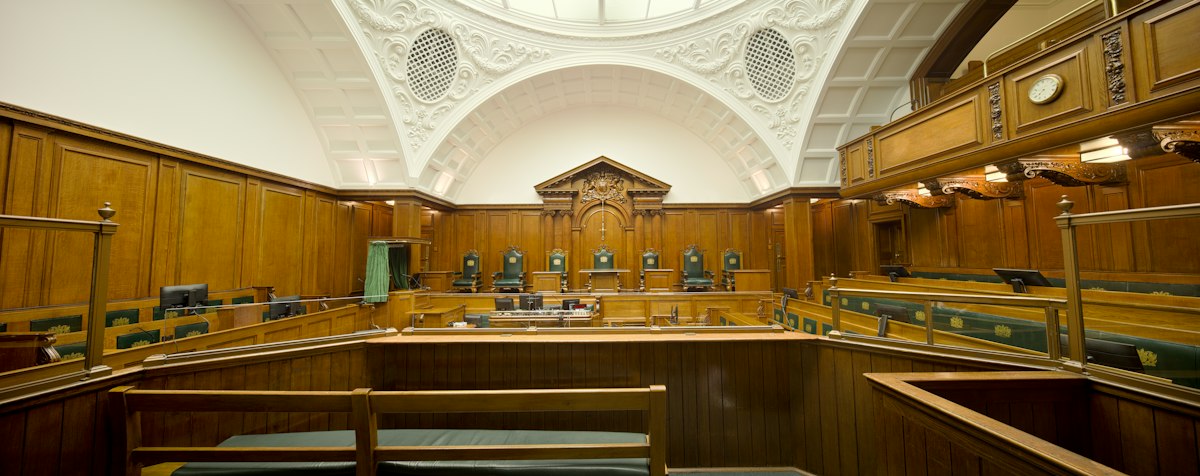
Greater Manchester mayoral election candidates
Voters head to the polls this Thursday to elect a new mayor for Greater Manchester following Andy Burnham's recent resignation.
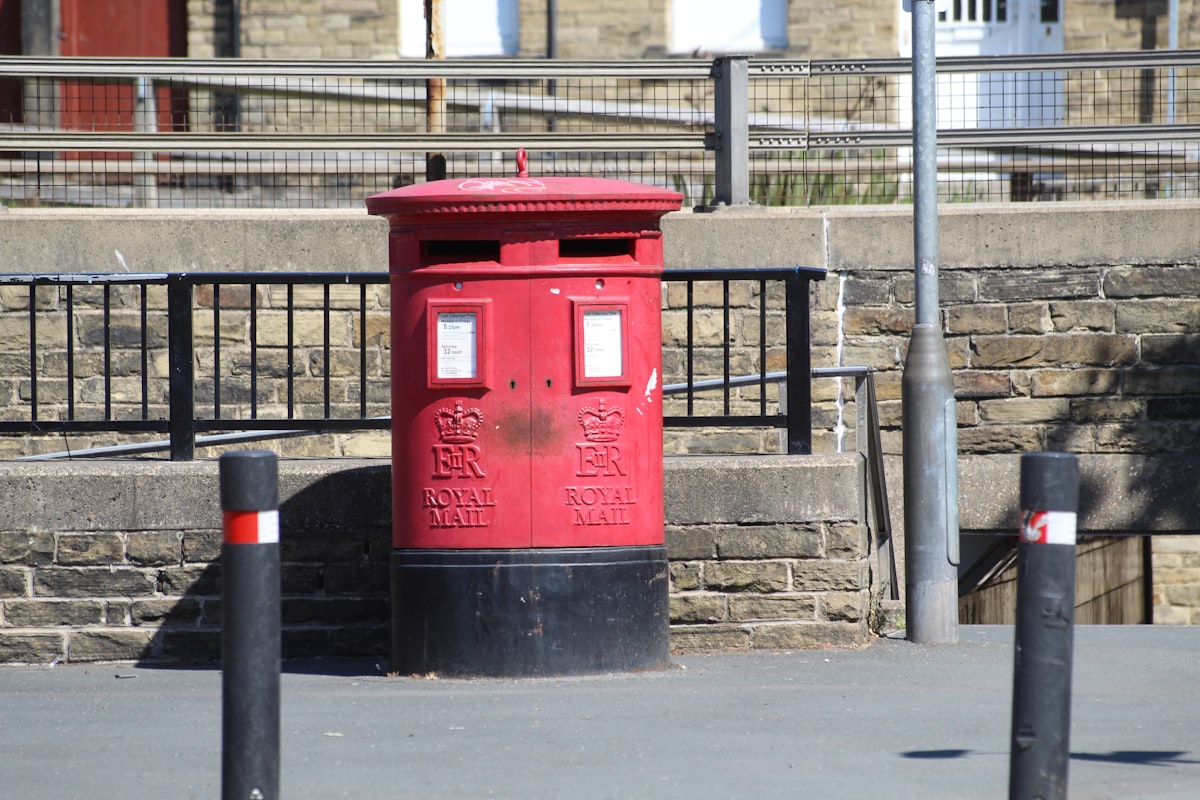
Greater Manchester mayoral election looms for voters
Greater Manchester mayoral election candidates are preparing for a vote this Thursday as the region decides who will lead one of the most powerful offices in English politics, ranking behind only the prime minister and the mayor of London in terms of influence. It's a big deal. And the upcoming vote follows the recent departure of the former incumbent, who moved to a role in Downing Street after a successful bid in the Makerfield by-election.
The shifting political landscape
Bev Craig carries the Labour banner in this race. She's the leader of Manchester City Council, and it's a tough job because she faces the unique challenge of maintaining support across ten distinct boroughs, a task that requires balancing very different political leanings even though her party has historically found success in the area. But during the 2016 referendum, eight of the ten boroughs voted to leave the European Union. That trend suggests potential openings for other political groups.
Craig steps into a position defined by high expectations. The current candidate has led the city council since 2021, and her performance in the upcoming election will signal whether she can replicate the personal appeal that allowed the previous mayor to outperform his own party, even winning in boroughs traditionally held by political rivals.
Reform UK and the search for momentum
Reform UK enters the contest with ambitions built on a year of national polling strength and local successes. But victory is far from guaranteed. Recent by-election results within the region have stalled their progress, and observers note the party faces pressure from other movements for the right-leaning vote, which complicates their efforts to capture floating voters.
The national conversation surrounding party leadership introduces a layer of uncertainty. It's a tough spot. As the party deals with scrutiny regarding financial matters, their standing in opinion polls has shown signs of softening, creating a difficult climate for a movement attempting to present itself as a government-in-waiting.
The field of contenders
Voters have a wide range of options to consider when they head to the ballot box. The candidates running for the position are:
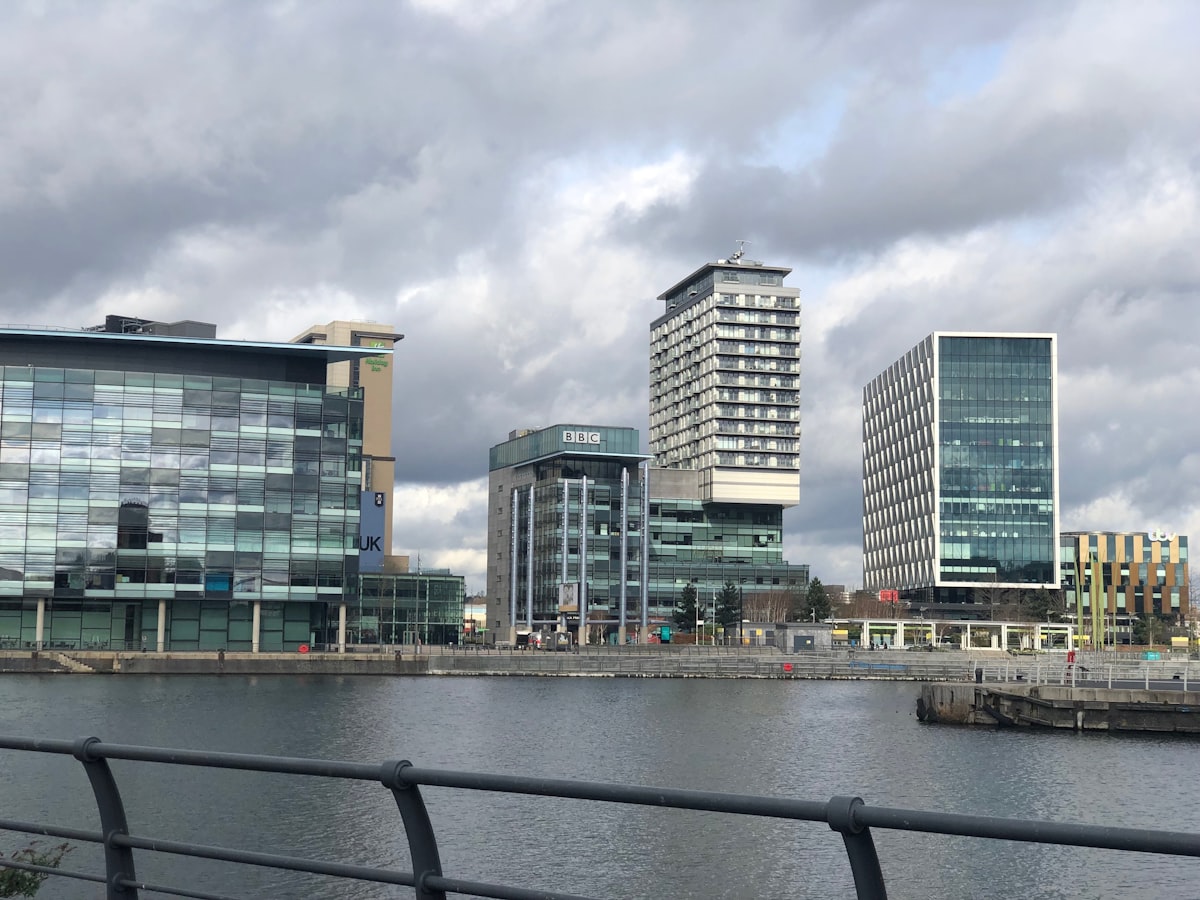
- Sian Astley, Reform UK
- Geraldine Coggins, Green Party
- Bev Craig, Labour
- Phil Eckersley, Conservative
- Marcus Farmer, Independent
- Richard Kilpatrick, Liberal Democrats
- Marlon West, Restore Britain
Policy legacies and voter sentiment
The outgoing administration left a record that even political opponents seem hesitant to dismantle entirely. But potential for public frustration persists. Projects like transport network reforms and investments in towns such as Altrincham and Stockport remain popular, yet that frustration concerns specific historical controversies, including issues with grooming gangs and unpopular past proposals for a congestion charge.
The question of change
Labour must face a tough reality. The electorate might simply want a new direction, and losing what's considered a geographical heartland would serve as an early challenge for Andy Burnham so early in his premiership. But some supporters argue he possessed a rare ability to connect with areas that typically remain outside his party's reach.
Greens and the protest vote
The Green Party won in Gorton and Denton. But success in these recent local contests shows that voters are willing to look beyond the main two parties, reflecting dissatisfaction among traditional voters who were unhappy with the direction of the Labour Party under Sir Keir Starmer. So the question is whether those supporters will return to back the current Labour candidate.
The race remains a test of how much the personal brand of a candidate can overcome broader party trends.
The final hours tick away. But now, all eyes turn to the residents of the ten boroughs whose votes will decide who's in charge by Friday morning, revealing if the city region's political map is undergoing a permanent realignment or if its long-held foundations will hold firm.
Frequently Asked Questions
What is the significance of the Greater Manchester mayoral election?
The Greater Manchester mayoral election is important because the office is one of the most powerful in English politics, ranking behind only the prime minister and the mayor of London in influence. The election follows the departure of the former incumbent, who moved to a role in Downing Street after winning the Makerfield by-election.
Who is the Labour candidate and what challenge does she face?
The Labour candidate is Bev Craig, the leader of Manchester City Council. She faces the unique challenge of maintaining support across ten distinct boroughs, which have very different political leanings, even though Labour has historically found success in the area.
Why might Reform UK face difficulties in the election?
Reform UK faces pressure from other movements for the right-leaning vote, complicating efforts to capture floating voters. Additionally, recent by-election results within the region have stalled their progress, and scrutiny regarding financial matters has softened their standing in opinion polls.
What is a potential source of voter frustration mentioned in the article?
Voter frustration concerns specific historical controversies, including issues with grooming gangs and unpopular past proposals for a congestion charge. However, projects like transport network reforms and investments in towns such as Altrincham and Stockport remain popular.
What does the Green Party's success in recent local contests indicate?
The Green Party's success in Gorton and Denton shows that voters are willing to look beyond the main two parties. This reflects dissatisfaction among traditional voters who were unhappy with the direction of the Labour Party under Sir Keir Starmer.
Alexander Meyer reports on technology policy, privacy law and the growing role of regulation in the digital economy. He tracks how lawmakers respond to a fast-changing industry.
💬 Comments (0)
No comments yet. Be the first!