Colorado marijuana company recalls contaminated vape products
A Colorado marijuana company recalls contaminated products, voluntarily pulling 49 vape items after a lab detected methylene chloride, as state testing rules remain delayed.
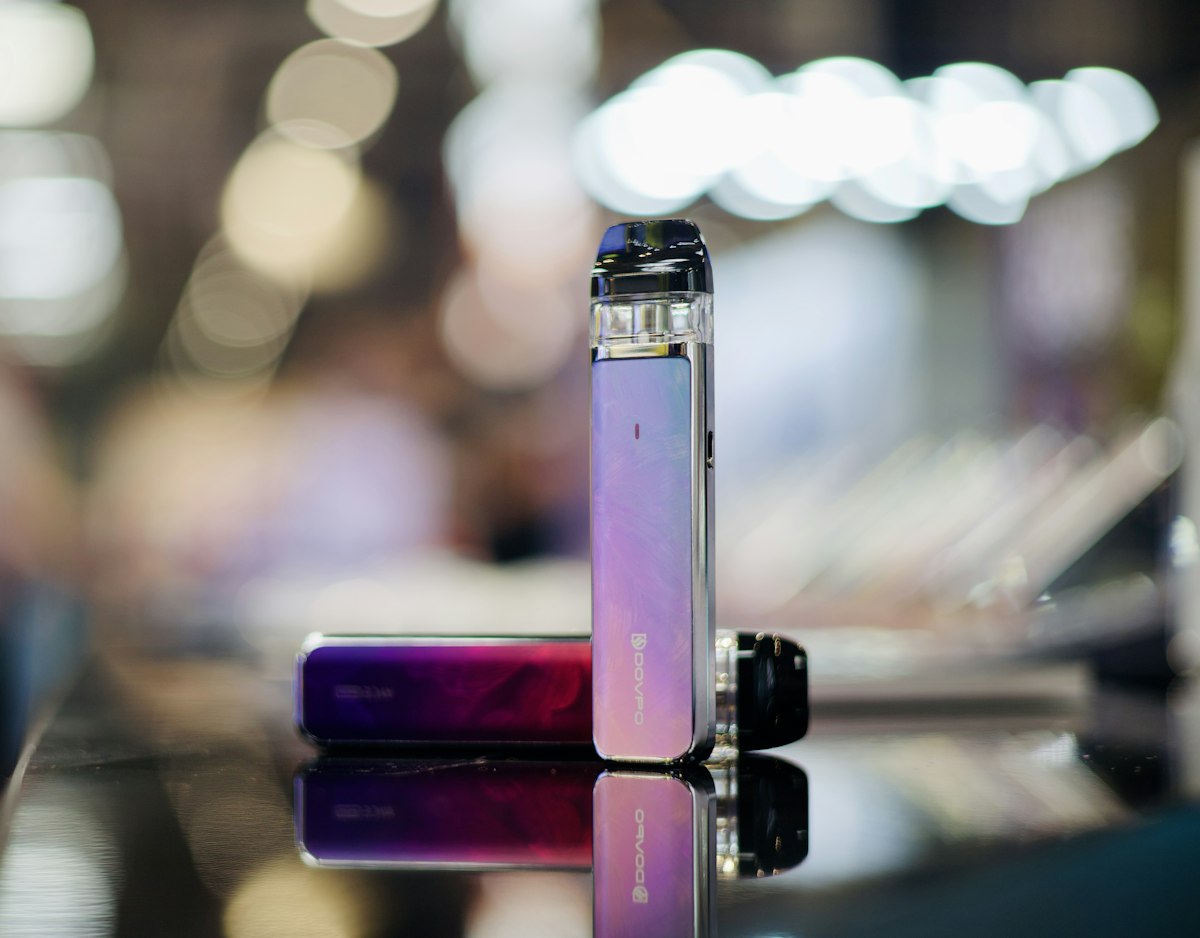
Colorado marijuana company recalls contaminated products after a Pueblo County manufacturer told dispensaries it was pulling dozens of vape items off shelves because of a cancer-causing solvent, a move that arrived weeks after a private lab flagged the danger and months after the state was supposed to require testing that would have caught it.
What StayCon Told Dispensaries
StayCon voluntarily flagged 49 products for recall. It does business as Craft. The products included vapes sold under the brand names Maui Wowie and Grape Gorilla. And some of those items had been sitting on dispensary shelves for more than a year and a half, a full eighteen months of quiet inaction, before the company finally acted. That's a long time.
The notice pointed to a "botanically-derived" flavoring compound used in the vapes. That's the contamination source. That compound contained methylene chloride, a chemical the Environmental Protection Agency has moved to ban for most uses because it can cause cancer, and it's also used, in practical terms, to strip paint.
StayCon did not answer questions about the recall. The company is based in Pueblo County.
A Lab Found It First
David Mathis runs Bona Fides Laboratory, a Denver operation that detected the methylene chloride in August during routine testing for other contaminants like pesticides and mold. He said he notified both the state and StayCon right away.
That was six weeks before the company issued its recall.
"How many samples were not tested but have contaminants in them and were passed to the public?" Mathis said.
He also criticized regulators for sitting on expanded testing rules his lab had been ready to run since the start of July.
The Testing Rule That Never Arrived
A broader testing protocol covering methylene chloride and 30 other solvents was supposed to take effect in July, roughly three months before StayCon warned dispensaries. It still has not launched. The rule was designed to bring Colorado in line with standards already in place in 24 of the 43 states with regulated marijuana markets.
A spokesperson for the Marijuana Enforcement Division said the state public health department, which reviews labs and recommends their certification, asked for more time. Implementation is now set to begin at the end of this month.
Kyle Boyd, a spokesperson for the division, told reporters the agency "does not comment on investigations" when asked why the recall has not been made public. Colorado has yet to issue its own consumer alert.
Where the Chemical Comes From
Methylene chloride can be used to cheaply synthesize hemp into THC, the psychoactive compound that gets people high. That chemically converted hemp is then falsely labeled and sold as marijuana products. State law bans the conversion process and prohibits manufacturers from using the chemical. The EPA banned it for most uses in 2024, though the U.S. Court of Appeals for the 5th Circuit struck down that ban this month and sent the matter back to the agency for further review.
A Pattern of Quiet Shelves
This recall does not stand alone. Regulatory loopholes in Colorado have allowed contaminated marijuana products that pose health risks to keep selling for months, sometimes years. Regulators have been slow to warn the public even after receiving reports of consumer harm.
Earlier reporting also examined the dangers of methylene chloride as part of a broader look at Colorado's failure to adopt rules other states use to keep intoxicating hemp products off marijuana shelves. In January, tests found signs of hemp in vapes sold at dispensaries. By April, state regulators announced a plan to crack down on companies illegally selling cheaper and potentially hazardous hemp as marijuana, citing tax avoidance and "serious risks to public safety." In May, a top enforcement official acknowledged in a meeting with industry representatives that the volume of chemically converted hemp being sold as marijuana was greater than the agency had publicly disclosed.
The Sampling Loophole Stays Open
New testing protocols are almost here. But the state won't close a related gap. That gap is old. It's still open. Manufacturers still pick the samples labs test. They also pick the labs. In January, regulators floated a plan to make lab personnel collect samples themselves, a move that would have closed a gap the state has long left open. They dropped it. Top manufacturers said it'd cost too much.
- 49 products recalled by StayCon, doing business as Craft
- Brand names affected include Maui Wowie and Grape Gorilla
- Some recalled items sat on shelves more than 18 months
- Methylene chloride detected in August by Bona Fides Laboratory
- Expanded testing for 31 solvents originally set for July
FAQ: What the Recall Leaves Unanswered
Why did a Colorado marijuana company recall contaminated products? StayCon pulled 49 vape items after Bona Fides Laboratory found methylene chloride in a botanically-derived flavoring compound used in brands like Maui Wowie and Grape Gorilla.
When did the state know? The lab notified regulators and the company in August, six weeks before the recall notice reached dispensaries. Colorado has still not issued a consumer alert.
Why did the expanded testing rule stall? A protocol covering methylene chloride and 30 other solvents was set for July. The state public health department asked for more time, and implementation is now slated for the end of this month.
For dispensary customers who bought these vapes, the practical picture is murky. There is no state alert, no public list beyond the notice sent to retailers, and no clear guidance on what to do with a product that may have been purchased well over a year ago. The lab that found the problem did its job. The company eventually did too. What remains unanswered is why the warning took six weeks to travel from a Denver lab bench to a dispensary counter, and why the state that regulates the market still has not spoken to the people who inhaled the results.
Frequently Asked Questions
Which Colorado marijuana company issued the recall of contaminated products?
A licensed Colorado marijuana company voluntarily recalled dozens of its products after testing revealed contamination. The recall was self-initiated rather than ordered by state regulators.
What types of contamination were found in the recalled marijuana products?
Testing detected contaminants such as mold, pesticides, or harmful microbes in the affected batches. Specific contaminants varied across the dozens of products pulled from shelves.
Why did the company recall the products voluntarily instead of waiting for state action?
The company chose to act on its own amid state regulatory delays in addressing the contamination concerns. Voluntary recalls are often used to protect consumers while formal investigations proceed.
What should consumers do if they purchased any of the recalled Colorado marijuana products?
Consumers should stop using the products immediately and check the recall notice for specific batch numbers and product names. They can typically return items to the dispensary for a refund or exchange.
How do state regulatory delays affect marijuana product safety in Colorado?
Regulatory delays can allow contaminated products to remain on shelves longer, increasing consumer risk. Voluntary recalls help fill the gap but highlight the need for faster state oversight.

Valerie Dubois covers public policy and regulation, with a focus on how decisions made by governments affect technology and society. She follows the debates that shape the rules we all live by.
💬 Comments (0)
No comments yet. Be the first!