8 Ways Shenmue Led to the Creation of Yakuza
Shenmue arrived on December 29, 1999. Here are 8 ways the Dreamcast classic led directly to the creation of Yakuza years later.
Shenmue led to Yakuza. That link is baked into both franchises. And the throughline runs straight through one man. Yu Suzuki joined Sega in 1983, and he built some of the company's most iconic arcade games before turning his attention to something bigger, something he'd been chasing for years. By the mid-1990s he wanted to fuse arcade-level visuals with an RPG. So in 1996, development began on Virtua Fighter RPG: Akira's Story. That project eventually became Shenmue, which Sega and developer AM2 released for the Dreamcast on December 29, 1999.
Toshihiro Nagoshi was right there beside him. Nagoshi was a major part of Shenmue's development team, and when production delays piled up, he left to form his own team. Six months later, Sega brought him back to help push the game across the finish line. What he saw in the concept stuck with him. The ideas he absorbed on Shenmue would go on to power his own vision, and six years later he released Yakuza, the franchise that defined his career for nearly two decades.
Pace Was the Great Divider
Shenmue moved slowly. That was its most polarizing quality. Every system was designed to emulate an honest, living world, and that deliberate rhythm worked for plenty of players who didn't mind the pace. Yakuza kept a similarly deliberate structure on the surface, but underneath it runs at a blazing speed by comparison. The clearest split is combat. Shenmue's fights were prolonged, almost cinematic encounters, while Yakuza is nearly always in some sort of physical motion. Switch directly between the two and the whiplash is real.
Side Content Became the Main Attraction
Wander through Shenmue and it's easy to get lost in the optional activities. Arcades. Conversations with locals. Simple exploration. Revenge can wait when there's a high score to beat in Space Harrier. And Nagoshi took that instinct, that same urge to chase a distraction instead of the main quest, and pushed it to eleven. It's that simple.
From Distraction to Destination
Yakuza is stuffed with side quests. Optional stories pile up until the volume feels almost unlimited. Some of those side stories, the ones tucked away behind a counter or a phone call, have turned out to be the most compelling adventures the series has to offer. The writing swings from comedy to action. A few land with genuine emotional weight. No two feel alike. That's exactly the point, and it's why you can't predict what's coming next.
The Budget That Sank a Dream
Money killed Shenmue. It's probably the single biggest reason the series faded in the early 2000s, and when you look at what the first game cost, with estimates pegged anywhere from 50 million to 70 million depending on who is counting, those inflated figures made a sequel-by-sequel future impossible. Nagoshi's role in getting the game finished endeared him to Sega. That likely explains his freedom on Yakuza. He repaid that trust by keeping budgets from ballooning and production from spiraling.

Yakuza has become the multipart saga that Shenmue was attempting to innovate.
That discipline outlasted Nagoshi himself. He left in 2021. And still the series kept to the same path, because Sega learned from every mistake Shenmue made, every reused asset and every pipeline choice that favors quality over quantity, turning Yakuza into the long-running saga Shenmue never got to be. It's the saga they're still building.
One Formula, Sharpened
Shenmue's recipe was simple on paper: build a living world, then tell a cinematic story inside it. Brilliant, and still influential. Yakuza refined it. Where Shenmue leaned on a revenge plot, Yakuza followed a single character through multiple stages of his life. Where Shenmue stumbled into unintentional humor, Yakuza embraced being absolutely unhinged at a moment's notice.
The Tonal Tightrope
Yakuza switches modes mid-scene. That's the real trick. It's something Shenmue struggled to manage, because comedy, action and melodrama coexist without clashing here, and few franchises can pull that off, though Nagoshi learned the balance on Shenmue. So they're not fighting each other.
Small Maps, Enormous Detail
Yokosuka is tiny. It's minuscule next to other open worlds, smaller than some of Shenmue's own contemporaries, and yet it never felt bloated, because what it felt like, more than anything else, was your neighborhood. Nagoshi replicated that density in Yakuza. But the outcome changed. Kamurocho doesn't feel like a neighborhood, it feels like a city, rendered with the most ridiculous, brilliant level of detail imaginable, and it's smaller than its peers yet incredibly dense and packed. NPCs, signage, buildings. All of it looks and feels real. It's as close as one can get to visiting Japan without going.
The Hardware Underneath It All
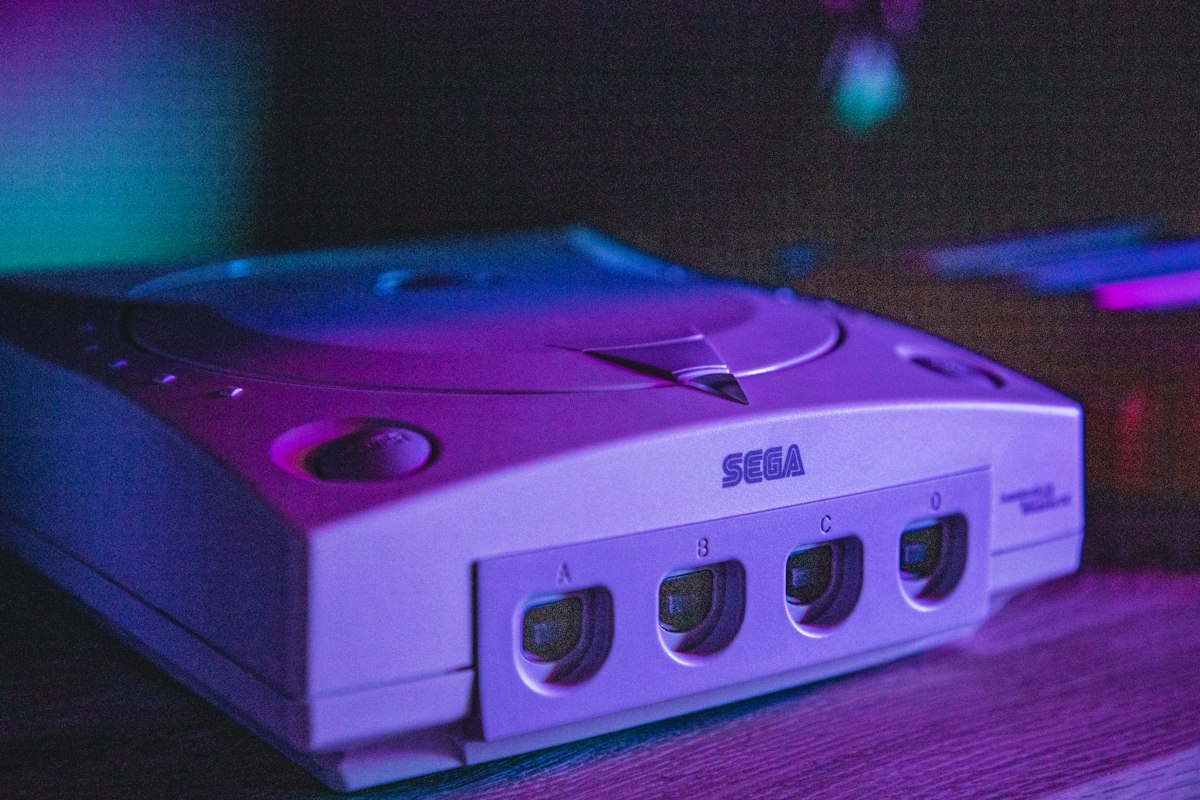
2. The Dreamcast's architecture leaned heavily on NAOMI, Sega's advanced arcade board first released in 1998. A successor to the equally impressive Model 3, NAOMI was a marvel of innovation, and it is why Shenmue could output the visuals it did. The way a character's eyes feel like they hold genuine life is a big part of what made the story land.
Yakuza benefited from the same corporate obsession. Sega kept its grip on new, impressive graphics hardware, and the Dragon Engine became the culmination of that push, producing some of the most beautiful games Sega has ever made. Shenmue's chase of high-end visuals paid major dividends for Nagoshi and his team.
The Quiet Moments That Lasted
Shenmue gets remembered for a simplistic revenge plot, but the true allure was always everything around it. Quiet moments. Slice of life storytelling. Talking to a little girl about a cat. Learning a family member is having a hard time. Small beats that make all the difference.
Emotion Over Exposition
Nagoshi built a world. It lent itself to the same modality. From the outside, the first Yakuza looks like a straightforward action story, but the real emotion lives in intimate moments between characters. Over time the series developed one of the most gripping, emotionally resonant ongoing stories in games, the kind that pulls you forward because you can't stop caring about the people inside it. Following Kazuma's journey is a serious commitment. And it's one of the most rewarding things you can experience. His relationships, struggles and victories feel like the best moments of Shenmue gathered into one place.
Shenmue led to the creation of Yakuza through shared people, shared technology and shared instincts, even as the two series diverged on pace, budget and tone. One faded. The other became a saga. Both trace back to the winter of 1999.
Frequently Asked Questions
Who was the key figure connecting Shenmue to the creation of Yakuza, and what was his role in both projects?
Toshihiro Nagoshi was a major part of Shenmue's development team and later released Yakuza, the franchise that defined his career for nearly two decades. After production delays piled up, he left to form his own team, but six months later Sega brought him back to help push Shenmue across the finish line. The ideas he absorbed on Shenmue would go on to power his own vision.
How did the pace of Shenmue differ from that of Yakuza, according to the article?
Shenmue moved slowly, and that was its most polarizing quality; every system was designed to emulate an honest, living world. Yakuza kept a similarly deliberate structure on the surface, but underneath it runs at a blazing speed by comparison. The clearest split is combat, as Shenmue's fights were prolonged, almost cinematic encounters, while Yakuza is nearly always in some sort of physical motion.
Why did money kill Shenmue, and how did Nagoshi's approach to budgets affect Yakuza's future?
Money killed Shenmue; the first game cost estimates pegged anywhere from 50 million to 70 million, and those inflated figures made a sequel-by-sequel future impossible. Nagoshi's role in getting the game finished endeared him to Sega, which likely explains his freedom on Yakuza. He repaid that trust by keeping budgets from ballooning and production from spiraling, and that discipline outlasted Nagoshi himself after he left in 2021.
What role did Sega's graphics hardware, such as the Dreamcast's architecture and NAOMI, play in both Shenmue and Yakuza?
The Dreamcast's architecture leaned heavily on NAOMI, Sega's advanced arcade board first released in 1998, a successor to the equally impressive Model 3, and it is why Shenmue could output the visuals it did. Yakuza benefited from the same corporate obsession, as Sega kept its grip on new, impressive graphics hardware. The Dragon Engine became the culmination of that push, producing some of the most beautiful games Sega has ever made.
How did Shenmue's small, dense map design and quiet slice-of-life moments influence Yakuza's world and storytelling?
Yokosuka is tiny and minuscule next to other open worlds, yet it never felt bloated because it felt like your neighborhood, and Nagoshi replicated that density in Yakuza. Kamurocho doesn't feel like a neighborhood but like a city, rendered with the most ridiculous, brilliant level of detail imaginable. Shenmue's true allure was always everything around its simplistic revenge plot, such as quiet moments and slice-of-life storytelling, and the real emotion in Yakuza lives in intimate moments between characters.
💬 Comments (0)
No comments yet. Be the first!