Tides of Annihilation Hands-On: Flashy Combo-Heavy Simon Says
Tides of Annihilation is a stylish, combo-heavy Simon Says game. Our hands-on at Gamescom shows flashy combat and hand-holding.
Gamescom hands-on impressions of *Tides of Annihilation* are starting to trickle out. The picture forming is of a game that wears its influences like a thrift store coat, all flashy patches and faded seams, and it's surprisingly fun even if it leans too hard on a color-coded combat gimmick that's starting to wear thin. It's loud. Don't expect subtlety here. But that coat still fits well enough to keep you moving, and so far, the crowd's verdict is clear: we've got a scrappy, entertaining brawler on our hands, even if the shine won't last forever.
The setup is a mythological buffet. You play as Gwendolyn, a British woman with a knack for summoning Arthurian knights, and you’re guided by a Chinese martial arts saint through a ruined museum under attack from giant knights and Egyptian beasts. It shouldn’t work. The tonal whiplash is severe. And yet, the sheer absurdity of a winged avian knight named Geraint flying in for a combo while you dodge a giant scarab creates a visual energy that’s hard to dismiss.
It’s the Homer Simpson makeup shotgun of aesthetics. A bold, chaotic choice that could easily collapse into a mess, but instead carves out an identity that’s distinct from the usual grimdark fantasy fare.
Combat That Clicks Early
The demo split into four chunks: a tutorial, an early level slice, a story boss, and an optional harder boss. It's a straightforward structure, but the game strongly suggested the “story” difficulty, which means the real teeth of the challenge were likely hidden away. But even on that softer setting, the core combat loop showed real promise. That's encouraging.
The swordplay is fast, punchy, and chains together with a pleasing rhythm. It’s the best part of the package. The twist comes from your summoned knights. Each one brings a unique moveset, and you can weave their attacks into your own strings to build sprawling, VFX-heavy combos. It felt less like a strict action game and more like a toybox, with me constantly surprised by how easily I could link different attacks together.
Geraint, the bird-like knight, was a highlight. His gimmick is a buildable resource earned through combos, which you can cash in for an explosive aerial launcher. He lacks the raw oomph of Dante’s Stinger from Devil May Cry, but the spirit is there. As a side note, the knights rush in from behind you to perform their attacks, which feels an awful lot like Stands from Jojo’s Bizarre Adventure. For fans of that series, that’s a huge plus.
The Simon Says Problem
Here's the catch. Bosses telegraph their attacks with colored flashes, so you're never truly caught off guard, but that doesn't make the timing any easier when the screen ignites. A red glow means you need to counter. Jump on yellow. It's a reactive system that stops the flow of combat dead in its tracks, and frankly, that pause can frustrate players who crave momentum, even though the clarity helps. So don't blink.
You’ll be mid-combo, everything flowing, and then a big red light pulses from your enemy’s hammer. You stop. You hit the counter button. You get a big hit. Then you resume. The more action games lean on this reactive element, the more it feels like a crutch. It’s Simon Says with a health bar, and it’s the weakest link in an otherwise satisfying combat system.
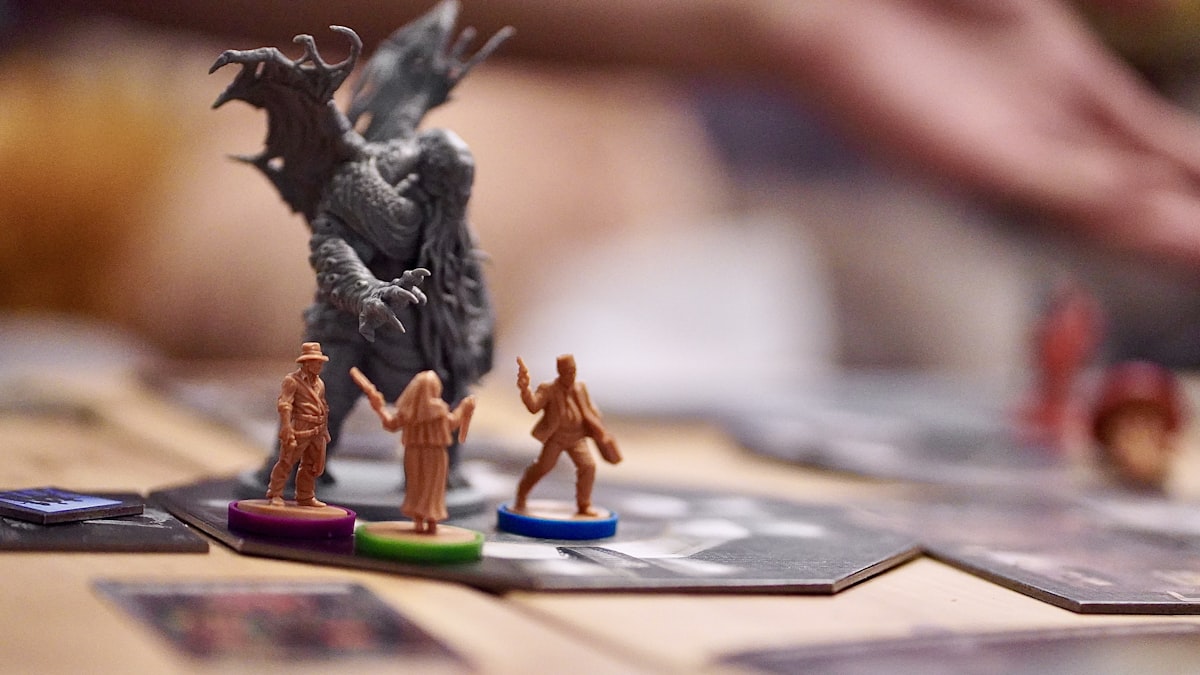
“You’ll be pulling off some flashy combo and then a big red light will glow from your opponent’s big hammer.”
Gwendolyn herself is a likable lead, with wit and a quirky edge. Ninine, her companion, falls short. She can morph into a bird and serves as the game’s Atreus, but her dialogue is mostly vocalized hand-holding, and that’s a real problem when you’re trying to figure things out on your own. “Hey, you should try shooting that,” she’ll say, the moment you look at a puzzle. It’s too much. And combined with yellow paint on climbable surfaces and a built-in critical path indicator, the game feels aggressively guided, like it can't trust you to take a single step without a nudge.
Bosses That Deliver
The final 15 minutes of the demo were spent on two boss fights, and this is where Tides of Annihilation really flexes. The first is against Mordred, a white-haired rival who isn't just copying your sword style. She summons her own knights. That leads to a chaotic scrap where you're dodging spectral goons just to land a hit on the boss herself, and the arena warps with each phase while the attacks ramp up in absurdity. It's an organic climax that was genuinely cool. So don't sleep on that ending.
Geraint's an optional boss, a demonic samurai with a big electric katana. He hits hard and fast, but that color-coded flash system makes him surmountable once you learn the tells. Then he ditches his clothes. He becomes a big dragon lad, and the whole thing escalates in both difficulty and spectacle, so you can't just coast on reflexes alone, not when the fight's rhythm shifts into something far more chaotic and demanding.
What’s Next for Tides of Annihilation?
Coming away from the demo, there’s a genuine sense of surprise. There’s gold in these hills. The swordplay is worth digging into, and the potential for combining knights to create wacky, exhilarating combo chains is a hook that action game fans will want to sink their teeth into.
That hand-holding, though, is a problem. The game doesn’t need it. The combat system holds its own, but the constant prompts and nudges undermine the player's agency. It’s a strange design choice for a game that otherwise wants you to experiment with its toybox.
I want to see more. I want to see how the knight combinations evolve, and whether the difficulty curve can match the flashy presentation. The mishmash of mythologies could easily become Tides of Annihilation’s undoing, or it could be its greatest strength. Fingers crossed it’s the latter.
The core loop is there. The style is there. The question is whether the final build can let its players breathe.
Frequently Asked Questions
What is the core combat gimmick in Tides of Annihilation that the article criticizes?
The article criticizes the color-coded telegraph system where bosses flash colors to indicate required actions, such as red for countering and yellow for jumping. It describes this as a 'Simon Says' mechanic that interrupts combat flow and feels like a crutch.
Who are the two main characters in Tides of Annihilation according to the article?
The player character is Gwendolyn, a British woman who can summon Arthurian knights, and she is guided by a Chinese martial arts saint. Gwendolyn is described as likable with wit and a quirky edge, while the saint is not detailed further.
How does the article describe the optional boss fight against Geraint?
Geraint is an optional boss who is a demonic samurai with a large electric katana, and he later transforms into a dragon. The fight escalates in difficulty and spectacle, becoming chaotic and demanding, but the color-coded flash system makes it manageable once you learn the tells.
What specific issue does the article raise about the companion character Ninine?
Ninine, who can morph into a bird, serves as the game's Atreus but her dialogue is mostly vocalized hand-holding. The article criticizes that she constantly gives hints like 'Hey, you should try shooting that' the moment you look at a puzzle, which feels overly guided and undermines player agency.
Why does the article suggest the 'story' difficulty might hide the real challenge?
The demo strongly suggested the 'story' difficulty, and the article implies that the real teeth of the challenge were likely hidden away. This is because the core combat loop showed promise even on that softer setting, but the harder difficulties might offer more demanding encounters.
💬 Comments (0)
No comments yet. Be the first!