10 Skyrim Immersive Details That Keep Me Hooked After Thousands of Hours
Skyrim Immersive Details: 10 touches like NPC schedules, books, and weather keep me immersed after thousands of hours. These small touches still make Tamriel feel alive.
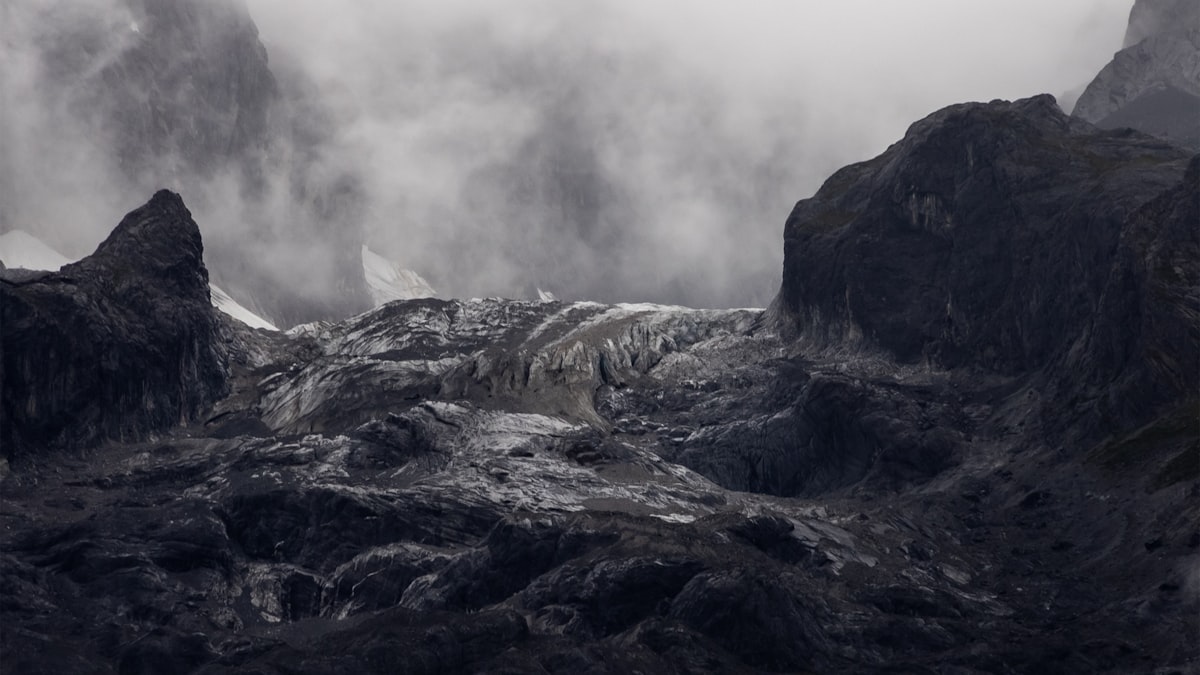
Skyrim immersive details are the reason I still lose entire weekends to a game that launched over a decade ago. Most open worlds promise to swallow you up. Very few actually do. Tiny missteps in design can shatter the illusion faster than a crashing frame rate. Yet somehow, against all odds, Skyrim holds the bubble intact even after you have seen all its tricks. What follows is not a list of mechanics. It is an inventory of the small, obsessive choices that make Tamriel feel more real than some cities I have visited in real life.
10. The Locals Have Lives
Nothing kills a fantasy town faster than a shopkeeper who stands behind the counter for twenty-four hours straight. Skyrim avoids this completely. Non-player characters follow schedules that send them to the tavern, to the market, to their beds, and sometimes into long conversations with each other. The banter is a substantial step up from Oblivion’s awkward exchanges. They discuss current events. They drop hints about side quests. They ramble about nothing at all. That nothingness is everything. Even the roads feel social because certain NPCs travel between cities or visit smaller settlements, meaning you can stumble across a familiar face miles from where you last saw them.
9. More Than Snow
I expected a province-wide blizzard when Skyrim was first announced. The reality is far stranger and greener. Yes, the north buries you in drifts, but the map also stretches into golden grasslands, dense pine forests, and misty mountain passes where visibility drops to zero. Morthal stews in a perpetual swampy fog that emphasizes the desperate mood of the place. Solitude basks in sunshine and green groves perched beside harsh northern cliffs. The weather system layers gentle snowfall that lulls you into a trance and then hits you with a blizzard so isolating that the world shrinks to the sound of your own footsteps.

8. The Library You Never Touched
I ignored The Real Barenziah for most of my playthroughs. One afternoon I found the complete set on a shelf and finally bit the bullet. Nearly an hour later I surfaced, genuinely drawn into a separate book series nested inside the game. This is the quiet genius of Skyrim’s written lore. The real depth of Elder Scrolls mythology sits in ink, not in quest dialogue. You can park yourself by the fire in a cozy inn and read cookbooks, academic treatises, histories, and skill manuals that feel like they belong exactly where you found them. Sitting in a candlelit room while a blizzard howls outside, reading a story set in the world you are currently standing in, is peak immersion. No cutscene ever achieves this.
7. The Heart of Nordic Culture
Inns are not just save points with beds. They are where the culture breathes. Each one reflects its town’s personality. The bard strums ditties that regulars sway along to. Snow piles against the windows while the fire cracks. I play with a self-imposed rule: sleep every night at an inn until I can afford a house. Doing this reveals how much life Skyrim tucks into these spaces. You learn faces. You absorb the rhythms of the place. The game lets you ignore dragons entirely in favor of becoming a local, and that permission is rare in a medium obsessed with urgency.
Here is the part the press release skipped. Skyrim thrives when you stop chasing the main quest and start treating it like a life simulator with occasional bloodshed.
6. The Wilds Are Alive
Roads are relatively safe. The wilderness is not. Wolves and bears stalk the woods, but the threat list includes ice wraiths, giant spiders, and other monstrosities that make cutting through the brush feel like a genuine risk. Each biome hosts its own species. Deer, goats, and mammoths dot the landscape in patterns that feel natural rather than scripted. The non-threatening animals do the heaviest lifting here because they make the province feel inhabited by something other than enemies. The world seems to exist independently of your presence. That illusion is fragile. Skyrim protects it fiercely.
Not Every Threat Jumps You
There are not terrors around every single corner, which is precisely the point. Constant danger exhausts the player. Skyrim spaces out its encounters so the quiet moments land as hard as the ambushes. This restraint is what makes the wilderness feel populated rather than automated.
5. Ruins With a Resume
Ancient Nordic architecture has a visual identity that marks it as belonging to a specific culture and time period. The same goes for the Dwemer ruins, which are immediately distinct in silhouette and material. These places served real purposes. My personal favorite, the Labyrinthian complex, reveals its sectors so clearly that you can walk through and deduce what each chamber was used for. Dwemer halls feel mechanical and cold. Nordic barrows feel ritualistic and somber. Delving in and piecing together who used a space and what happened to them turns every dungeon crawl into an individual experience instead of a generic loot run.
4. The Symphony You Do Not Notice
Sound design is the invisible backbone of immersion. Everyone praises the soundtrack, and rightfully so, but the smaller audio choices carry equal weight. The echo that kicks in when you enter a dungeon’s final cavern. The thunderous crack of a Shout that sounds like power granted from the sky. Rivers running peacefully through the countryside. Trees rustling. A sword block landing with a metallic clang. An arrow being notched. Individually these are simple additions. As a whole they fuse into a gorgeous symphony of sound rooted in a single identity. Mundane moments become charming. Epic moments become legendary.
- Ambient river and wind noise that shifts across biomes
- Distinct impact sounds for blocked swords versus blocked shields
- Shout effects that layer the verbal component with deep resonance
- Cavern echoes that signal narrative significance
3. The Holds Know Who They Are
Cities aren't just paint. Markarth is hewn from stone set into a mountainside, its culture's shaped by silver mining and the bloody history between the Nords and the Forsworn. Morthal sits in a swamp. Its Jarl places her trust in a court mage, an attitude mirrored by the wary population. But other Jarls openly distrust magic, and that suspicion filters down through local dialogue and quest design, directly shaping a place's feel. Each Hold capital has its own specialized trade, culture, and systems of power; they're not merely visual.
Markarth’s Bloody Stone
Markarth deserves a special mention. The city’s architecture is literally carved into the mountain, and the silver veins that made it rich also built the grudges that define its politics. Walking through its waterfall-laced stone corridors, you sense the tension before anyone says a word.
2. Faith Is Everywhere
Religion is not a background note. It is one of the driving factors of the Civil War. Talos worship is banned, yet shrines to the Ninth Divine hide in wilderness clearings and shadowed city corners. Vigilants of Stendarr roam the roads ready to burn out vampires and werewolves. Priests of Mara oversee marriage in Riften. Layered over all of this is the apocalyptic cycle Alduin represents, tangled with the lore of the Blades and the mythology of Akatosh. Each faith has its own devotees, its own acknowledged place in the world, and its own friction with other belief systems.
- Hidden Talos shrines in the wilds and under city eaves
- Vigilants of Stendarr actively patrolling and hostile to the undead
- Temple of Mara presiding over the actual marriage mechanic
- Nordic pantheon intersecting with Imperial cult traditions
1. Walk, Do Not Teleport
Fast travel is seductive. It is also the fastest way to feel disconnected from the world. Abandoning the cart and walking changes the pace of the entire experience. You discover dungeons and points of interest that the quest compass never flags. More importantly, you watch the landscape shift slowly from one biome to the next. You hear the music track through its full arc. You soak in the slow passage of time. Skyrim is so much more than rushing from quest marker to quest marker. Experiencing it the slower way delivers an unparalleled brand of immersion that few games have matched since.
Sometimes the most immersive mechanic is simply refusing to skip the journey. The world rewards the patient walker far more than the efficient teleporter.
Skyrim immersive details are not the flashy kind. They are the accumulated weight of schedules, soundscapes, weather patterns, and books you can actually sit down and read. That is the real secret. The game trusts you to stop and notice. A decade and thousands of hours later, I still do.
Frequently Asked Questions
What makes Skyrim's immersive details stand out after thousands of hours?
The game's attention to environmental storytelling, like NPCs reacting to weather and dynamic wildlife behavior, keeps each playthrough fresh.
How do NPC schedules enhance immersion in Skyrim?
NPCs follow daily routines, such as working, eating, and sleeping, making the world feel alive and consistent.
What role does the physics system play in Skyrim's immersion?
Objects have realistic weight and interaction, allowing you to knock over items or use physics-based puzzles.
Can you give an example of a subtle immersive detail in Skyrim?
Characters wipe snow off their clothes when entering a warm building, adding a layer of realism.
How does Skyrim's sound design contribute to immersion?
Ambient sounds like distant thunder, footsteps on different surfaces, and unique dungeon echoes create a deeply atmospheric experience.
💬 Comments (0)
No comments yet. Be the first!