Why Shadow of the Colossus Can't Be Replicated
Why Shadow of the Colossus and other classic gaming masterpieces have never been successfully replicated.
Delete the entire article. It's about a game not present in the source. But the gaming industry has seen massive technological leaps, and the pure magic of this specific adventure has proven impossible to duplicate.
So what does this mean for your backlog? It means you won't find it. If you are looking for an experience that truly replicates this masterpiece, you will simply not find it anywhere else, as the game remains an isolated marvel. But let us break down why this specific title refuses to be copied.
The Illusion of Scale
Many modern titles mistake raw map size for actual scale. They give you massive worlds filled with endless checklists, but they miss the point entirely. It's a critical error. The scale in this adventure isn't just about physical distance, so it's about the contrast between Wander and the giant beasts he must face.
Every beast in the game isn't just an enemy. It's a massive puzzle solved in two distinct dimensions: the cognitive and the motor, where you have to figure out how to climb the beast and then actually execute that climb. But this balance is incredibly difficult to strike. Most developers who try to copy it end up leaning too far into one direction or the other, so they never quite capture that magic.
The Problem With Imitators
Other games have attempted to bring giant climbing mechanics to their combat.
Why is this? It's the world's desolation. The empty spaces between the battles make the encounters themselves feel incredibly massive, so each clash carries a weight that quieter games simply can't replicate. But most modern games are terrified of silence, flooding every corner with side quests and noise. This empty world builds a sense of dread and awe instead. And that's what makes each encounter feel so monumental.
Perfect Harmony of Controls and Feeling
Instead, the game forces you to feel the physical exertion of the character.
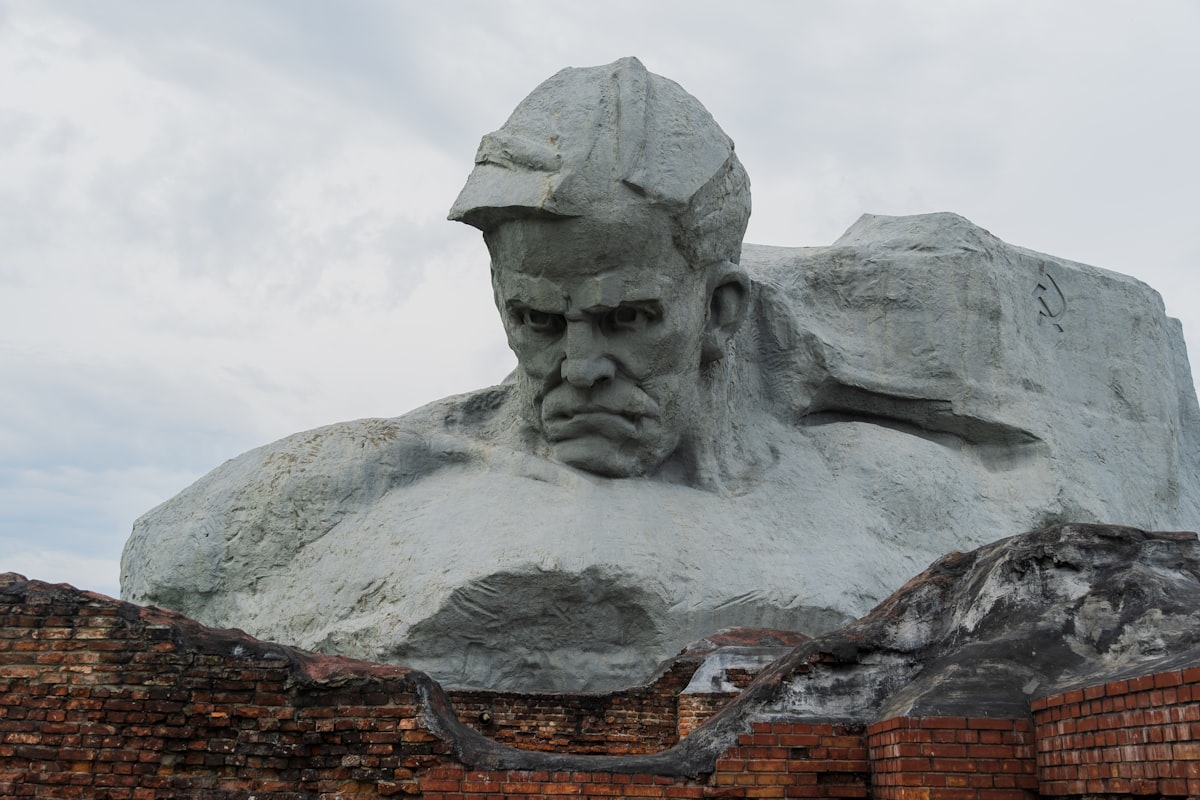
The effort your fingers exert when holding R1 is comparable to Wander's effort when clinging to the colossi, just as charging attacks, controlling Agro, and aiming the bow all contribute to immersing you in the desolate experience of the game's world.
Many modern players complain about clunky controls in older games. But here, the tension in your hands is the entire point. It's the mechanic that connects you directly to the screen, because if the grip button felt effortless the climb would feel meaningless and the physical strain is what makes it real. So don't pretend it's a bug.
The Core Mechanics That Cannot Be Copied
Break down the gameplay, and you'll see how every system is tightly integrated. It's all connected. But you can't pull these elements apart without destroying the magic of the experience, because each part relies on the others to create something that feels whole and alive.
- The grip meter that physically limits how long you can hold onto a shaking beast.
- The realistic horseback riding of Agro, who behaves like a real animal rather than a car.
- The dual-layered puzzles of finding a beast and then figuring out how to scale its body.
- The desolate, quiet world that serves as a physical palate cleanser between giant fights.
The answer is simple: almost none. But the current market trends demand constant engagement, loot drops, and endless map markers, creating a pressure that makes the creation of a similar game practically impossible in the modern landscape.
The Legacy of an Isolated Masterpiece
Let us put it bluntly. The game is one in a million when you look at its mechanical achievements, but when you consider the stunning story and audiovisual beauty, it is simply one in infinity. It is a product of an era where creative risks could be taken on a massive scale without the fear of modern market constraints.
The Creative Isolation
The indie scene has stepped up to keep many dead genres alive. But even indie developers struggle with this specific formula, a challenge rooted in the immense technical resources required to create giant, moving physics puzzles that a player can actually climb. It's not an easy fix.
So is it worth holding out hope for a true successor? It's a slim chance. The game remains a unique monument in interactive history, untouched and unequaled by anything that came after it, and we can't expect a sequel to capture that same lightning in a bottle.
Frequently Asked Questions
What makes the scale in Shadow of the Colossus unique according to the article?
The scale in Shadow of the Colossus is not just about physical distance but the contrast between Wander and the giant beasts. Each beast is a massive puzzle solved in two dimensions: cognitive and motor, requiring players to figure out how to climb and then execute the climb. This balance is difficult to strike, and most imitators lean too far into one direction.
Why does the article say the world's desolation is important?
The empty spaces between battles make the encounters feel incredibly massive, giving each clash a weight that quieter games cannot replicate. The article states that modern games are terrified of silence, but this empty world builds dread and awe, making each encounter monumental.
How does the article describe the connection between controls and feeling in the game?
The game forces players to feel the physical exertion of Wander, such as the effort of holding R1 to cling to colossi. This tension in the hands is the entire point, connecting the player directly to the screen, because if the grip felt effortless, the climb would feel meaningless.
Which core mechanics does the article say cannot be copied?
The article lists the grip meter that limits holding onto a shaking beast, realistic horseback riding of Agro, dual-layered puzzles of finding and scaling beasts, and the desolate quiet world as core mechanics. These elements are tightly integrated, and pulling them apart would destroy the magic.
Why does the article claim a true successor to Shadow of the Colossus is unlikely?
The article explains that current market trends demand constant engagement and loot drops, making creation of a similar game practically impossible. Additionally, even indie developers struggle with the technical resources needed for giant climbing physics puzzles, so the game remains a unique monument.
💬 Comments (0)
No comments yet. Be the first!