Sandustry Is the First Factory Sim That Gets Heaps Right
Sandustry, Lantto Games' new factory sim, finally nails the physicality of industrial waste. Our first impressions.
Sandustry Makes Player-created Mountains of Garbage Beautiful
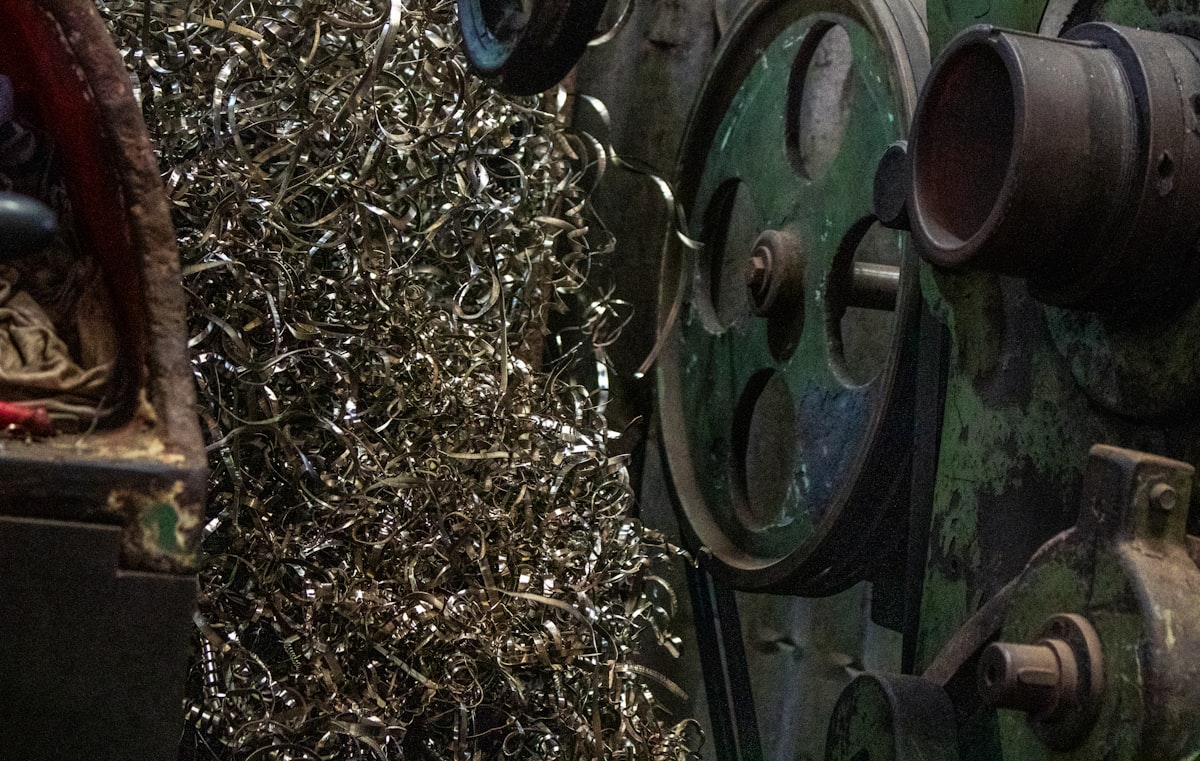
Sandustry, the new spelunking factory builder from Lantto Games and Hooded Horse, is the first factory sim that truly gets heaps right. You're an alien prospector on a planet of buried ruins, and the goal is simple: turn all the sand into gold. It's a ridiculous premise. But the physicality of the waste you create, the way every pile of tailings and every carved-out cavern feels like a tangible scar on the landscape, turns a standard resource grind into something strangely magnificent. So don't sleep on this one.
To understand why Sandustry works, you need to think about spoil piles. Those heaps are unnerving. The old slate quarries near the village of Aberllefenni in Wales, the longest continually operated slate mining setup in the world until its closure in 2003, are surrounded by hills of chopped and broken slate. One man tipped a wheelbarrow centuries ago, then another, and another, until the labour all but overshadowed the village beneath. And they compact and blur, naturalised as landscape, treated as though they were formed by glaciers rather than human hands, so the truth of that toil gets lost. It's eerie, really.
Something similar happens in Sandustry. The dread spills over into the factory genre's usual emotions of decreasing fuss and apocalyptic perfectionism, though it doesn't play out the same way as Satisfactory, which feels like a survival game with creatures to battle and constrained traversal. Sandustry casts you as a glorified cursor instead. You glide through your own buildings and any materials you've excavated, but you'll need to dig a passage through the solid rocks beneath. Boss monsters lurk down there. There are no endemic smaller threats, though, so your caution is focused and strange. And in the current early access build, you don't even need resources for construction beyond gold to unlock new machine types, which strips away much of the genre's usual grind.
How the Heap Starts
The challenge comes from the fact that materials break down into pixels with individual physics. It gives great heap. You set up a small network of conveyors and elevators to dunk sand in water, then transport it to automated sifting trays that jostle out flecks of gold, and that's where the real work kicks in. The process also produces a sandy residue that settles like dandruff on your collection hopper, so you stretch out a stack of launchers to intercept it and fling it off-screen, which keeps your gear clean. But then you burrow down in search of upgrade crystals, piston-punching into luminous caverns while gold tinkles into your HUD counter, and it all feels worth it. That's the loop.
Return after a few moments, and your gold-mining operation cowers beside a rising mountain of debris. It's probably the first factory game that really communicates the physicality of industrial waste, the appalling magnificence of it, for all the dinkiness of its 2D artstyle. That sticks. But it's the only factory game that makes me think of post-industrial landscapes like those colossal spoil piles above Aberllefenni, and so that's what stays with you, the weight of all that discarded rock and earth looming over your tiny machines, a slow monument to everything you've dug up. So that's what sticks.
Factory games usually simulate excessive production, but the representation is often clinically organised by HUD and interface design: spreadsheets full of scrapmetal icons, neatly blocked-out 3D storage pallets, intangible pollution gauges. In Sandustry, a pile of superfluous crap is an exquisite, granular entity that forms peaks and valleys and undulating plateaus.
It finds its way into crevices beneath, chases you down tunnels as you excavate them, separating into smaller runnels and pockets of dirt. It will eventually overflow and choke your whirring machines. Within the heap, different materials form scatty seams of yellow, brown and green. The strata tell a story. You learn to understand how the heap was made at a glance, the forces that acted upon it, the mechanisms each grain moved through.
Reading Your Own Errors
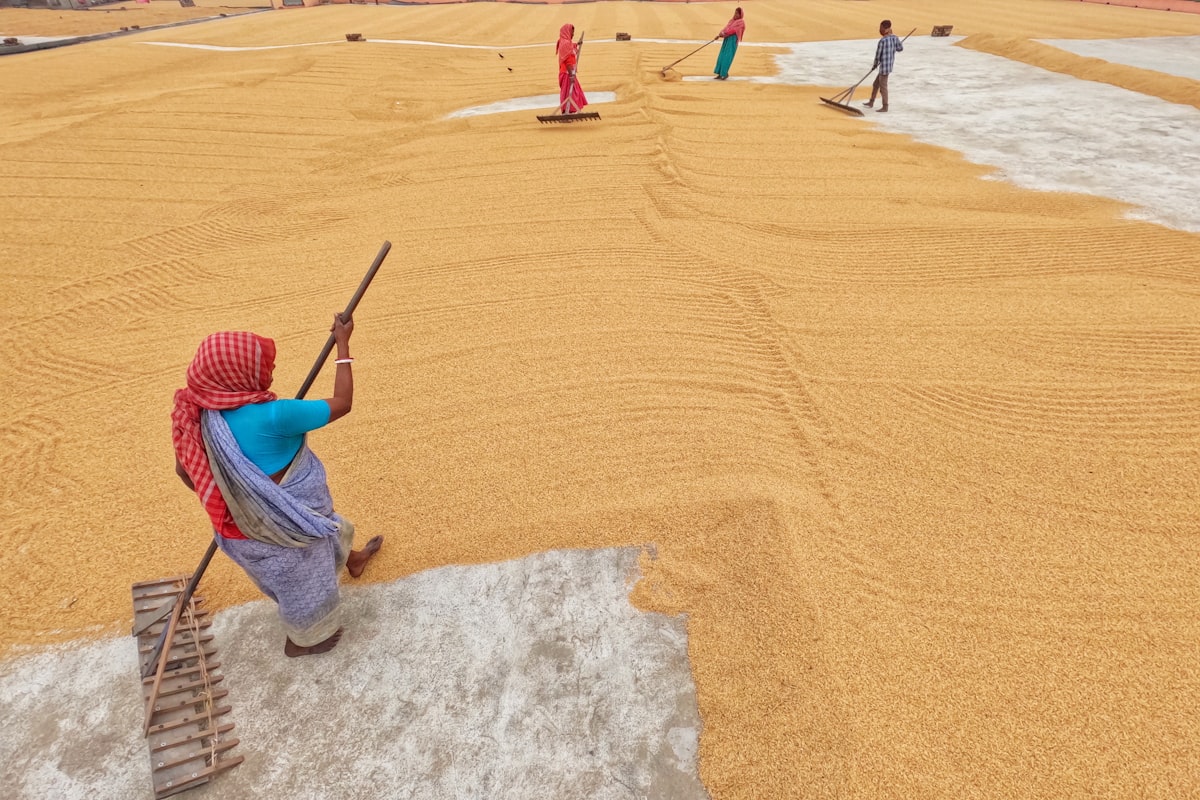
Your factories will likely be imperfect at first, and that's genuinely useful. Gaps and bottlenecks and badly planned intersections knock pixels out of flow. Stray mounds pile up in odd places. So when you return from a foray into the caves, perhaps searching for fresh supplies of water, the game's first major resource pressure, you'll anatomise these heaps to understand your own mistakes. It makes for bizarrely captivating scenery. Bleak, sure, but that's the point. Strip-mining a planet full of tapering, ancient structures that are infinitely more elegant than your impromptu conveyor labyrinths feels harsh, yet those mistakes become the landscape you can't help but read.
The loosened matter that pools across the surface has a kind of splendour. It's tempting to finesse every pile of refuse with your auto-filtering Grabber. Don't. But there's another reason to sculpt the refuse piles: waste is not a permanent designation. As with realworld junk slate, which may eventually be gathered and processed to make driveway gravel or garden mulch, so Sandustry keeps turning refuse into raw material, and you'll soon unlock other uses for sand residue. It can be burnt and compressed to produce seed alongside additional gold.
Unlocking the tech tree forces you to revisit your heaps. Suddenly, all that garbage piled up near your initial gold-panning operation has value. Ugh. If only you'd known that before you stacked all those filtering belts on top of it, you might have planned better, but you didn't, and now you're stuck with the mess. So expansion becomes a process of tracking and tending to dispersed and unruly hummocks of stuff that remain pleasantly fiddly to manipulate, even once you unlock a larger reticule for your Grabber. It's a chore. But it's your chore.
A Horrifying Satisfaction
It's satisfying, and kind of horrifying. The Midasian premise might seem like a bog-standard narrative of space capitalism running amok, but there's a desperation to it. Sandustry wants everything to become gold not because gold is desirable, but because gold is one of the few factory products that vanishes completely once you make use of it, converting to unlocks and upgrades without leaving any terrible mountains of spoil behind.
I'm very early on in Sandustry, so I can't tell you how elaborate and hierarchical the production networks become. But I'm entertaining a suspicion. Some things are never quite lost or destroyed in the game, only transformed and transformed and transformed, and that's a thought worth sitting with, a quiet insistence that decay might be a form of memory. The heaps you make are not mistakes to be hidden. They're monuments to your process, readable like geological records, and they might just make you rethink what a factory game can be, layer by layer, grain by grain, until the rubble itself speaks.
Sandustry is in early access now. So if you've ever stared at a pile of virtual scrap and wondered where it really goes, this game finally gives you an answer. It's a mountain of pixels with physics, and it's waiting for you. Strange. Bleak. Beautiful. And it's the first one that gets heaps right.
Frequently Asked Questions
What makes Sandustry the first factory sim to get heaps right?
Sandustry is the first factory sim to get heaps right because it physically simulates the waste you create, making every pile of tailings and carved-out cavern feel like a tangible scar on the landscape. This physicality turns a standard resource grind into something strangely magnificent, with heaps that form peaks, valleys, and undulating plateaus.
Why does the game's premise of turning sand into gold feel desperate rather than typical?
The Midasian premise feels desperate because gold is one of the few factory products that vanishes completely when used, converting to unlocks without leaving terrible mountains of spoil. This desperation contrasts with typical space capitalism narratives, as the goal is not gold's desirability but its ability to avoid waste.
How does Sandustry communicate the physicality of industrial waste?
The game communicates physicality through materials that break down into pixels with individual physics, creating heaps that find their way into crevices, chase you down tunnels, and overflow to choke machines. Different materials form seams of yellow, brown, and green, telling a story of how the heap was made and the forces that acted upon it.
What happens when you return from cave forays to find heaps in your operation?
When you return from forays, your gold-mining operation cowers beside a rising mountain of debris, and you anatomise these heaps to understand your own mistakes. Gaps, bottlenecks, and badly planned intersections knock pixels out of flow, creating stray mounds that become readable as a record of your errors.
Who is the player character in Sandustry, and what is their initial goal?
The player is an alien prospector on a planet of buried ruins, with the goal to turn all the sand into gold. The premise is ridiculous, but the physicality of waste makes it compelling, as you glide through your own buildings and dig passages through solid rocks.
💬 Comments (0)
No comments yet. Be the first!