Rockstar's Tokyo GTA Dream: A Missed Opportunity?
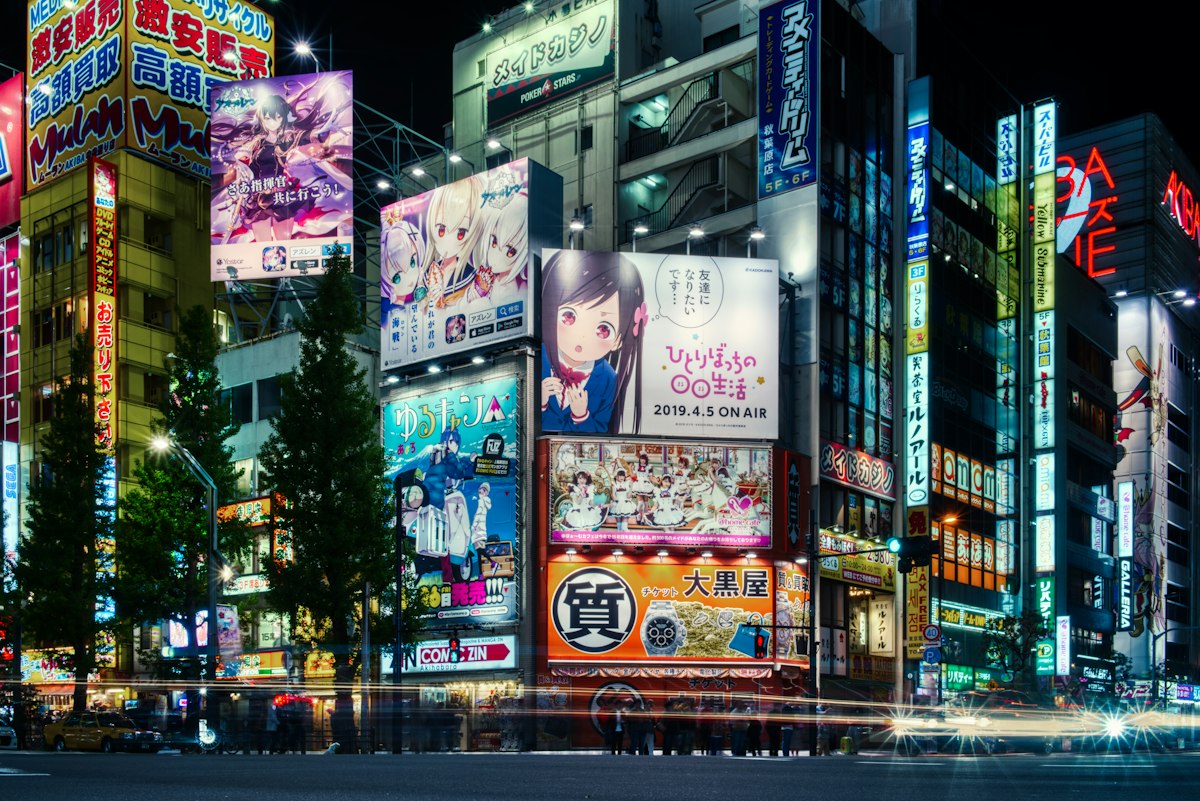
Former Rockstar North technical director Obbe Vermeij revealed that Rockstar once considered a Grand Theft Auto game set in Tokyo, potentially developed with a Japanese studio. The project, which included discussions with unnamed studios, did not progress far.

Rockstar's Tokyo GTA Dream: A Missed Opportunity?
The Ghost of Shibuya Past
Rockstar Games dreamed big. They wanted to bring GTA to Tokyo. According to Obbe Vermeij, formerly Rockstar North's technical director, this ambitious exploration involved serious discussions and negotiations with Japanese studios, showcasing a clear intent to adapt their signature crime formula to a completely new, culturally rich urban environment. The project, however, never moved past conceptual ideas. It revealed a strategic interest. They wanted the Japanese market. Grand Theft Auto hasn't sold as well there.
A Persistent Global Ambition
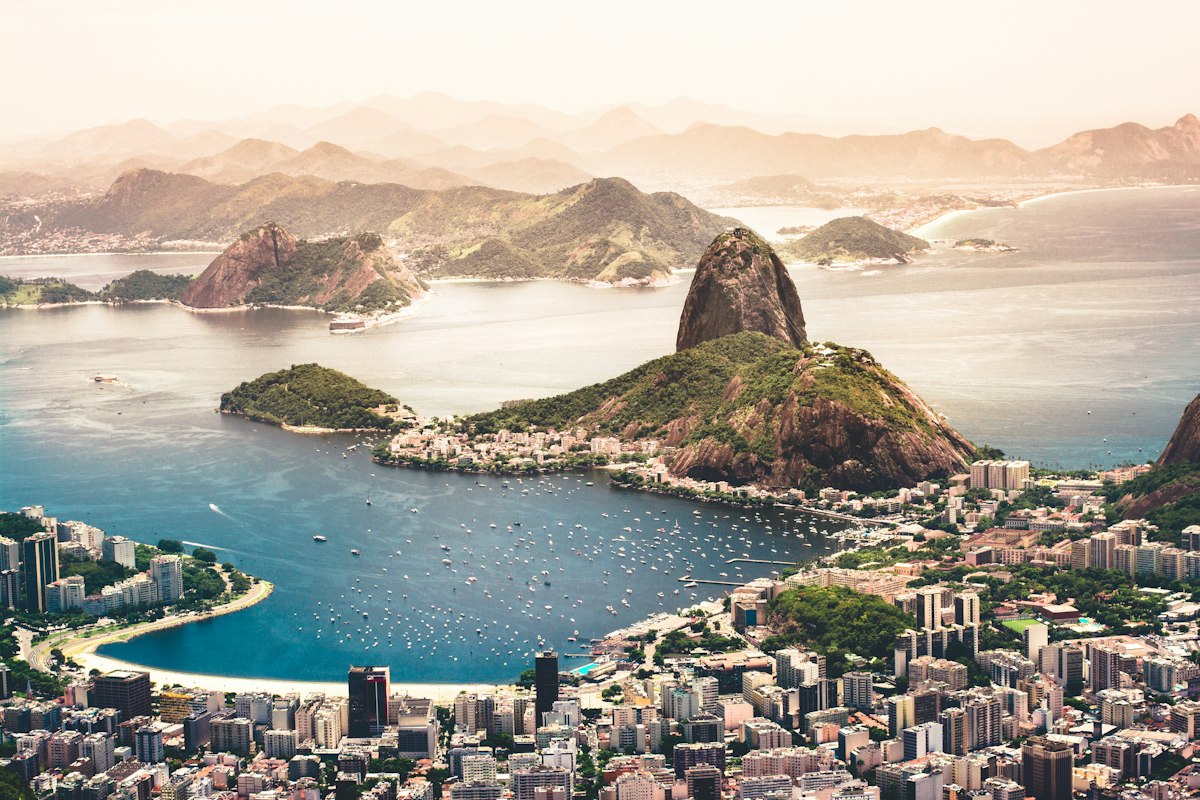
Tokyo beckoned. Rockstar considered international settings. Vermeij confirmed this. They frequently contemplated various international locales for the series, with Tokyo consistently appearing on a short list that also included cities like Moscow, London, Istanbul, and Rio de Janeiro, indicating a strategic imperative to explore diverse cultural settings to broaden their flagship franchise's appeal. It's a clear recognition of Japan's status. This presented challenges, and opportunities. Their brand is rooted in Americana, yet Tokyo offered a unique cultural hub, a major global market they wanted to tap into.
Strategic Rationale for a Japanese Setting
The impetus behind such a venture was likely multifaceted. Vermeij alluded to a potential sense of frustration among Rockstar's leadership regarding the franchise's performance in Japan. Handing over development, or at least close partnership, to a Japanese studio seemed like a smart way to better connect with players in Japan. These players often show different tastes in game genres than those in the West. This move would have positioned Rockstar to natively integrate cultural nuances and gameplay elements that might otherwise be overlooked or misinterpreted by an entirely external development team. The potential for a GTA experience steeped in Japanese culture, crafted by those intimately familiar with it, was viewed as a compelling prospect for both the studio and the market.
"I think perhaps [Rockstar's co-founders] the Housers were a little annoyed that GTA wasn't as big in Japan as they thought it deserved to be," Vermeij reflected. "So it kind of made sense to get a local studio to do it. Japanese people actually kind of like different games from westerners a fair bit."
The Competitive Read on Localization
A Tokyo GTA? Bold. Historically, Grand Theft Auto's identity is deeply American, steeped in its culture, crime, and societal critique, so venturing into Tokyo would have directly challenged that ingrained perception, signaling a powerful willingness to adapt its core identity to a radically different environment, a strategy that, if successful, could have unlocked new revenue streams and expanded the brand's cultural footprint significantly. That's a huge gamble. This approach contrasts with simply localizing content. It's a different path. Also, a potential collaboration with a Japanese studio would have put Rockstar in a unique strategic position, offering an unprecedented level of creative synergy within the open-world genre.
The "Americana" Conundrum
Vermeij addressed a Rockstar debate. It's about GTA and American identity. He remembered feeling the IP, with its oversized characters, sharp satire, gunplay, and confrontational mechanics, was so inherently steeped in Americana that transplanting it effectively to other cultures would prove exceptionally challenging. "GTA London" succeeded. But a modern, full-scale GTA was much harder. This internal conflict reveals a central strategic puzzle: how can they preserve the soul of a globally renowned brand as they venture into new cultural landscapes?
Market Implications and Future Trajectories
Tokyo GTA's dream died. The industry craves global expansion, yet local tastes matter. Specifics of negotiations are secret, but talks happened, proving publishers must understand diverse international desires. This absence of a Japanese-developed GTA leaves a gaping hole, especially when you consider existing domestic titles that explore similar urban open-world themes, which suggests the project, though seriously considered, never solidified its eventual scope or gameplay mechanics beyond a potential inclusion of samurai swords within a contemporary or near-contemporary setting. Its strategic value would've been immense. Rockstar could've gained a huge advantage. The story behind Rockstar's Tokyo GTA dream shows strategic exploration and market penetration challenges.
Looking Ahead
Tokyo beckons. The industry keeps changing, developers always hunting for fresh landscapes and clever methods to engage players everywhere. Rockstar's old Tokyo ideas now matter more than ever when planning massive game projects and how to sell them globally. It's a fascinating "what if," this GTA in Japan.
```💬 Comments (0)
No comments yet. Be the first!