My Time at Sandrock: Why to Play Before Evershine
My Time at Sandrock is a cozy RPG hybrid worth playing now, especially with My Time at Evershine arriving in 2027 from Pathea Games.
My Time at Sandrock has quietly become one of the most rewarding cozy RPGs of the decade, and there is a very specific reason to pick it up now rather than later. My Time at Evershine is on the way in 2027, and its story setup makes clear that it will continue the wider narrative established in Sandrock, with a handful of familiar faces stepping up as major characters. That gives newcomers a comfortable window to catch up, but it also gives longtime holdouts a nudge. This is the moment to see what the fuss is about.
Why Sandrock Matters Before Evershine
The case for playing My Time at Sandrock right now starts with simple timing. Evershine is described as a direct continuation of Sandrock's storyline, following both the broader arc and some of the characters who only make cameos in Sandrock before taking on bigger roles. Playing Sandrock first is not strictly required, but it will make Evershine far more meaningful, especially for the lore and the context behind why a new settlement is needed at all. That kind of payoff is hard to fake.
There's also the question of what kind of game Evershine will be. Players won't be a Builder. They're taking on the role of the town's governor, which is a real departure from the pattern set by My Time at Portia and My Time at Sandrock, and that shift starts to make a lot of sense when you look at what happens during Sandrock's second half. Evershine takes place three years after both Portia and Sandrock, a gap that will likely escalate tension between the Free Cities and Duvos.
A Cozy Game With Real RPG Bones
Sandrock gets filed under cozy games. That label fits. But it undersells the depth, and that's the problem, because the game balances story and relaxation with surprising finesse while still letting you forge your own path in whatever direction you happen to prefer. Skill trees progress through action rather than menus. Swing a sword and you earn Combat points. Run your workshop and collect finished goods from machines and you earn Workshop points. So it's an RPG with a relaxed pulse, one that suits fans of either genre, particularly anyone looking to ease into the other.
The world itself informs the experience and the story of Sandrock, and is almost a character in itself.
That design choice matters. It keeps every system tied to the fiction. You're not grinding just so a bar fills up. You're a Builder in a town that needs one, and that's the whole point, because the fiction holds every mechanic in place and gives you a reason that's bigger than a number ticking upward on a screen. So you don't chase the bar. You belong to the town.
The Desert Is the Point
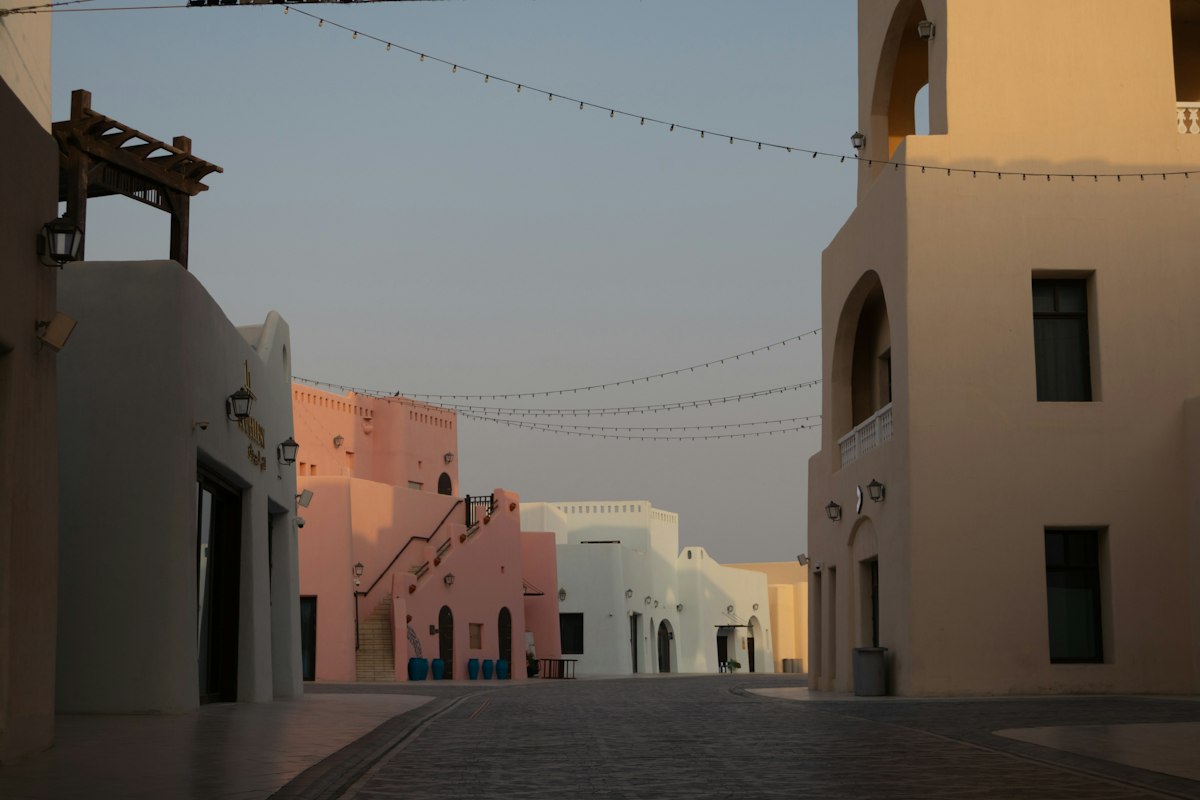
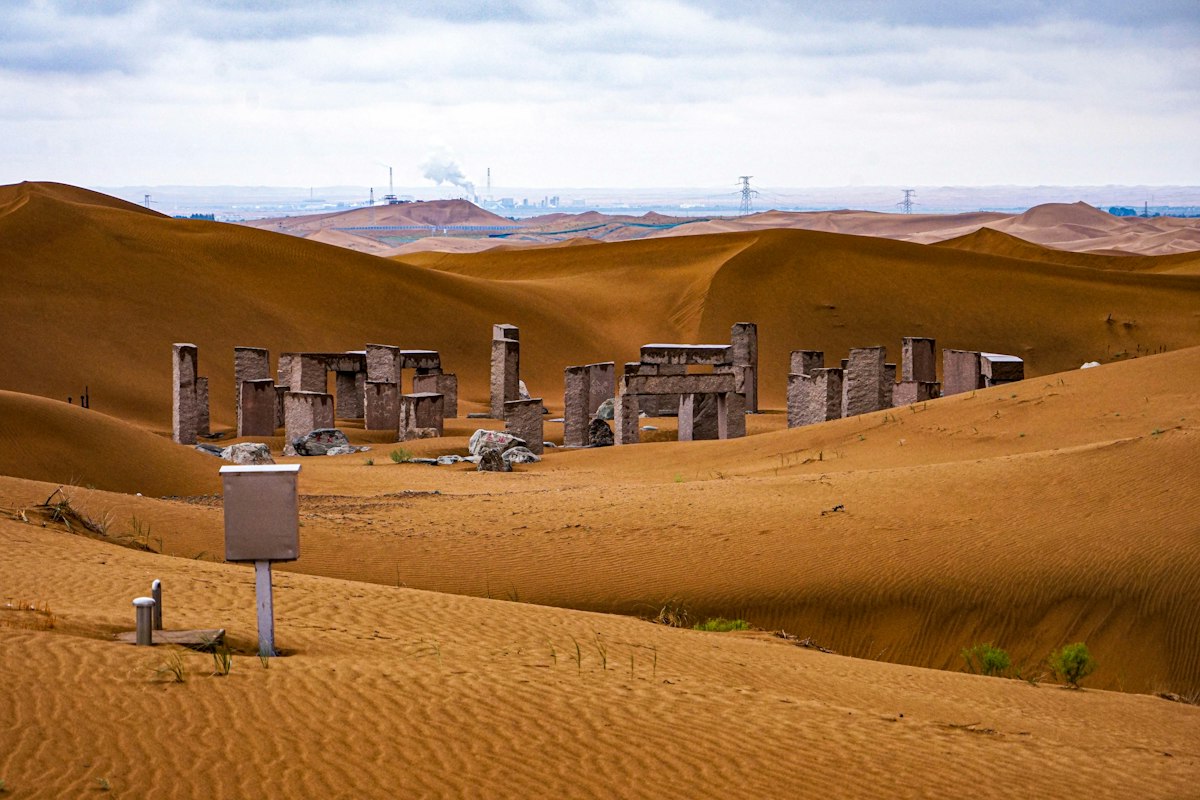
Open worlds can be hit or miss. At their best, they deliver unpredictable events and genuine exploration. At their worst? They kill pacing and offer nothing but a pretty, empty map. Sandrock avoids the trap by letting its world change as the main questline advances, and it's a desert built on the ruins of a previous civilization where sandstorms unearth fresh scrap and relics, mutated animals roam the landscape, and you learn quickly to stretch limited resources. So don't expect a static map. It's not empty.
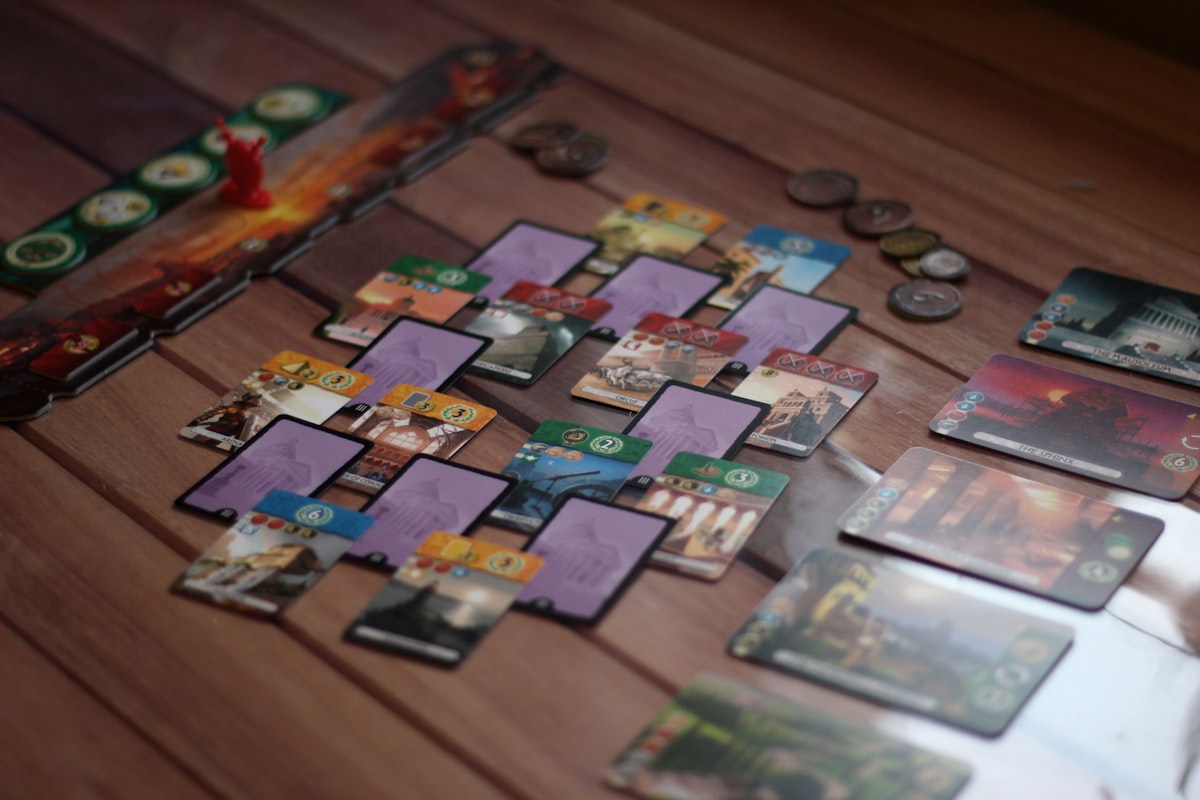
Then there's the cast. Sandrock is packed with endearing eccentrics, and every single one of them has hidden depths and stories that span hours. The social systems let you chat, give gifts, spar, play a card game, and engage in dating and friendship tracks. Playdates and Dates unlock touching lore, including the detail that Heidi cut her hair in solidarity with children with cancer. Even the minor residents have their own personalities, histories, social networks, and reasons for living in Sandrock.
A Story Worth a Hundred Hours
Completing Sandrock's story takes around 100 hours. That is a sprawling tale with a lot of moving parts, and it lands. Two main threads drive it: dealing with the bandit Logan, and working to restore the desert's environment. They could not be more different. One is action packed. The other is about improving soil quality, planting trees, and building infrastructure to make Sandrock more accessible. Each thread builds on the other, and together they make you feel like you actually made a difference.
The tone stays silly. Charming, too. It suits the genre, and that's fine. But when the emotional beats arrive, they hit hard, and they don't pull their punches, and they land with a weight you can't ignore even though the game's mostly goofy on the surface. That combination is why My Time at Sandrock has held its audience.
Building a Society, Not Just a Farm
The gameplay loop is where Sandrock separates itself from its peers. Builders? They're among the most respected professions in this world. Why? Because they rebuild society after the apocalypse. The most revered figure in their history, Peach, who brought back the light after clearing the clouds that darkened the world for 350 years, was likely a Builder. So you get a workshop. And as one, you produce the parts needed to create structures, which is how the whole thing keeps moving forward.
Desert life forces workarounds. You scavenge scrap to repurpose and collect dew for water. It is a very logic based system, and it is surprisingly addictive. Farming follows suit with a real world method called the straw checkerboard technique, used in China to stop the spread of the desert. It is a welcome change from the usual cozy game farming loop.
Heart, Humor, and a Community That Endures
What holds all of this together is heart. The humor is goofy in a way that matches the aesthetics perfectly, and the English localization is brilliant enough that you will catch a few perfectly timed pop culture references. Then the game punches you in the gut. This is a community that has survived terrible things, and they cling to Sandrock because people they loved died hoping to see their city thrive.
Chatting about photographs of people who have come and gone with one of Sandrock's founders is one of the moments that lingers. It stays. So does watching the townsfolk react to finally finding the key to growing trees in the desert, a discovery that turns a dry, stubborn landscape into something they're proud to tend and show off. It's hopeful. It's wholesome. And it's a welcome contrast to real world climate anxiety, the kind we've all felt and can't shake.
Pathea Has Earned the Trust
Backing a crowdfunding project is always a risk. Pathea is not one of those risks. My Time at Portia was an impressive achievement for a new studio, and My Time at Sandrock improved on everything it did well while ironing out the wrinkles. That is the behavior of a team that wants the game right.
- Evershine arrives in 2027 and continues Sandrock's storyline
- At least two potential marriage candidates debut in Sandrock
- The second half of Sandrock sets up Evershine's northern border location
- Evershine casts you as governor instead of Builder
Evershine will break the pattern. There's no reason to believe otherwise. The value of playing My Time at Sandrock now isn't just preparation for a future release, because what you're really getting is a hundred hours of sharp writing, a desert that behaves like a character, and a town full of people worth knowing. The sequel will still be there in 2027. But the best time to meet Sandrock is before it becomes required reading.
Frequently Asked Questions
When is My Time at Evershine arriving, and how does its timeline connect to Sandrock?
Evershine arrives in 2027 and continues Sandrock's storyline. It takes place three years after both Portia and Sandrock, a gap that will likely escalate tension between the Free Cities and Duvos.
Why does the article say playing My Time at Sandrock first makes Evershine more meaningful?
Evershine is described as a direct continuation of Sandrock's storyline, following both the broader arc and some characters who only make cameos in Sandrock before taking on bigger roles. Playing Sandrock first is not strictly required, but it will make Evershine far more meaningful, especially for the lore and the context behind why a new settlement is needed at all.
How does My Time at Sandrock's skill progression differ from menu-based systems?
Skill trees progress through action rather than menus. Swing a sword and you earn Combat points, while running your workshop and collecting finished goods from machines earns Workshop points.
Who do players become in My Time at Evershine, and how does that role differ from Sandrock?
Players won't be a Builder in Evershine; they're taking on the role of the town's governor. That is a real departure from the pattern set by My Time at Portia and My Time at Sandrock, and the shift starts to make a lot of sense when you look at what happens during Sandrock's second half.
What are the two main story threads in My Time at Sandrock, and roughly how long does completing its story take?
Two main threads drive it: dealing with the bandit Logan, and working to restore the desert's environment. Completing Sandrock's story takes around 100 hours.
💬 Comments (0)
No comments yet. Be the first!