Hideo Kojima Backrooms film praise meets Kane Parsons
Hideo Kojima praised Backrooms director Kane Parsons in a Famitsu interview, linking the film's liminal horror to P.T. and his upcoming game OD.
Hideo Kojima Backrooms Film Praise Stirs Analog Horror Debate
Hideo Kojima Backrooms film praise landed in a Tokyo interview that paired the game auteur with director Kane Parsons, and the conversation quickly turned into something closer to a masterclass than a standard press junket. The two sat down with Famitsu after the film's Tokyo premiere, trading notes on liminal space, childhood gaming habits, and why a hallway that repeats forever can be scarier than anything that jumps out of a closet.
Kojima did not hold back. He called Parsons' construction of the haunting backroom locale "very game-like," and said the film "leaves you with a slightly unsettling feeling." Coming from the man behind P.T., that reads less like polite praise and more like recognition.
Why the P.T. Comparison Is Not Just Nostalgia
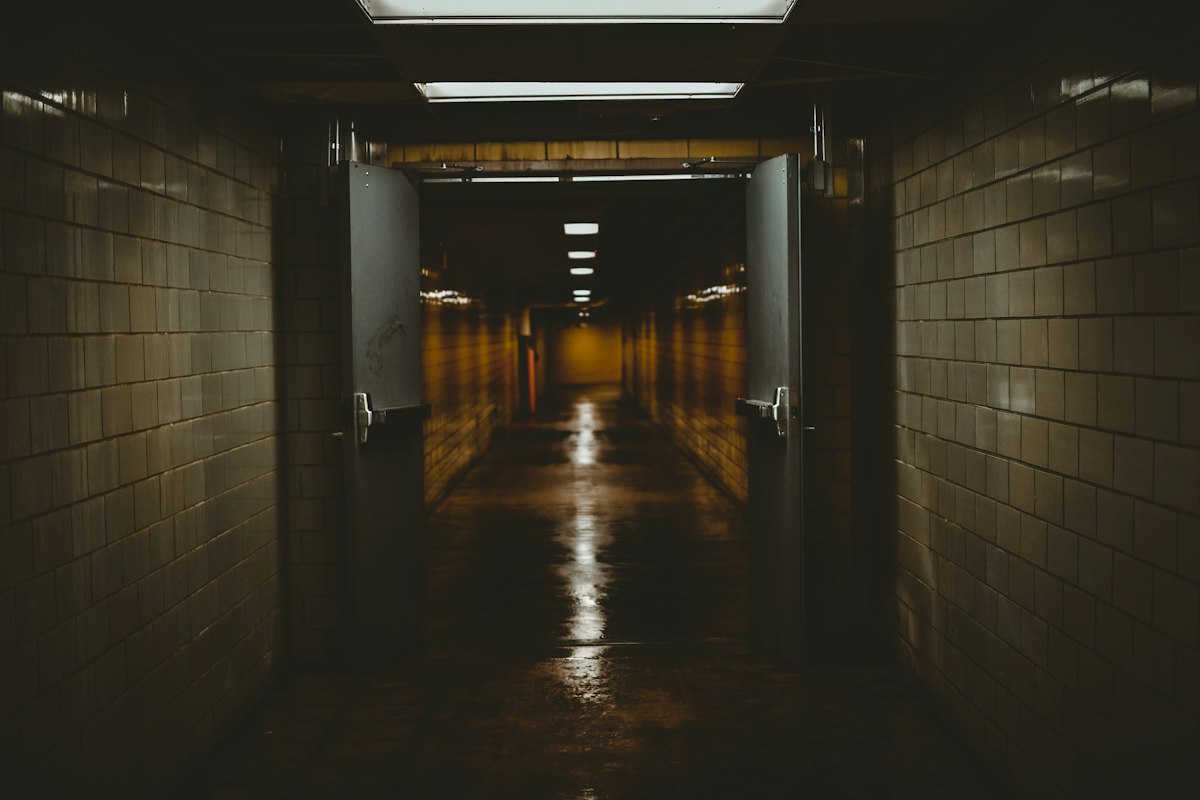
Anyone who played P.T. Knows the trick. Identical hallways. The same corner. The same door. Then the loop tightens, and the horror creeps in through repetition rather than shock. Kojima famously built that demo around spatial disorientation, and he sees the same instinct alive in Backrooms.
"I think this way of perceiving space [in Backrooms], which disregards theory, is influenced by the fact that Kane and other young directors of the YouTube generation have been playing 3D games for a long time."
That line does a lot of work. It suggests the lineage runs backward from film to games, not the other way around. Parsons agreed, and went further. He said he "perceive[s] space itself as a digital structure," and described how playing games forces you to "understand our environment and move very carefully and precisely."
That is a designer's vocabulary. From a filmmaker. It tracks.
Analog Horror's Comeback Runs Through a Camcorder
What caught Kojima's attention was not just the space. It was the texture. Parsons presents his work as though it were shot on a video camera in the 1990s, leaning into found footage and analog visual language instead of clean digital polish.
Kojima called that approach "surprising." He said Parsons and his generation, "while using a digital style, are exploring the feel of analog expression from the past, effortlessly leaping over film theory."
That is a striking observation from someone who has spent decades borrowing from cinema. He named Stanley Kubrick, Akira Kurosawa, and Martin Scorsese as his own inspirations, directors who broke rules rather than obeyed them. Now he is watching a younger creator break a different set of rules entirely, and he sounds genuinely pleased about it.
OD, Physint, and What Kojima Is Building Next
Kojima Productions currently has OD in production, a horror title that appears to treat space the same way Backrooms does, as a device for unsettling players rather than a backdrop. Kojima recently shared a photo from the game showing a half-lit yellow hallway (very Backrooms) and a darkened doorway with the figure of a woman standing inside it.

Fans immediately read it as a callback to P.T. And started speculating about whether Kojima would revive ideas from Silent Hills. Little else is known about OD beyond Kojima's own description of the concept: he said he was inspired by the idea of "overdosing on fear." The game is being produced as an Xbox exclusive, alongside Physint, his Metal Gear Solid spiritual successor.
The Industry Is Quietly Returning to Static
Kojima and Parsons are not operating in a vacuum. Across the industry, more games are reaching back toward the analog age for inspiration. Silent Hill: Townfall is a clear example. Its gameplay centers on a tiny handheld CRT TV that players must use to tune into frequencies, solve puzzles, and avoid enemies.
Think about how strange that is. Most modern games hand players crystal clear visuals, mini-maps, and a dozen tools at once. Townfall strips that away and replaces it with static, signal noise, and subliminal imagery. The fear comes from not being able to see properly.
Analog horror is not really about old technology. It is about uncertainty. A fuzzy signal, a looping hallway, a camcorder tape that might be real. The tools change. The feeling does not.
What the Kojima Backrooms Moment Actually Signals
The Hideo Kojima Backrooms film conversation matters because it puts two generations of horror thinking in the same room and finds them speaking the same language. One came up through film theory and Kubrick. The other came up through YouTube and 3D games. Both ended up obsessed with space, repetition, and the quiet dread of a place that should not exist.
Kojima has been chasing that feeling since P.T. Parsons has been chasing it since his first Backrooms upload. The fact that they recognized each other so quickly says something about where horror is heading next.
Not toward bigger scares. Toward stranger rooms.
Frequently Asked Questions
Who did Hideo Kojima share a Tokyo interview with about the Backrooms film?
Hideo Kojima's praise for the Backrooms film came in a Tokyo interview where he sat down with director Kane Parsons. The two spoke with Famitsu after the film's Tokyo premiere, discussing liminal space, childhood gaming habits, and why a repeating hallway can be so frightening.
Why does the article compare Kojima's reaction to the Backrooms film with P.T.?
The article notes that Kojima built P.T. around spatial disorientation, using identical hallways and repetition rather than shock, and he sees the same instinct in Backrooms. It also states that Kojima's praise reads less like polite praise and more like recognition coming from the man behind P.T.
How does the Backrooms film use analog visual language, according to the article?
Parsons presents his work as though it were shot on a video camera in the 1990s, leaning into found footage and analog visual language instead of clean digital polish. Kojima called that approach "surprising" and said Parsons and his generation explore the feel of analog expression from the past while using a digital style.
What does the article reveal about Kojima's current and upcoming projects, OD and Physint?
Kojima Productions currently has OD in production, a horror title that appears to treat space as a device for unsettling players rather than a backdrop. Kojima described the concept as being inspired by the idea of "overdosing on fear," and the game is being produced as an Xbox exclusive alongside Physint, his Metal Gear Solid spiritual successor.
What broader industry trend does the article point to beyond Kojima and Parsons?
The article says more games are reaching back toward the analog age for inspiration, with Silent Hill: Townfall as a clear example. Its gameplay centers on a tiny handheld CRT TV that players must use to tune into frequencies, solve puzzles, and avoid enemies, so the fear comes from not being able to see properly.
💬 Comments (0)
No comments yet. Be the first!