DICE Bounced Back From Battlefield 2042's Disastrous Launch
DICE bounced back from Battlefield 2042's disastrous launch to release Battlefield 6, says GM Rebecka Coutaz, who joined two weeks after 2042 shipped.
DICE Bounced Back From Battlefield 2042's Disastrous Launch
DICE rebuilt. It took years. The studio came back from Battlefield 2042's disastrous launch through a painful, deliberate rebuild that took years and reshaped how the studio makes games, a slow recovery that nobody inside the company could take for granted. It's a turnaround story centered on Rebecka Coutaz. She joined the Swedish developer as VP and GM in November 2021. That was just two weeks after Battlefield 2042 hit shelves to brutal reviews, technical problems, and an unhappy player base. EA CEO Andrew Wilson told shareholders the game's sales were "disappointing." And it was about as rough as a launch gets for a franchise of that stature.
Coutaz walked into a project that needed fixing on two fronts at once. The game itself required continued development, but just as much energy went into overhauling the way DICE worked. "We listened to our players, and we completely reorganised ourselves to be able to release season one," she explains. That reorganization landed in May 2022, six months after launch. Operating a live game demanded a different structure, a different development rhythm, and a different culture. Patches shipped every two weeks. The studio changed how it worked, how it was organized, and how it processed feedback. "We also had to work a little bit on our culture as well to listen to our people and empower them," Coutaz says. "When we empower our people, it brings us the agility that we need when we are operating a live game. We learned so much. But it was tough. It was hard."
Fresh Blood, New Structure
The vision for what came next was set by a group Coutaz describes as the people who "felt that we should do a comeback and that we should deliver the best Battlefield ever." That ambition ran headfirst into a structural problem. Battlefield had always been a DICE show, but the scope of a modern Battlefield entry, spanning multiplayer, single-player, and free-to-play experiences, was too much for one studio to carry alone.
So the project was split across four teams from the very beginning: DICE, Criterion, Motive Studios, and Ripple Effect, the studio formerly known as DICE LA. Ripple Effect and Criterion weren't newcomers. They'd been here before. Ripple Effect had worked on the series since 2013's Battlefield 4 and was entirely responsible for the Battlefield Portal custom map mode in 2042, while Criterion had contributed to Battlefield 5 and 2042, so both studios knew the franchise well. But the difference this time was timing. They were brought in at the start rather than toward the end, when a project is scrambling to finish.
Four Studios, One Vision
Coordinating companies worldwide is hard. A logistical nightmare, really. And Coutaz is candid about what makes it work. "There is team ownership, otherwise this powerful model of four studios behind one single vision wouldn't work, because you have time zone differences and so on," she says. The setup demands absolute clarity. Clarity about the vision. Clarity about what each team owns. Within that framework, teams get room to create, innovate, and interoperate on their own terms. "The vision has to be clear, but we have to let the teams act and create and innovate at their own initiative, in their own way of working, and at their own speed," Coutaz explains.
"We wouldn't make good games if we were chasing our competitors. We are making games because we believe in what we're doing."
The Comeback Numbers
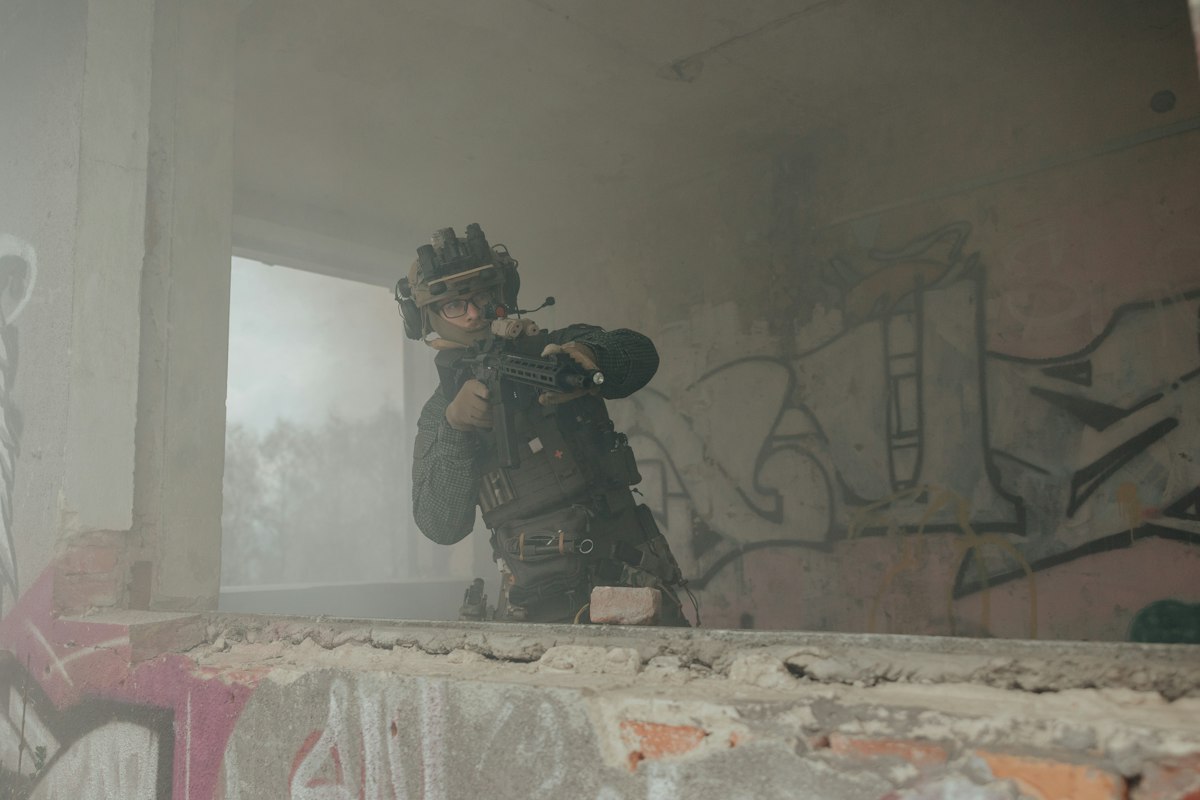
Battlefield 6's reception stood in stark contrast to its predecessor. Universal acclaim replaced negative reviews. A smooth launch replaced technical chaos. The game sold over seven million copies in its first three days and finished as the best selling game of 2025 in the US. For a franchise that had been written off by plenty of observers after 2042, that is a remarkable reversal.
Coutaz insists DICE and its partner studios are not sitting still. Player feedback and technological innovation are driving decisions about where the series goes next. "Battlefield 6 was a comeback. It's a nice story to tell," she says. "Today we have a lot of players playing Battlefield." The roadmap for upcoming seasons was revealed back in April, with Naval Warfare slated for season four. "Because our players are having fun on the battlefield, we will continue to provide content to our players. Battlefield is a platform. It's going to be there. And we are continuing."
Turbulence Behind the Scenes
The road since launch hasn't been perfectly smooth. EA reportedly made layoffs at Battlefield Studios back in March, an unspecified number of them. Battlefield Redsec, the free-to-play spinoff, has drawn mixed reviews on Steam. And the competitive landscape for shooters has shifted dramatically. Call of Duty and Battlefield once ruled the market and shaped what players expected, but smaller studios are increasingly setting the agenda, and that conversation now includes Arrowhead, the team behind Helldivers, and a studio staffed by DICE veterans and responsible for Arc Raiders.
Coutaz does not pretend the competition is irrelevant. She just rejects the idea of chasing it. "Of course we're always looking into the competitive landscape," she says. "We are never chasing a competitor. That's not the way that we create games." In her view, competition serves a useful purpose: it pushes DICE to take more risks, to be creative, to innovate. But it does not dictate the path. The studio's compass points toward its own players instead. "The most important thing for us is the feedback from our players that they are engaged, that they are having fun and that they want more."
That philosophy got tested. It got tested through the hardest period in the studio's recent history, and that's exactly what DICE bounced back from Battlefield 2042's disastrous launch with. Not a single fix. But a rebuilt organization, a shared vision across four studios, and a stubborn focus on the people actually playing the game, the ones they're building for, the ones we've always known they can't afford to lose.
Frequently Asked Questions
Who is Rebecka Coutaz and when did she join DICE?
Rebecka Coutaz joined the Swedish developer DICE as VP and GM in November 2021. She arrived just two weeks after Battlefield 2042 hit shelves to brutal reviews, technical problems, and an unhappy player base.
Why did DICE need to reorganize after Battlefield 2042's launch, and when did that reorganization happen?
DICE needed to reorganize because operating a live game demanded a different structure, development rhythm, and culture. The reorganization landed in May 2022, six months after launch, and allowed patches to ship every two weeks.
How did DICE split the development of the next Battlefield game across multiple studios?
The project was split across four teams from the very beginning: DICE, Criterion, Motive Studios, and Ripple Effect. This was different from before because these studios were brought in at the start rather than toward the end when a project is scrambling to finish.
What were the commercial results of Battlefield 6 compared to its predecessor?
Battlefield 6 sold over seven million copies in its first three days and finished as the best selling game of 2025 in the US. This stood in stark contrast to Battlefield 2042, which had disappointing sales and a rough launch.
How does Rebecka Coutaz view the competitive landscape for shooters?
Coutaz says DICE is always looking into the competitive landscape but is never chasing a competitor. She believes competition pushes DICE to take more risks and innovate, but the studio's compass points toward its own players and their feedback.
💬 Comments (0)
No comments yet. Be the first!