Civilization 7 Arc of Tomorrow update adds nuclear arms race and proxy wars
Civilization 7's Arc of Tomorrow update introduces new nuclear war mechanics with a one-turn delay, plus proxy wars via city states. Free update launches in 2027.
Civilization 7 Arc of Tomorrow update brings nuclear brinkmanship
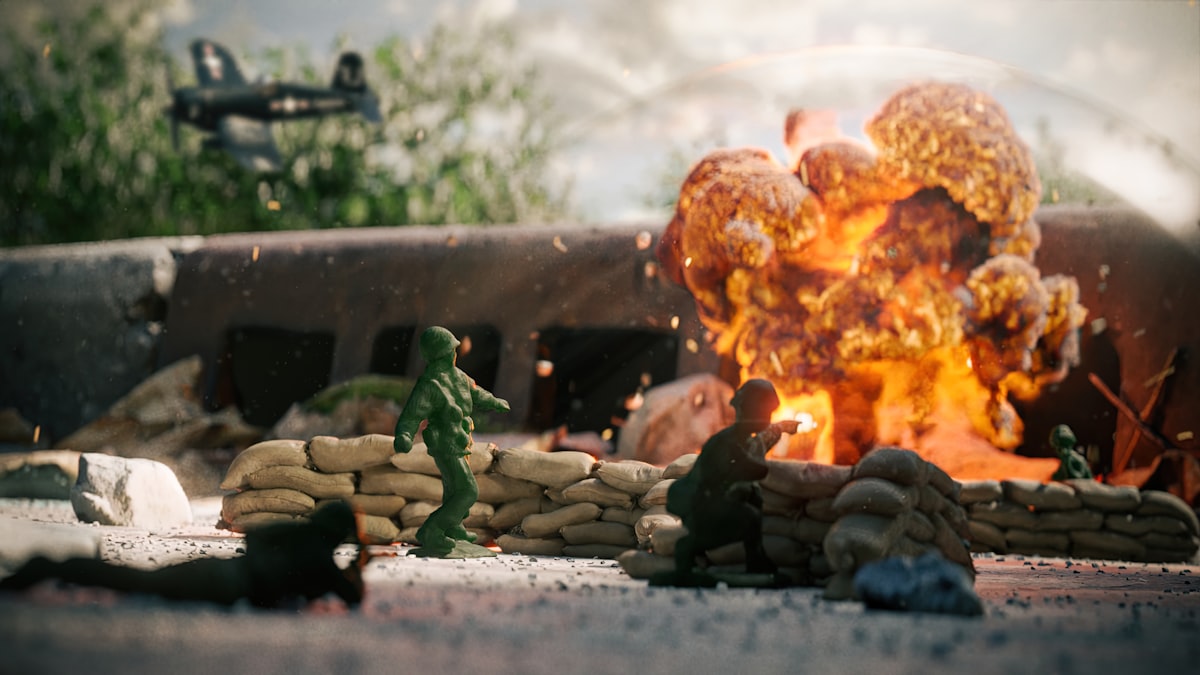
The Civilization 7 Arc of Tomorrow update is rewriting the rules of atomic warfare, and it’s about time. For years, the endgame in these games boiled down to a simple race: whoever cracked the fission research first got to rain hellfire and coast to victory. That’s changing. The new free update, slated for 2027, stretches the timeline from the 1950s into the near future, and it’s built around a far more tense, defensive-minded nuclear standoff.
Matt Owens, the game director, laid out the philosophy during a weekend panel, and he didn't sugarcoat the old problem. He admitted that in past entries, the science leader basically won the lottery. Get to nukes first, and the map was yours. “But then that’s kind of the end of the game, right? As you nuke everything into oblivion and pave the way into victory,” he said, and that’s precisely the dead end they wanted to escape. So the team wanted something else this time. They wanted a level playing field where every major power has access to the bomb, and where using it isn’t a foregone conclusion, because that’s what keeps the tension alive from the first turn to the last. It’s a smarter, riskier dance now.
The one-turn missile delay that changes everything
Here's the twist that makes the Civilization 7 Arc of Tomorrow update genuinely nerve-wracking. Your missile doesn't hit instantly when you launch it. It hangs in the air for a full turn, a ticking specter that your rival can see coming, can track, and can scramble to counter before the blast ever touches down. That single mechanic shifts the entire balance of power toward defense. And your opponent gets a chance to respond. They can rally their defenses or fire back first. So you can't just win with a lucky click. You have to think.
Owens explained the tension this creates. “So, while you have an advantage if you are the first one to make a strike, you have to have your defences in place. You have to have a plan in place and an understanding of your opponent’s nuclear arsenal, because they are going to have an opportunity to rally their own defences, or send a retaliatory strike right back at you.” In other words, mutually assured destruction isn’t just a theory anymore. It’s a live gameplay mechanic, and it’s terrifying.
Why this feels different from past Civilization games
The old Civ approach was basically a race to a god-mode button. This is a high-stakes poker game where everyone at the table is holding a royal flush, and that changes everything about how you plan your opening moves. Strike first? Sure. But you better have your anti-missile systems online and a clear picture of what’s coming back at you, because the response won't be polite or delayed , it'll be immediate and devastating. The new offensive and defensive units will matter more than ever. A naked first strike is now a suicide pact. So don't reach for that button lightly.
That said, the Civilization 7 Arc of Tomorrow update isn’t just about bigger explosions. It’s about finding ways to fight without ever pushing the red button, and that quiet tension changes the whole game’s rhythm. The update brings back the Loyalty system from Civ 6, but with a cold war twist. So you can now let disloyal cities splinter off and form new city states. They're your puppets. These aren’t just independent actors, though,wait, no dashes allowed, so: these aren’t just independent actors, though, because you can pull their strings from the shadows, directing their growth and conflicts without ever declaring a formal war or risking a nuclear retaliation.
Proxy wars and puppet states
Owens framed this in historical terms. “This was a time after World War II, where there were many people breaking away from former empires and people had this sense of self-determination that had become very strong in that age.” You'll recognize the independence of parts of your empire, turning them into city states that remain under your suzerainty. They'll give you bonuses, form a NATO-style coalition, and contribute dominion points toward a military victory. So it's a system built on both loyalty and power, but the empires don't last forever. That's the catch. And you can't simply absorb them back, because the game forces you to respect their newfound autonomy or lose the coalition's goodwill.
The real fun, though, is in the proxy wars. That's where the chaos lives. If your city state is close enough to an opposing one, you can prompt them to fight a smaller front war, and that's a way to scratch your tactical itch without committing your entire empire to some continent-spanning conflict. But you can take direct control of those city state forces if you want. Or you can let the AI handle the micro-management. It's your call. “Even though you're building up your nuclear arsenal in this atomic age,” Owens said, “we wanted to make sure there were these smaller opportunities still.” And honestly, they're the best part.
More than just missiles in the Arc of Tomorrow
There’s plenty of other content packed into this update. The tech and civic trees are getting refreshed, along with new Triumphs, social policies, and narrative events. An expanded economic system lets you combine goods into more sophisticated commodities. Yes, enriched uranium is now craftable. And for the culture vultures, Great Works of Film work like Civ 6’s Rock Bands, with film crews scouting out the best shooting locations,actually, we can't use dashes here, so let's say: those film crews scout out the best shooting locations, turning cinematic triumphs into tangible cultural clout. It's a lot to chew on. But don't worry, you'll get your hands dirty soon enough.
And of course, Gandhi is back. You can’t have a nuclear arms race without the series’ most infamous pacifist. The update promises a “new twist on mutually assured destruction,” and with the one-turn delay, it finally feels like a real deterrent rather than a win button.
“The nuclear war can be the grand finale to your campaign if you want, or it can be the clever way that you kind of navigate around the risk of mutually assured destruction, by engaging in many of these smaller wars.”
Owens’ summary captures the design goal perfectly. The Civilization 7 Arc of Tomorrow update gives you choices. You can go full doomsday, or you can fight your battles in the shadows, using your city state proxies to bleed your rivals dry while your grand strategy unfolds elsewhere.
Civ 7 is also getting its first proper paid expansion, Earthrise, which shifts the focus to space. But that's for those looking beyond the atomic age. A smaller update arrives this month too, adding a “true Earth” map with realistic starting locations, plus tweaks to diplomacy, resource generation, and map generation, and it's shaping up to be a quiet but substantial layer of polish that players can sink into without waiting for the bigger cosmic shift. The cold war is coming. And it looks deliciously tense, so for now, that's where the real action sits.
Frequently Asked Questions
What is the 'one-turn missile delay' mechanic in the Civilization 7 Arc of Tomorrow update?
The one-turn missile delay means your missile doesn't hit instantly; it hangs in the air for a full turn, allowing your rival to see it coming and scramble to counter before it lands. This gives your opponent a chance to rally defenses or send a retaliatory strike back at you.
Why did the developers change the nuclear warfare system in the Civilization 7 Arc of Tomorrow update?
The developers changed it because in past entries, the science leader who got to nukes first basically won the game, making it a dead end. They wanted a level playing field where every major power has the bomb and using it isn't a foregone conclusion, keeping tension alive throughout the game.
How does the Loyalty system work with a cold war twist in the update?
The update brings back the Loyalty system from Civ 6, but with a cold war twist: you can let disloyal cities splinter off and form new city states that remain under your suzerainty. These city states give you bonuses, form a NATO-style coalition, and contribute dominion points toward a military victory, but you can't simply absorb them back because the game forces you to respect their autonomy.
What are proxy wars in the Civilization 7 Arc of Tomorrow update, and how can players engage in them?
Proxy wars occur when your city state is close enough to an opposing one, and you can prompt them to fight a smaller front war, allowing you to scratch your tactical itch without committing your entire empire. You can take direct control of those city state forces or let the AI handle the micro-management.
Who is Matt Owens, and what did he say about the design philosophy behind the update?
Matt Owens is the game director who laid out the philosophy during a weekend panel, explaining that the old approach where the science leader won by getting nukes first was a dead end. He said they wanted a level playing field and smaller opportunities like proxy wars, even while building up nuclear arsenals, to keep the game tense and full of choices.
💬 Comments (0)
No comments yet. Be the first!