AMD's FSR 4 Rollout to Older GPUs Signals Broader Strategy
AMD's FSR 4 is finally coming to RDNA3 and RDNA2 GPUs starting July, with performance trade-offs – a strategic move to maintain broad compatibility against Nvidia DLSS.

FSR 4 rollout to older GPU architectures signals to the industry a deliberate shift in AMD's hardware lifecycle philosophy. Where some competitors treat upscaling technology as a premium anchor for new silicon, AMD is pushing it downstream to retain GPU owners who might otherwise sit out the current generation. The deeper question is positioning. If the technology works well on previous generation hardware, the value proposition for upgrading shifts entirely from image quality alone to other factors like raw compute performance and new features.
The Strategic Context of Software Lifecycles
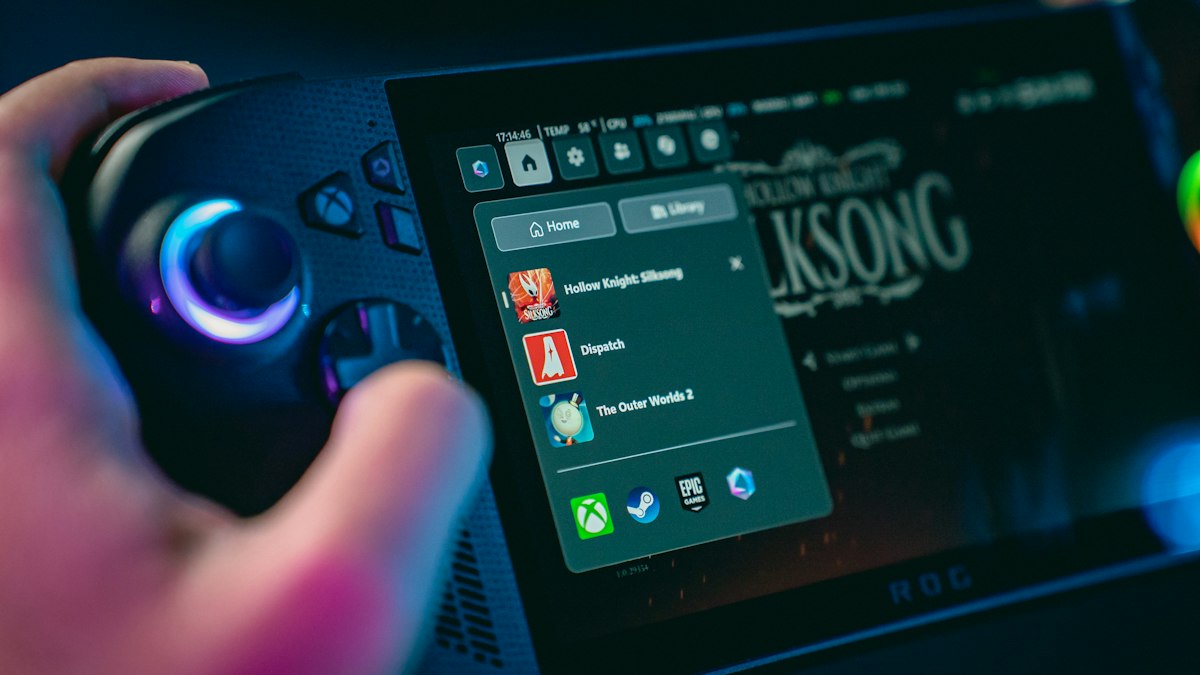
Looking at the wider sector, the PC gaming hardware market has entered a period where generational leaps in raw rasterization are diminishing. The conversation has moved toward feature sets: ray tracing, AI accelerators, and upscaling quality. Companies that can deliver FSR 4 and similar technologies across multiple hardware generations stand to build a more loyal customer base. The decision to backport FSR 4 aligns with this industry pivot toward software-defined hardware value. Read alongside recent announcements in the handheld gaming PC space and the console market, the picture clarifies. Consistency in the software stack across different hardware tiers is becoming a competitive necessity rather than a nice to have. This move sits within a broader pattern where platform holders seek to maximize the utility of their installed base through ongoing software investment.
Competitive Implications for the Sector
From a competitive standpoint, the upscaling market has become a central battleground in PC gaming. The company's strategy with FSR 4 appears to prioritize breadth of adoption over locking features to the latest hardware. This creates a distinct positioning in the market. Strip away the marketing and the calculation is straightforward. For developers, knowing that FSR 4 runs on a wide range of shipping GPUs reduces fragmentation and makes it easier to target the technology as a standard feature in new titles. This efficiency in development and testing can lead to better optimization across a wider array of PC configurations, which directly benefits the end user experience. The competitive advantage here is ecosystem stickiness: the more hardware that supports the feature, the more developers target it, and the more valuable the platform becomes.
The company's rationale, as presented, is that software capability should not be artificially gated by hardware generation. This message resonates with a user base that has become more cost conscious in the current economic climate.
The Developer and Publisher Calculus
For publishers funding large scale game projects, the install base for any given upscaling technology directly impacts the return on investment. A technology that bridges multiple GPU generations offers a larger addressable audience. AMD's approach to FSR 4 effectively standardizes the performance baseline for a significant portion of the PC gaming market. This reduces the fragmentation that often complicates PC game development and ongoing support cycles. It allows development teams to focus on a single optimization pathway rather than juggling multiple proprietary solutions. For live service titles that depend on broad accessibility to maintain player populations, this kind of wide hardware support is a practical advantage.
Market Implications and the Upgrade Cycle
The broader market implication of this FSR 4 rollout is a potential deceleration of the traditional GPU upgrade cycle. If players perceive that their current hardware gains a meaningful performance uplift through software updates, the urgency to purchase new silicon diminishes. This can be read as a double edged sword. It builds brand goodwill and platform loyalty, but it also requires the company to ensure its next generation hardware offers compelling reasons to upgrade beyond upscaling. The company is betting that extending the relevance of older GPUs will strengthen its ecosystem against competitive pressure in the long run. Industry watchers will be monitoring how this affects retail GPU sales velocity in the coming quarters. The strategy depends on volume: a happy, large install base creates a strong foundation for future architecture transitions.
For the PC gaming ecosystem, this decision reinforces the idea that optimization and software engineering can extend the practical lifespan of gaming hardware. Investors should note the shift toward long term platform value over short term upgrade pressure.
Reading the Esports and Competitive Gaming Angle
For esports organizations and competitive gamers, hardware consistency is critical. Frame rate stability and latency matter more than peak visual fidelity. FSR 4 extension to older GPUs means that esports teams can standardize on hardware platforms with greater confidence, knowing that the software support will not be artificially limited. This lowers the refresh cost for gaming venues and training facilities. It also ensures that a wider audience for competitive titles can access enhanced performance modes.
Forward View on the Rollout
AMD has not disclosed specific adoption targets for FSR 4 on older GPUs. The rollout plan as communicated focuses on expanding access methodically across the supported hardware stack. The company continues to develop its software stack with an eye on the long term. For investors and publishers tracking the PC ecosystem, the direction is clear. Software features are becoming the primary differentiator in the GPU market, and AMD is building its strategy around broad compatibility rather than hardware exclusivity. The success of this strategy could influence how the entire sector approaches the balance between software innovation and hardware generational transitions. The focus now shifts to execution and developer adoption in the months ahead.
Frequently Asked Questions
What is the broader strategy behind AMD's FSR 4 rollout to older GPUs?
AMD is pushing FSR 4 downstream to retain GPU owners who might otherwise skip the current generation, signaling a shift in its hardware lifecycle philosophy.
How does FSR 4's compatibility affect developers?
Knowing FSR 4 runs on a wide range of GPUs reduces fragmentation, making it easier for developers to target the technology as a standard feature and optimize across configurations.
What market implication does the FSR 4 rollout have on the GPU upgrade cycle?
The rollout may decelerate the traditional GPU upgrade cycle, as players perceive a performance uplift from software updates, reducing urgency to buy new hardware.
How does FSR 4 benefit esports and competitive gaming?
FSR 4 extension to older GPUs allows esports teams to standardize hardware with confidence in software support, lowers refresh costs for venues, and ensures wider access to enhanced performance modes.
What is AMD's stated rationale for not artificially gating FSR 4 by hardware generation?
AMD's rationale is that software capability should not be artificially gated by hardware generation, resonating with a cost-conscious user base.
💬 Comments (0)
No comments yet. Be the first!