7 Games That Marked the End of an Era for Couch Co-Op
From Super Smash Bros. Brawl to Among Us, explore how shifting gaming trends have redefined the couch co-op experience.
Couch co-op has changed
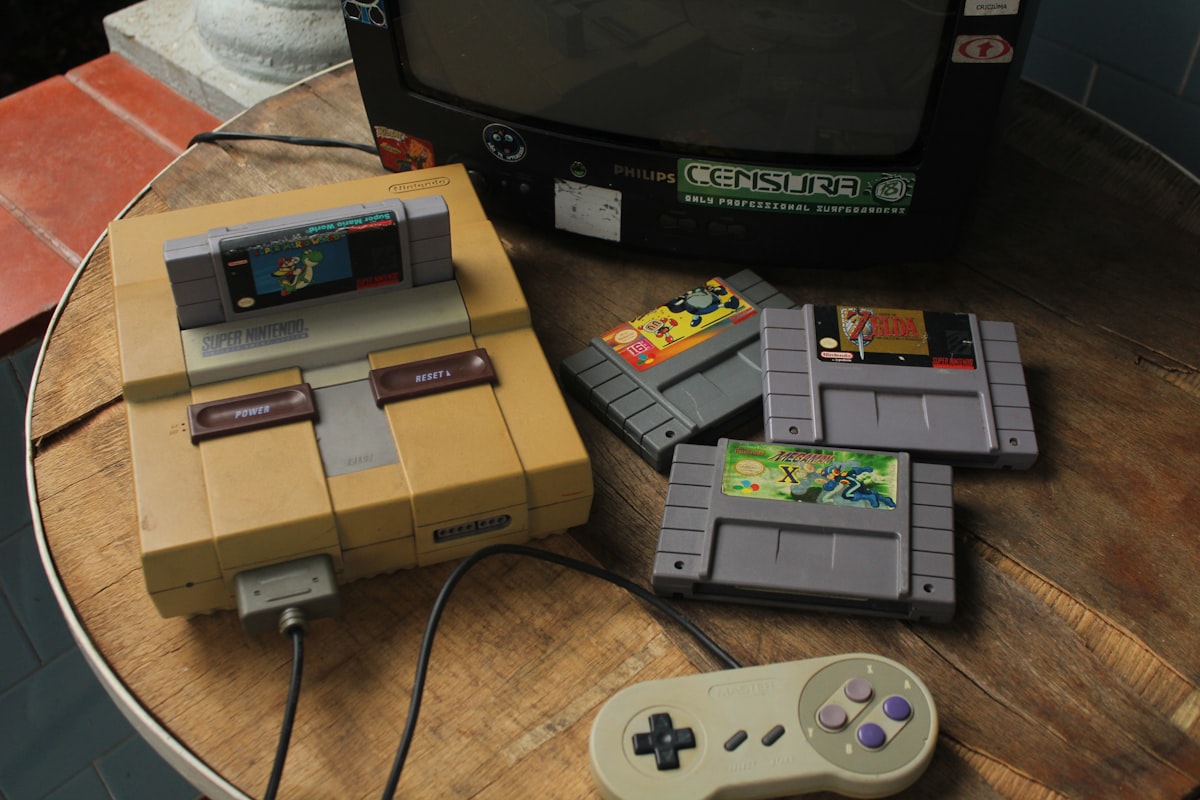
Couch co-op gaming is a beloved tradition. But the way we share experiences with friends has quietly shifted from a single living room to vast online spaces where players compete and cooperate across continents, and that evolution doesn't mean the end of playing together. Many of us trace our earliest memories to someone handing over a controller and offering a simple tutorial on the fly. This local style of play persists. Yet the rise of internet connectivity has expanded our definition of a shared session beyond one room into a global network of friends and strangers. So we've adapted.
Minecraft and the modding divide
Minecraft illustrates the tension between personal setups and digital convenience. It's a brilliant sandbox for creativity. But playing with others often means dealing with technical hurdles, and modding allows for deep customization even though these experiences are frequently siloed away from the simpler, local versions of the game found on consoles. Managing servers or coordinating cross-platform play forces players to choose between the ease of local split-screen and the deeper, mod-supported experiences available online.
Super Smash Bros. Brawl opened the gate
Super Smash Bros. Brawl normalized online competition. The ability to connect with friends across state lines was a revelation for those who struggled to find local partners, but this accessibility fundamentally altered the community atmosphere. Local gatherings feel dominated by competitive play. Even the midnight launch party for Super Smash Bros. Ultimate at a local GameStop now highlights that shift. The focus moved from the couch to the leaderboard instead of the casual social sessions of the past.
Super Mario Maker 2 and the online turn
Super Mario Maker 2 represents a point where Nintendo embraced the digital expansion of its platformers. But it's more than that. It's a social revolution. The game turned the concept of level creation into a shared online endeavor, allowing players to pull from a global pool of user-generated content that other developers had long ago accepted as a reality, so this move acknowledged what many already knew. Online connectivity adds a dimension that local play can't replicate on its own.
The decline of the LAN party
Counter-Strike: Global Offensive marks how faster internet changed our social lives. But in the previous decade, gathering at a friend’s house to wire computers together was the standard way to ensure high performance and low latency. That's gone now. As home internet speeds increased throughout the 2010s, the necessity of the LAN party vanished, and the anti-social gamer no longer needed to leave the house to achieve the performance once reserved for a basement full of linked towers.
Mario Party and the distance factor
Super Mario Party brought a long-awaited feature to a franchise defined by three decades of local chaos. Online play is a welcome addition. But it has changed how people engage with the series. The convenience of matchmaking means that the ritual of hosting a group in one's home is becoming less common, so the game remains chaotic but the venue has moved from the living room to the lobby.
The cost of modern connectivity
- Pokemon Pokopia creates a barrier for local co-op by requiring two separate consoles.
- Nintendo attempts to mitigate hardware requirements through features like GameShare.
- The dependency on owning multiple devices makes local play less accessible in the current economy.
- Hardware upgrades, such as moving from an original Switch to a Switch 2, do not inherently simplify the setup for everyone.
The pandemic effect
Couch co-op isn't over. But it's clear that the way we connect with each other has simply expanded rather than been replaced by something entirely new, so we've got more options now than ever before, even if that traditional living room session now shares the stage with so many online competitors and friends.
Frequently Asked Questions
What does Super Mario Maker 2 represent in the context of couch co-op?
Super Mario Maker 2 represents a point where Nintendo embraced the digital expansion of its platformers, turning level creation into a shared online endeavor. It allows players to pull from a global pool of user-generated content, adding a dimension that local play can't replicate on its own.
Why did the necessity of LAN parties vanish according to the article?
The necessity of the LAN party vanished as home internet speeds increased throughout the 2010s, making high performance and low latency achievable without gathering at a friend's house. This shift meant the anti-social gamer no longer needed to leave the house to achieve the performance once reserved for a basement full of linked towers.
How did Super Smash Bros. Brawl change the community atmosphere?
Super Smash Bros. Brawl normalized online competition, allowing players to connect across state lines and fundamentally altering the community atmosphere. Local gatherings became dominated by competitive play, shifting focus from the couch to the leaderboard instead of casual social sessions.
What barrier does Pokemon Pokopia create for local co-op?
Pokemon Pokopia creates a barrier for local co-op by requiring two separate consoles to play together. The dependency on owning multiple devices makes local play less accessible, especially in the current economy, even with features like GameShare to mitigate hardware requirements.
According to the article, has couch co-op ended or changed?
The article states that couch co-op isn't over, but the way we connect has simply expanded rather than being replaced by something entirely new. We now have more options than ever before, with traditional living room sessions sharing the stage with many online competitors and friends.
💬 Comments (0)
No comments yet. Be the first!