McLaren's $500M Sponsorship Leap: Fan Reality Check
McLaren $500 million sponsorship leap and papaya rebrand brought fan love and driver tensions. The honest reality for F1 followers.
McLaren $500 million sponsorship revenue is the number reshaping what fans thought was possible in Formula One. Ten years ago, the same team scraped together less than $50 million. Let that sink in. A 10x leap. Not from a tech startup. From a racing team that was finishing ninth and bleeding relevance.
From Darth Vader to Papaya
Zak Brown walked into a mess when he took over McLaren. The team had record low sponsorship. Employees were unhappy. Results were embarrassing for a squad that had been the second most successful in F1 history. The vibe inside the garage was dark and closed off.
Brown called the team Darth Vader. And he meant it as a diagnosis, not a compliment.
I called us Darth Vader, and people like Darth Vader. Darth Vader can be cool. Foreboding. But Luke Skywalker is the good guy. So we went to our papaya, which was our iconic color, orange, and we did that because that's what the fans wanted.
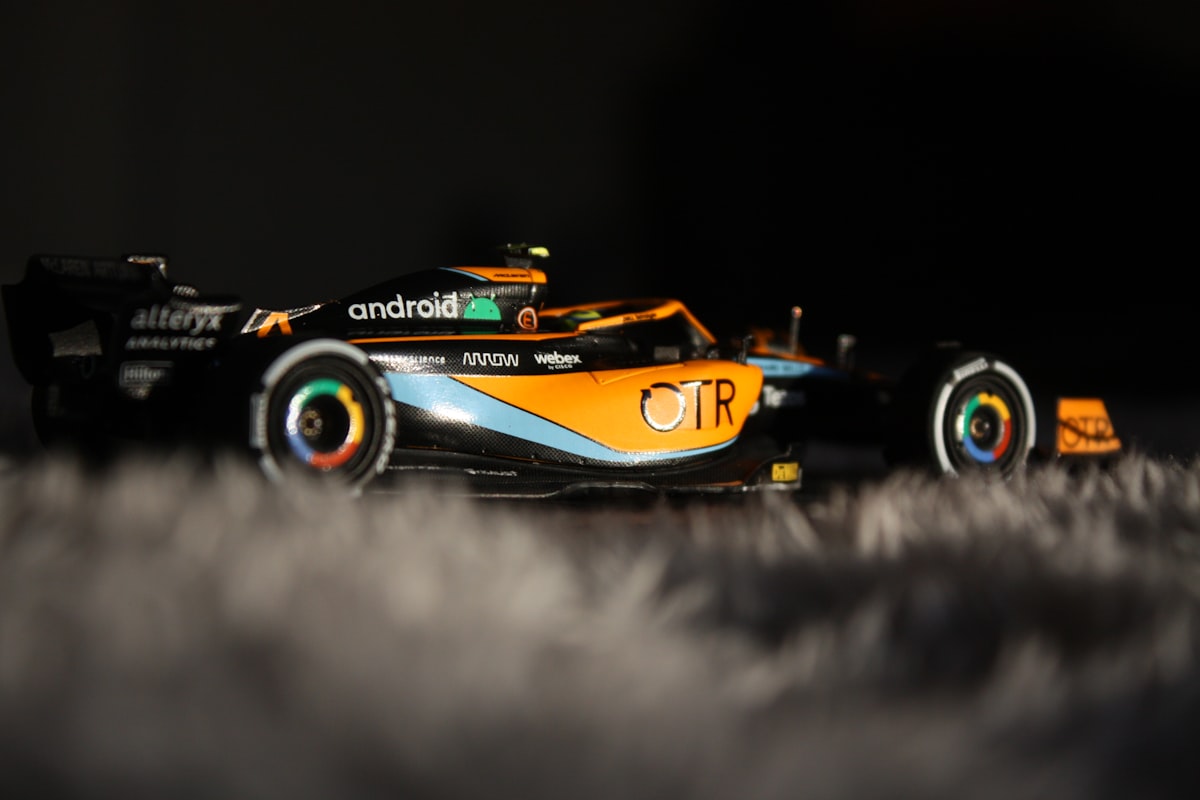
That color switch was not cosmetic. It was strategic. The team started engaging fans differently. Recent data shows McLaren became the most loved and least disliked racing team on the grid. In a sport built on polarization, being the team nobody hates is a genuine competitive advantage.
The Watches That Started Everything
You cannot understand the McLaren $500 million sponsorship story without understanding where Brown learned to hustle. He was 13 years old. He went on Wheel of Fortune teen week. Won $3,050. Bought his and hers Cartier watches. Why? Because they were the most expensive thing on the prize list.
Years later, he wanted to go racing. Mario Andretti told him to start with karting. Brown remembered the watches sitting in a drawer. Took them to a Van Nuys pawn shop. Sold them. Bought a go-kart. A career was born from a game show prize and a teenager who did not ask permission.
The Airline Ticket Economy
Brown raced for ten years. But his family could not fund a Formula One dream. His mom, a travel agent, gave him her salary for one year. She also knew someone at TWA who liked racing. Brown got airline tickets. Then he got creative.
He would walk into companies and say: give me $50,000 to go racing, and I will give you $50,000 in airline tickets plus put your logo on my car. It worked. He was running a mini enterprise before he was old enough to rent a car. That bartering instinct later built the world's largest motorsports agency.
Why the Turnaround Actually Worked
When Brown arrived, the team blamed Honda for everything. McLaren was finishing ninth. The narrative was simple: the engine supplier is failing us. Then they switched to Renault. The team jumped to sixth. Improvement, yes. But sixth is not first.
That gap from sixth to first? That was on McLaren. Not Honda. Not anyone else. Brown saw it clearly. He changed the leadership team one person at a time. He attacked the commercial side because that was his home turf. And he waited for someone big to believe.
Dell Technologies became that believer in 2018. The first major name to buy into the new vision.
Success Begets Success
Once Dell signed, others followed. Google. Mastercard. The McLaren $500 million sponsorship pipeline did not fill overnight. It built one credible name at a time. Revenue funded better technology. Better technology attracted better drivers. Better drivers delivered results. Results brought more sponsors.
$50 million became $500 million. Ninth place became constructors' champions in 2024, the first title since 1998. In 2025, the team secured 12 wins, including Monaco. The flywheel was real.
What This Means for You, the Fan
Here is where it gets tricky. McLaren has two of the nicest guys in the world driving for them: Lando Norris and Oscar Piastri. When the helmets are off, they are personable and likable. When the helmets go on, they are ruthless. Both want to win. Both can win.
And that creates a weird dynamic no stick-and-ball sport prepares you for.
The Two-Driver Problem
If you are a Yankees fan, you cheer for everyone on the Yankees. You might love Aaron Judge most, but you do not actively root against the rest of the lineup. F1 does not work that way. When Norris and Piastri become each other's biggest rivals for a championship, fans pick sides. Hard.
Brown has watched fans get grumpy with the team when their preferred driver loses to the teammate. The team wants you to be a papaya fan first. Love both drivers. But the sport's structure works against that. Individual glory conflicts with team loyalty every race weekend.
The McLaren $500 million sponsorship empire depends on keeping both drivers competitive and both fan bases engaged without letting the rivalry tear the garage apart.
The Money Is Real. So Is the Pressure.
1,400 people work at McLaren. About 1,000 of them focus on Formula One. They walk past trophies and championship memorabilia every day. The history is inescapable. The expectations are too.
McLaren $500 million sponsorship revenue means the team now has resources it could only dream of a decade ago. But it also means the stakes are higher. Fans expect wins. Sponsors expect returns. Two world class drivers expect fair treatment.
Key things to know about where McLaren stands right now:
- Annual sponsorship revenue approaching $500 million, up from less than $50 million ten years ago
- Constructors' championship winners in 2024, the first title since 1998
- 12 race wins in 2025, including the Monaco Grand Prix
- Two drivers, Lando Norris and Oscar Piastri, both capable of winning a world championship
- Named the most loved and least disliked team on the grid in recent fan data
McLaren $500 million sponsorship figure is not just a vanity metric. It represents a complete organizational rebuild. Leadership changes. Culture shifts. A color change driven by fan demand. And a commercial strategy rooted in the same hustle that turned a teenager's pawned watches into a racing career.
The Verdict
The money is impressive. The turnaround is real. But the fan experience is about to get complicated. When two drivers on the same team can both win it all, every race becomes a pressure cooker. McLaren built the infrastructure. Now they have to manage the chemistry.
If you are a fan, pick your driver. Just do not forget the team wants you cheering for both. Good luck with that.
Frequently Asked Questions
What was the approximate increase in McLaren's sponsorship revenue over the past decade?
McLaren's annual sponsorship revenue grew from less than $50 million ten years ago to approaching $500 million currently. This represents a 10x leap over the decade.
Why did Zak Brown change the team's color to papaya orange?
Zak Brown changed the color because that is what the fans wanted, as the team had a dark, closed-off 'Darth Vader' atmosphere. The article states the switch was strategic, not cosmetic, and was part of engaging fans differently.
How did Zak Brown initially fund his racing career using a game show prize?
At age 13, Brown won $3,050 on Wheel of Fortune teen week and used the money to buy Cartier watches. Years later, he pawned those watches to buy a go-kart, which launched his racing career.
Who are the two McLaren drivers mentioned as both capable of winning a world championship?
The two drivers are Lando Norris and Oscar Piastri. The article describes them as 'two of the nicest guys in the world' and notes that both can win a world championship.
What challenge does the article describe for fans when both McLaren drivers are championship contenders?
The article describes a 'two-driver problem' where fans pick sides when Norris and Piastri become each other's biggest rivals. This creates a dynamic where the team wants fans to be 'papaya fans' first, but the sport's structure works against that.

Isabella Moretti writes about culture and society, exploring how digital life is reshaping the way we create and connect. She covers the people and ideas at the centre of the conversation.
💬 Comments (0)
No comments yet. Be the first!