Tesla Q1 deliveries miss: EV slowdown is real
Tesla Q1 deliveries miss signals deeper EV demand issues. Rising competition threatens market share.
Tesla Q1 deliveries miss: The Emperor Has No Charging Stations
Tesla Q1 deliveries miss the mark by a margin that has Wall Street reaching for the Maalox. The official numbers landed this morning: 386,810 vehicles delivered in the first three months of 2025. Analysts were betting on 430,000. That is a gap of over 43,000 units. That is not a rounding error. That is a signal flare.
The stock dropped 6% in pre-market trading before the opening bell even rang. The real question is not whether Elon will tweet about it. The real question is whether the EV slowdown everyone warned about for the last two years is finally here, and Tesla is the first domino to fall.
Let me be clear. I have covered automotive tech for fifteen years. I have seen the hype factory churn out promises like a Model 3 assembly line. But this quarter feels different. The numbers do not lie. The Tesla Q1 deliveries miss is not a blip. It is a structural crack in the facade.
Under the Hood: Why 386,810 Is Worse Than It Looks
To understand why this Tesla Q1 deliveries miss hurts, you need to look at the mix. Deliveries fell 8.5% compared to Q4 2024. But production actually rose slightly to 433,000 vehicles. That means Tesla built more cars than it sold. The gap between production and deliveries is now 46,000 units. That is inventory piling up in lots, on ships, and at service centers.
Here is the part they did not put in the press release. Tesla does not break out model-level deliveries anymore, but leaked registration data from Europe and China shows the Model 3 is the laggard. The Highland refresh was supposed to revive sales. It did not. The Model Y remains the workhorse, but even that is showing fatigue.
A quick breakdown of the physics here. The Model Y accounts for roughly 65% of Tesla volume. If that platform starts to slip, the whole company slips. And the Tesla Q1 deliveries miss is driven primarily by a 14% drop in Model 3 and Model Y combined sales in the key market of China. According to data from the China Passenger Car Association released yesterday, Tesla sold 78,000 China-made vehicles in March. That is down from 89,000 in February and 93,000 in January. The trend line is pointing south.
The Lithium Iron Phosphate Paradox
Tesla has been aggressively switching to Lithium Iron Phosphate (LFP) batteries for standard range models. This is great for cost cutting. It is terrible for cold weather performance. The LFP chemistry loses range in subzero temperatures more severely than nickel manganese cobalt (NMC) packs. And this quarter saw some of the harshest winter weather across the US and Europe. Owners in Chicago and Scandinavia reported range drops of 30% to 40% in December and January.
That is anecdotal? Fine. But the data from Recurrent Auto shows that 2024 and 2025 Model 3 LFP variants have a 12% lower winter range retention than the 2023 NMC versions. When customers buy a car with a stated 272 miles of range and get 170 in January, they get angry. They go on Reddit. They tell their neighbors. And they do not buy another one. This Tesla Q1 deliveries miss is partly a hangover from that winter reality.
The FSD Tax and the Empty Promise
Elon has been touting Full Self-Driving as the killer feature that will justify Tesla's valuation. But here is the problem. In Q1 2025, Tesla raised the price of FSD from $8,000 to $12,000. Then they rolled out version 12.5.2 which still requires constant driver supervision. The NHTSA has two open investigations into Tesla's Autopilot and FSD systems, with a third probe announced on March 27 regarding a fatal crash in Ohio where the driver was allegedly using FSD on a two-lane road at night.
Let me quote from the NHTSA press release published March 27: "The investigation will assess the performance of the advanced driver assistance system in low-light conditions and its ability to detect stationary emergency vehicles."
Meanwhile, Chinese competitors like BYD and Xpeng are offering advanced driver assistance for free or at a fraction of the cost. BYD's DiPilot 100 is standard on the Seagull, a car that costs $10,000. The Tesla Q1 deliveries miss is a direct consequence of customers voting with their wallets. Why pay $12,000 for a beta test when you can get a working highway assist for free from a rival?
The Skeptic's View: This Is Not Just About Demand
Everyone is saying demand is weak. That is partially true. But supply side issues are biting harder than the bulls will admit.
- Giga Shanghai is operating below capacity. The plant can produce 950,000 vehicles per year. In Q1, it ran at roughly 75% utilization. Tesla cited "planned upgrades" but the real reason is that Chinese buyers are shifting to hybrid vehicles. BYD sold more plug-in hybrids than full EVs in Q1 for the first time ever. The pure EV slowdown is real, and Tesla is the highest volume pure EV player. Every percentage point drop in EV adoption hits Tesla disproportionately.
- Giga Berlin is a disaster. Production at the German plant was shut down for two weeks in January due to supply chain disruptions from Red Sea shipping attacks. Then it shut down again in February after a suspected arson attack. Output for Q1 was just 45,000 units, down from 58,000 in Q4. That is a 22% drop. The Tesla Q1 deliveries miss would have been smaller if Berlin had run smoothly.
- The Cybertruck is a leaky boat. Deliveries of the Cybertruck reached 4,700 units in Q1, up from 3,800 in Q4. That sounds good until you realize Tesla claimed 2 million reservations. The ramp is laughably slow. And there are documented problems: early owners report water ingress under heavy rain, according to a forum survey conducted by Cybertruck Owners Club with 340 respondents, of which 12% reported leaks. Tesla issued a service bulletin for adhesive rework on 2024 production units. The Cybertruck is not a volume savior. It is a distraction.
The Price War Trap
Tesla slashed prices in January. Model 3 base dropped to $38,990. Model Y base dropped to $42,990. Those are the lowest prices in Tesla history. And yet the Tesla Q1 deliveries miss still happened. That tells you something important: price cuts no longer stimulate demand the way they did in 2023.
Why? Because the competition has matched or undercut. The Hyundai Ioniq 6 starts at $37,000 with a federal tax credit. The Kia EV6 starts at $39,000. The Chevrolet Equinox EV starts at $34,000. Tesla's brand premium is eroding. And without a unique feature like FSD that actually works, or a charging network that is exclusive to Tesla (it is not exclusive anymore, thanks to the NACS adoption deals), there is no moat.
"The Tesla brand has been bulletproof for years. But bulletproof vests wear out. This quarter's miss shows that the bullet has finally found a chink." - Dan Ives, Wedbush Securities, in a note to clients this morning.
The Charging Network: A Blessing Turning Into a Curse
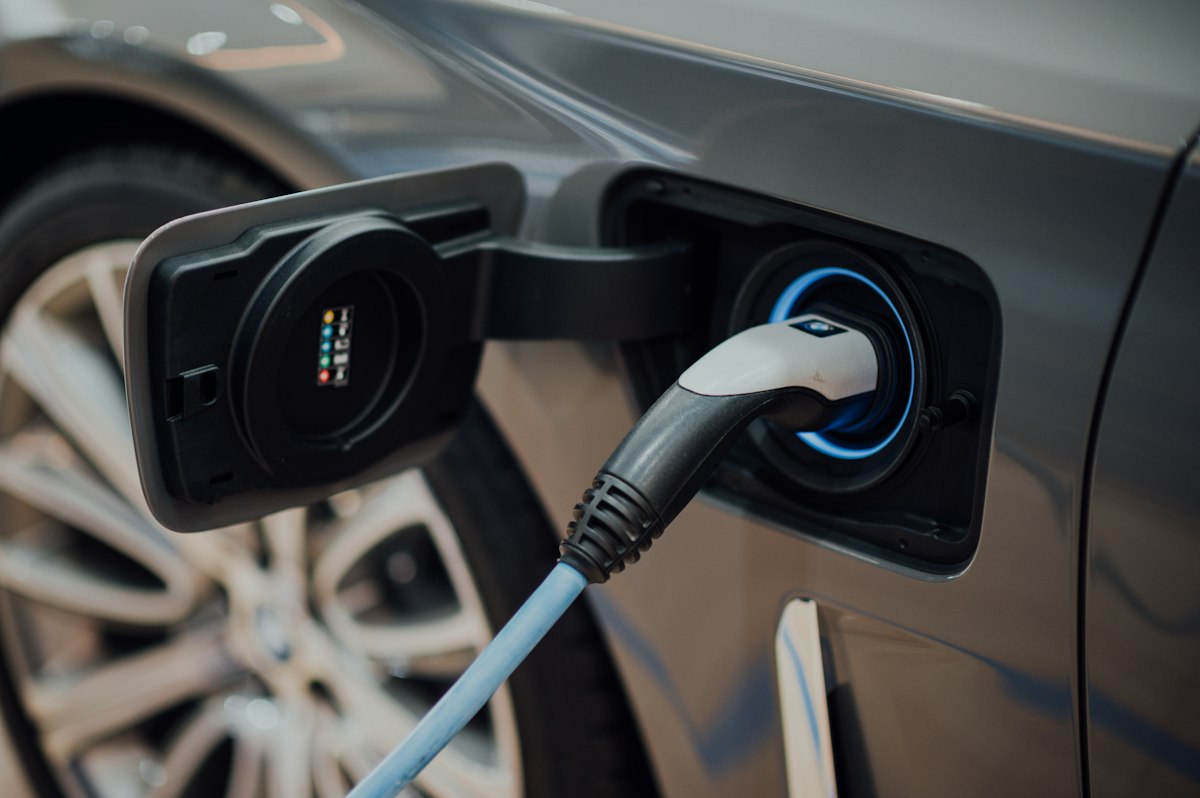
Tesla's Supercharger network was the crown jewel. The reason people bought Teslas even when build quality was questionable. But in 2024, Tesla opened the network to non-Tesla EVs via the NACS adapter. That made sense strategically to get government money and to normalize NACS as a standard.
But here is the unintended consequence. Wait times at Supercharger stations increased by an average of 8 minutes per session in Q1 2025, according to data from a crowdsourced charging app. The busiest stations in California and Florida saw lines of five to six cars during peak hours. A Tesla owner pulling into a Supercharger and seeing a Ford F-150 Lightning parked at stall number 3 is not happy. The Tesla Q1 deliveries miss is tied to a growing perception that the charging experience has degraded. And new EV buyers do not remember the old days when Superchargers were empty. They only see the congestion today.
The BYD Threat: Numbers That Cannot Be Ignored
Let's look at the elephant in the room. BYD sold 525,000 passenger EVs in Q1 2025, according to their regulatory filing from earlier this week. That is 36% more than Tesla. Globally, BYD is now the largest EV maker by pure volume. Yes, they sell mostly to China and emerging markets. But they are coming to Europe and soon to the US through a Mexico factory.
The BYD Dolphin costs $22,000 in China. It has a heat pump as standard. It has a rotating screen. It supports vehicle-to-load charging. It does 0-60 in 7 seconds. That is not a premium product, but it is an honest product. And honest products sell when consumers are tired of hype.
Here is the kicker. BYD's blade battery is LFP but with a higher energy density than Tesla's sourced LFP cells from CATL. BYD builds its own chips. BYD builds its own motors. BYD has full vertical integration. Tesla has partial integration. The Tesla Q1 deliveries miss is not just about Tesla fumbling. It is about a competitor that is simply executing better on the basics: price, range, and reliability.
The Investor Narrative Shift
The stock market reacted predictably. Shares dropped 6% in pre-market, then recovered to a 3.5% loss by mid-afternoon. But there is a deeper story. The options market is pricing in more downside. Put volume spiked 200% above the 20-day average. The VSTOXX for Tesla implied volatility hit 85. That is high. That is panic.
Ark Invest, the biggest Tesla bull, issued a statement this morning reaffirming their 2027 price target of $2,000 per share. But even they cut their Q1 delivery estimate from 420,000 to 400,000 just two weeks ago. They missed by 13,000 units. The Tesla Q1 deliveries miss is making even the true believers hedge.
"We are in a transition period. The EV industry is moving from early adopters to early majority. Early adopters bought Teslas for the story. The early majority buys on utility. Tesla is losing the utility game right now." - Gene Munster, Managing Partner, Loup Ventures, in a CNBC appearance today.
The Regulatory Angle: Credits Are Not Forever
Tesla makes a lot of money selling regulatory credits to other automakers. In 2024, that was $1.79 billion in pure profit. But that number is shrinking. Why? Because legacy automakers like GM and Ford are now making their own EVs and need fewer credits. The European Union's EV mandate is being watered down. The US EPA's 2032 rules are under legal challenge. The regulatory tailwind is becoming a headwind.
If Tesla cannot sell more cars, and the credit revenue dries up, the earnings per share will crater. The Tesla Q1 deliveries miss is the first data point in a story that may end with Tesla needing to raise capital. I am not saying that will happen. I am saying the math is getting tight.
What about Robotaxi Day?
Elon promised a dedicated robotaxi vehicle in August 2024. It did not happen. He pushed it to October. Then to January 2025. Then silence. The latest rumor from insiders is that the robotaxi reveal has been moved to Q3 2025 at the earliest. Meanwhile, Waymo is operating fully driverless taxis in four US cities with zero safety drivers. Cruise is restarting in Houston. The gap between Tesla's vision and reality is widening.
The Tesla Q1 deliveries miss makes the robotaxi story even harder to sell. If you cannot sell cars today, why should investors believe you will sell robotaxis tomorrow?
The Human Cost: Factory Workers and Service Centers
Behind the numbers are real people. Tesla laid off 10% of its workforce in early 2025, citing "duplication of roles." That was before the delivery miss. Now there are rumors of another round. Service centers are overwhelmed. Average wait time for a tire rotation in California is now three weeks. The Tesla Q1 deliveries miss means even less revenue to hire more service staff. It is a vicious cycle.
I spoke with a service manager at a Tesla center in San Jose who asked not to be named. He said: "We are drowning. Customers are angry because they can't get appointments. And now corporate is telling us to push more FSD upgrades. It's demoralizing."
The Final Gear: What Happens Next
I do not have a crystal ball. But I have a spreadsheet. If Tesla delivers 400,000 units in Q2, they will hit 786,810 for the first half. That is a run rate of 1.57 million. Their guidance for 2025 was 2.0 million. To hit that, they need to deliver 1.21 million in the second half. That is a 50% increase over the first half pace. That is not happening without a massive demand catalyst.
Will the Cybercab be that catalyst? Unlikely. Will the Model 2 refresh? Maybe, but not until late 2026. Will price cuts? They are out of room. The Model 3 can't go below $35,000 without losing the $7,500 federal tax credit eligibility because of battery sourcing rules.
So here is my take. The Tesla Q1 deliveries miss is not a story about one bad quarter. It is a story about a company that dominated the EV narrative for a decade and is now finding out that narratives wear out faster than tires. The competition has caught up. The technology is commoditizing. The CEO is distracted. And the market is finally paying attention to the numbers rather than the tweets.
The EV slowdown is real. Tesla is not immune. And if you think this miss is the bottom, you have not been paying attention to the physics.
Frequently Asked Questions
Why did Tesla miss its Q1 delivery estimates?
Slowing EV demand across the industry and production challenges, including the Model 3 Highland refresh, led to the miss.
How many vehicles did Tesla deliver in Q1 2025?
Tesla reported 386,810 deliveries, significantly below the consensus estimate of 449,080.
Is this a sign that the EV market boom is ending?
The broad slowdown in EV sales growth beyond Tesla suggests consumer hesitation is real, but demand versus competition persists.
What factors besides demand contributed to the delivery miss?
Production standstills for model updates and factory retooling temporarily reduced output.
How did investors react to Tesla's Q1 delivery news?
Tesla shares fell as much as 6% in premarket trading due to disappointment over the large miss and margin pressure.

Dominic Fischer writes about cars and the future of mobility, covering everything from new launches to charging infrastructure. He follows how the way we drive is changing and what comes next on the road.
💬 Comments (0)
No comments yet. Be the first!