K-Swapped Honda CR-V Hits 200 Horsepower
Speed Academy completes an ambitious K24 engine and manual transmission swap for a high-mileage Honda CR-V.
K-Swapped Honda CR-V delivers surprising power
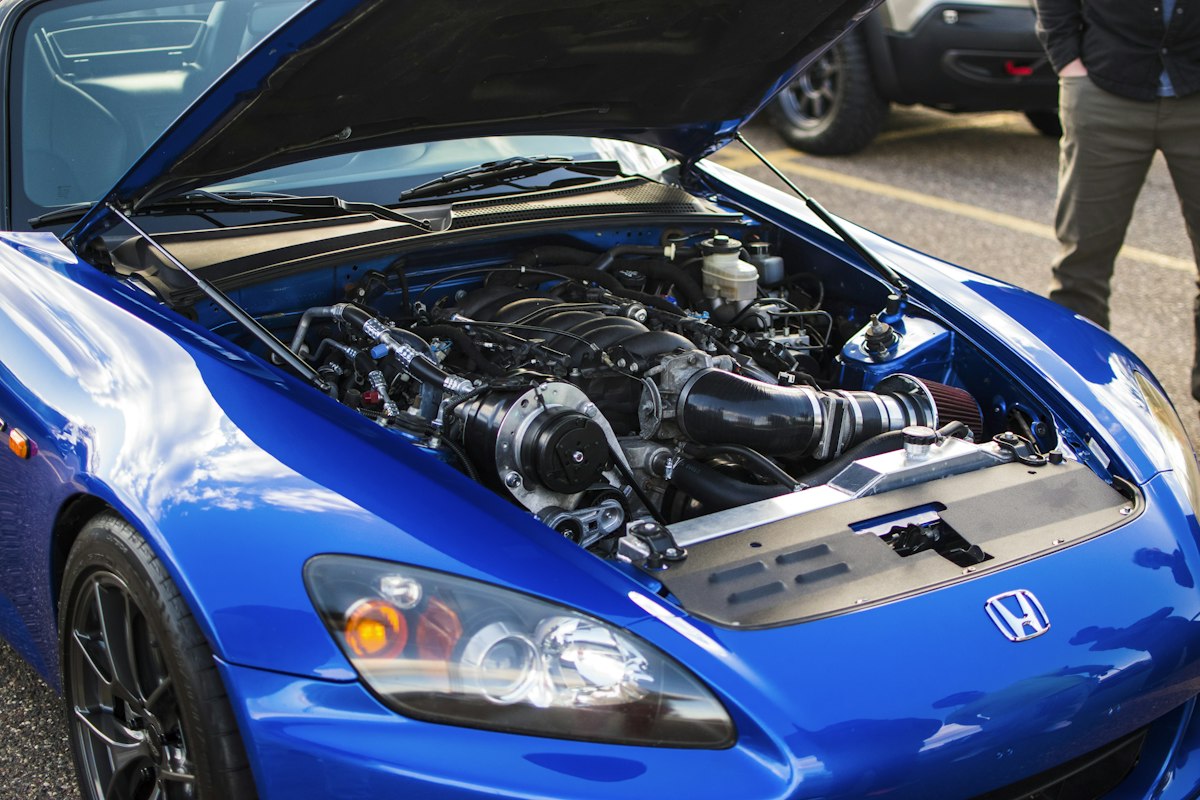
K-Swapped Honda CR-V builds are typically reserved for lightweight chassis, but a recent project proves the formula works for this practical SUV, where the team successfully revitalized a vehicle that's traveled 400,000 kilometers. The factory engine was tired. So they replaced it with a 200-horsepower unit.
Engineering around tight spaces
The transition from the original B20 engine to the modern K24 powerplant presented immediate mechanical challenges, because fitting the larger engine required addressing axle clearance issues where shafts made contact with lower shock forks. The team didn't revert. So, instead of using an older subframe setup, they opted for custom fabrication.
FCS Race produced wider tubular lower shock forks, which provided the necessary room for the axles. A secondary issue surfaced. But when the tie rods interfered with the suspension at full steering lock, it's clear that the solution involved a clever reconfiguration of the existing parts:
- Swapping the tie rods from the left side to the right side.
- Reversing the orientation of the tie rods to change the angle of the bends.
- Creating 10 mm of clearance at full steering lock when using 18-inch wheels.
Solving the shifting mystery
The engine was finally mounted. Then, the team faced a baffling transmission problem that left them completely stumped, as the wheels continued to spin despite the clutch pedal being pressed firmly to the floor while the gearbox refused to engage any gears. It's frustrating. Initial inspections of the clutch assembly didn't show any obvious signs of damage.

The breakthrough came when comparing the installed Exedy Stage 1 clutch disc against an OE replacement, as the original disc was binding on the transmission input shaft splines and preventing proper disengagement. It's a simple swap. So switching over to the OE-style disc fixed the issue, while the installation of a correct five-speed shift selector restored the full range of gears.
Dyno testing the results
The mechanical gremlins were finally gone. After we disconnected the rear driveshaft to prepare the car for front-wheel-drive testing, the internal stock K24 engine hit the dyno and produced some truly impressive output figures. It's fast. So, we've confirmed they're performing well.
The final results landed right around 200 wheel hp, essentially matching expectations.
Heat mattered. During the test, power dipped to 195 hp when the engine was hot, but the recorded data clearly highlighted the dramatic impact of the engine technology used in this specific build. And engaging VTEC resulted in a surge of 60 wheel horsepower and over 10 lb-ft of torque, illustrating the performance profile of the K-series platform. It's fast.
Improving the daily drive
It's fast now. The K-swapped Honda CR-V feels much more confident on the road, especially when you consider that the original engine, which produced roughly 125 wheel hp, struggled to move the heavy chassis without considerable effort. It accelerates with purpose. So, while it doesn't match the blistering speed of a lightweight Civic, the added torque provides a major improvement in daily usability as it handles passing maneuvers with ease.
Future performance potential
The project's a success. But because the current setup relies on a restrictive header and a quiet rear muffler, which keep the exhaust note subdued, there's room for further development. The builders believe it's just the beginning for this platform.
A better header, less restrictive exhaust, and other bolt-on components could potentially push output toward 230 hp or more, providing a substantial boost for those seeking extra power.
Frequently Asked Questions
What primary mechanical challenges did the team face when fitting the K24 engine into the K-swapped Honda CR-V?
The transition from the original B20 engine to the K24 required addressing axle clearance issues where the shafts contacted the lower shock forks. To solve this, the team used custom fabricated, wider tubular lower shock forks produced by FCS Race.
How did the team resolve the steering interference issue encountered during the engine swap?
The tie rods interfered with the suspension at full steering lock during testing. The team fixed this by swapping the tie rods from the left to the right side and reversing the orientation of their bends, which created 10 mm of clearance.
Why was the transmission failing to engage gears despite the clutch being pressed to the floor?
The team discovered that the installed Exedy Stage 1 clutch disc was binding on the transmission input shaft splines, which prevented proper disengagement. Switching to an OE-style disc and installing the correct five-speed shift selector restored the full range of gears.
How does the performance of the K-swapped Honda CR-V compare to the original factory engine?
The new K24 engine produces approximately 200 wheel horsepower, which is a significant increase over the original engine's 125 wheel horsepower. This added torque allows the heavy chassis to handle passing maneuvers with ease and accelerates with much more purpose.
What future modifications could potentially increase the engine output of this project?
The builders believe that installing a better header, a less restrictive exhaust, and other bolt-on components could push the output toward 230 horsepower or more. Additionally, the installation of a turbocharger remains a possibility for those wanting to further increase the vehicle's speed.

Sebastian Wolf reports on the car industry, from performance machines to the engineering that powers them. He is fascinated by how manufacturers balance tradition with the rapid move to electrification.
💬 Comments (0)
No comments yet. Be the first!