Why Sharebite Bets on Employer Meal Benefits
Sharebite CEO Dilip Rao targets enterprise RTO trends and corporate benefits to expand meal ordering and tackle food insecurity.
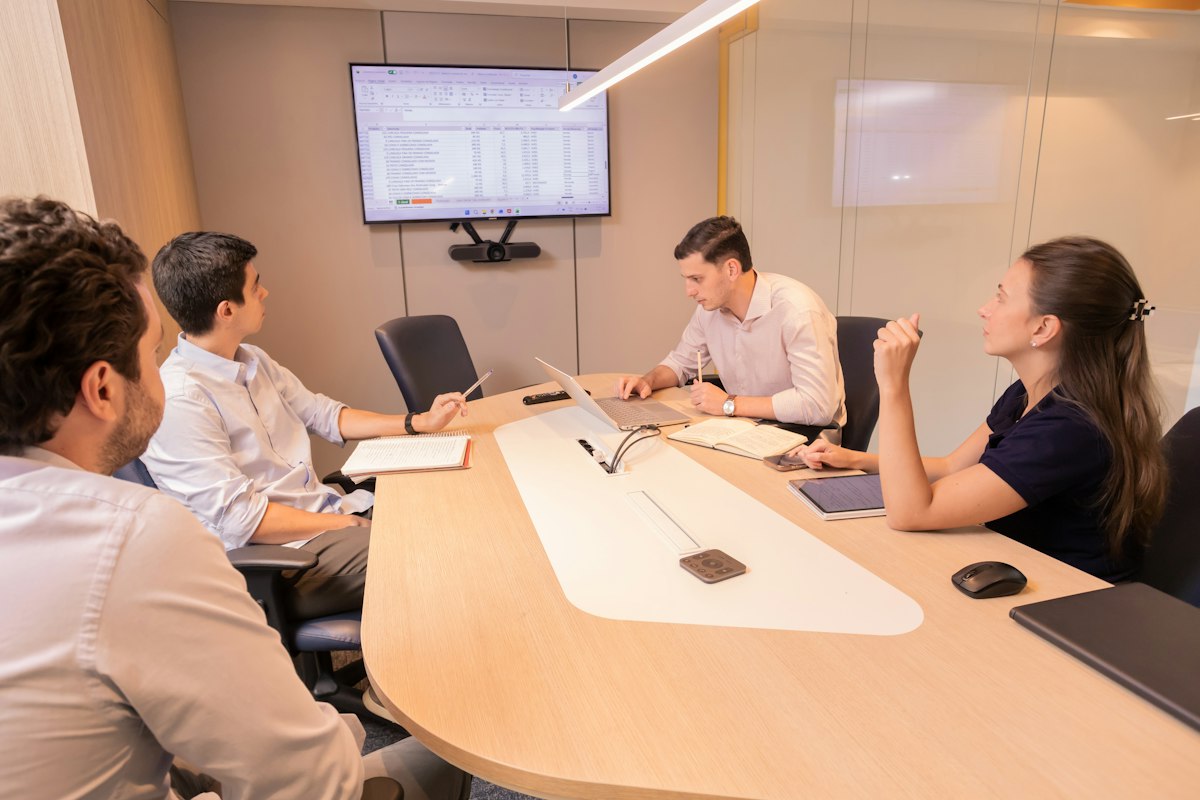
Businesses are currently re-evaluating office mandates and productivity metrics. Sharebite addresses a fundamental workplace challenge, while it simultaneously reshapes how enterprise organizations view employee meal benefits for their teams. It's not a simple perk. They don't treat dining as a tedious expense management task, but instead, they position meal allowances as a strategic instrument for corporate operations, company culture, and employee retention. Co-founded by Chief Executive Officer Dilip Rao, a former Credit Suisse investment banker, the New York-based enterprise platform serves companies managing food ordering for in-office, remote, and hybrid teams. So the company turns corporate spending into a vehicle for operational efficiency and social impact, aligning basic business needs with broader social outcomes by connecting corporate dining directly to food security initiatives. Food matters.
Understanding the Enterprise Platform Approach
Managing corporate dining for hybrid workforces once meant dealing with fragmented receipts and tedious manual expense reports. But Sharebite unifies this infrastructure. By providing a single dashboard where enterprise clients set meal stipends and spending limits, it's centralized administration that simplifies back-office operations while giving companies precise control over food spending across every employee working environment. It works.
They don't handle consumer delivery. Founded in 2015 specifically for businesses, the platform addresses enterprise operational challenges directly by focusing strictly on business clients, while it relies on integration with major financial and corporate structures. It's backed by a $39 million Series B round raised in 2022. And it receives strategic backing from prominent institutional investors.
- Contour Venture Partners
- Essential Capital
- Lafayette Square
- Liberty City Ventures
- Fiserv, the payments company on the 2026 Fortune 500
Connecting Business Operations to Food Security
Positioning matters most. Sharebite operates on a 1:1 donation structure where every meal ordered through the platform triggers an equivalent meal donation to nonprofit partners, including Feeding America and City Harvest. They've donated 18 million meals. So, this model converts daily administrative spend into measurable corporate social impact without imposing extra costs on employees or employers, and it's clear that the company's approach is changing how firms view their social responsibility in the modern workspace.
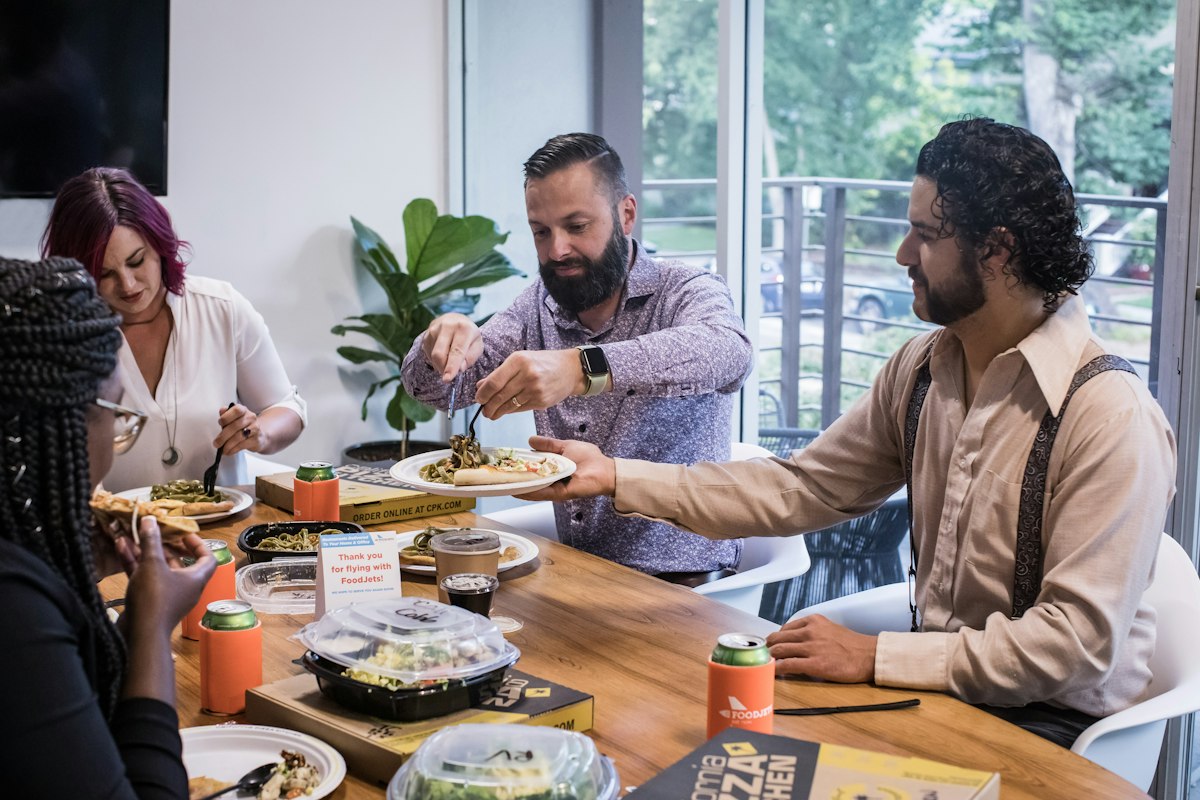
Recognize the scale. While the official baseline from Feeding America, analyzing federal data, recorded 47.9 million people experiencing food insecurity in 2024, Rao estimates it's roughly three times higher, reaching close to 150 million people who live paycheck-to-paycheck. Data is vanishing. And that baseline may serve as the last reliable count for some time because the USDA has stopped collecting the household survey behind it, meaning private sector participation matters more.
"We just have to start thinking about hunger, not only as a societal problem but more as an economic problem that businesses can help solve," said Dilip Rao, CEO of Sharebite.
Rao points to international precedent. He highlights Brazil’s Workers’ Food Program, which was established in 1976 to demonstrate how corporate participation can operate at scale by offering tax incentives to companies providing meals for their workforce. It’s effective. According to Brazil's Ministry of Labor and Employment, that program reaches about 22 million workers. So meal vouchers became a standard employment practice across the country.
The Brazil Model and Policy Framing
In commentary written in 2023 and again in a 2025 piece following a record government shutdown, Rao advocated for expanding the U.S. employer benefits framework. By including meal benefits alongside traditional healthcare and retirement offerings, Rao argues the private sector can build a more resilient workforce. This approach treats basic employee sustenance as vital corporate infrastructure rather than an optional perk.
The Productivity and Work Return Argument
Strip away the marketing and the calculation is straightforward. Poor diet and food insecurity carry substantial enterprise costs. A fact sheet from the Food is Medicine Institute at Tufts University indicates that healthcare spending and lost productivity tied to poor diets and food insecurity exceed $1.1 trillion a year. For corporate leadership, investing in worker nutrition directly targets these hidden operating costs.
Enterprise leaders face challenges. Survey data from Owl Labs in 2023 revealed that workers identified employer-covered commuting, childcare, and lunch and coffee as key factors that would encourage a return to physical offices. So, providing managed meal benefits acts as a practical tool for HR executives when they're seeking to boost office attendance and team collaboration. They're struggling.
Scalability on a Lean Operational Footprint
Competitively, it's notably efficient. The company recently achieved its best week ever, with October setting a record month for business volume as the business expanded more than 30 times larger over the past four-plus years. And that growth occurred while maintaining a small team of long-term employees.
Looking Ahead in the Enterprise Benefits Market
Sharebite is ready. As larger organizations evaluate their benefit structures, Sharebite continues to position itself for expanded enterprise adoption after roughly a decade spent building within this market segment. It’s not saturated. And they view the corporate meal benefits space as being in its early stages, with substantial room for expansion as companies increasingly recognize the link between employee well-being, office engagement, and broader economic impact.
Frequently Asked Questions
What is the primary function of the Sharebite platform for enterprise organizations?
Sharebite provides a centralized dashboard that allows enterprise clients to manage meal stipends and spending limits for in-office, remote, and hybrid teams. By unifying this infrastructure, the platform simplifies back-office operations and replaces the need for fragmented receipts and manual expense reports.
How does Sharebite integrate social impact into its corporate meal benefits model?
The company operates on a 1:1 donation structure where every meal ordered through the platform triggers an equivalent donation to nonprofit partners like Feeding America and City Harvest. This model allows firms to convert their daily administrative spending into measurable social impact without adding extra costs for employees or employers.
Why does CEO Dilip Rao advocate for treating employee meal benefits as essential corporate infrastructure?
Rao argues that poor diet and food insecurity result in over $1.1 trillion a year in lost productivity and healthcare spending. By including meal benefits alongside traditional offerings like healthcare and retirement, he believes the private sector can build a more resilient and productive workforce.
Who founded Sharebite and what is the platform's history regarding its target market?
Sharebite was co-founded by Chief Executive Officer Dilip Rao, a former Credit Suisse investment banker. The platform was specifically founded in 2015 to serve business clients, and it does not handle consumer delivery.
How can managed meal benefits influence office attendance according to the article?
According to 2023 survey data from Owl Labs, employees identified employer-covered lunch and coffee as key factors that would encourage a return to physical offices. Consequently, HR executives use managed meal benefits as a practical tool to boost office attendance and foster team collaboration.

Beatrice Novak covers the business of technology, from enterprise software and cloud platforms to the strategy behind the biggest deals. She follows how companies adopt new tools and what it means for the wider economy.
💬 Comments (0)
No comments yet. Be the first!