My Honest Take on the Galaxy Z Fold 8 Ultra
While the Galaxy Z Fold 8 Ultra offers top-tier specs, the Fold 6 remains a strong option with its unique S Pen support.
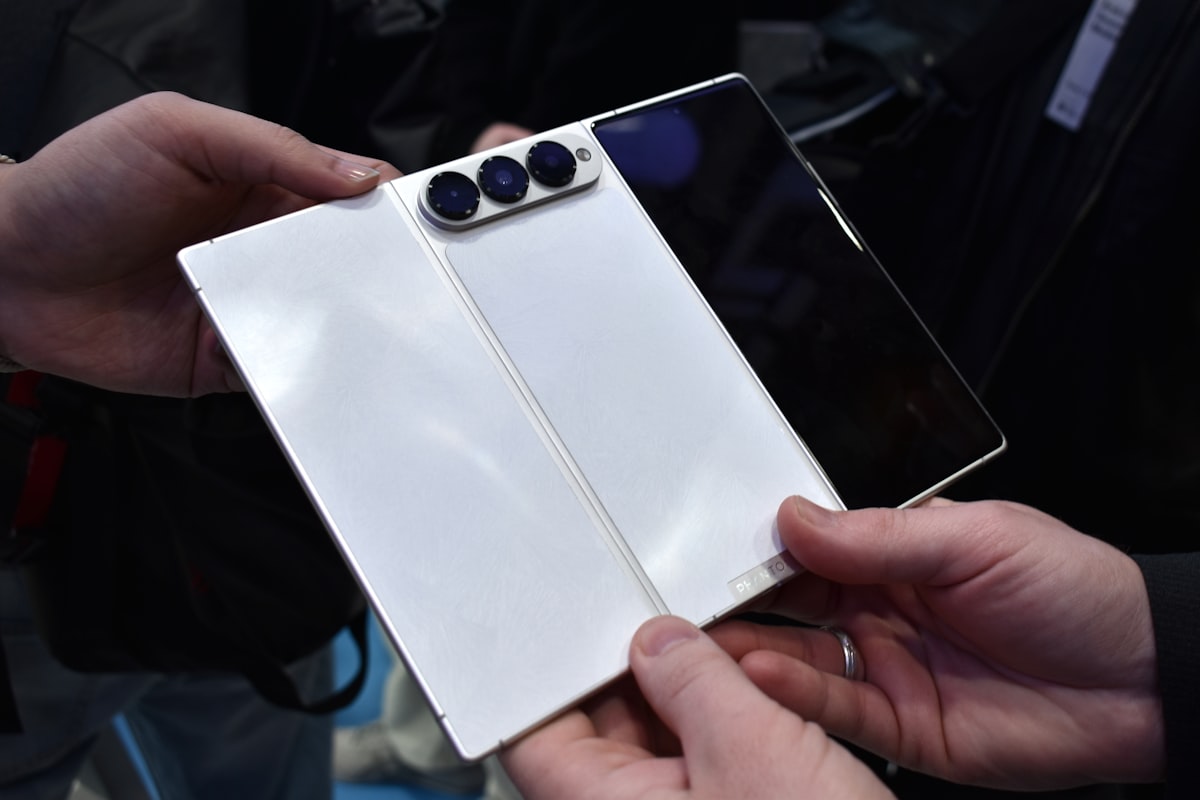
The Galaxy Z Fold 8 Ultra represents a massive shift in how premium foldable hardware feels and performs in daily use. It's a genuine leap forward. For anyone holding a two-year-old foldable device, the temptation to upgrade is incredibly strong, because that older screen's crease has grown deeper, the hinge has loosened, and the battery life has quietly surrendered to the demands of modern apps, so the contrast with this new model becomes painfully obvious with every single swipe. Two years is a long time to keep a phone, even if the average ownership cycle is currently creeping closer to three and a half years. So the question is whether the massive financial leap to the newest flagship makes sense, or if the older hardware still has a place in your pocket. But don't rush it.
Let us break this down.
Choosing between these two generations is all about balance. It's a careful weighing of design updates, raw power, and how you actually use your device day in and day out. The older model is no slouch. And it even has a couple of specific advantages over its brand-new sibling, so you can't count it out just yet. Yet, the newer flagship brings a collection of hardware refinements that completely change the daily experience of holding and using a folding phone, from the way it feels in your palm to the way the screen reacts to every single tap.
The design shift makes a massive difference
The Galaxy Z Fold 8 Ultra introduces a design philosophy that completely alters the external ergonomics, reshaping how the device sits in your palm and pocket. When closed, the phone finally feels like a standard smartphone. But that's not all. This is a massive departure from the older model, which always felt narrow and unusually thick in the hand, so the difference is immediately obvious the moment you pick it up, and it's hard to overstate how much that changes daily use.
With the new design, you get a lot of extra width and a lot less depth. This makes typing on the cover screen and navigating apps on the go a far better experience. The new outer panel is a 6.5-inch AMOLED screen pushing 3,000 nits of brightness. Compare that to the older model's 6.3-inch LTPO AMOLED cover screen, which maxes out at 2,600 nits. That extra brightness makes outdoor visibility significantly better.
Weight is another area where the engineering improvements show. The new model tips the scales at just 215 grams. The older version is much heavier at 239 grams. Shaving off 24 grams might sound minor on paper, but it is immediately noticeable when the device is in your pocket or when you are holding it open for long reading sessions.
A massive leap in raw performance
Under the hood, the internal hardware has received a major boost. The Galaxy Z Fold 8 Ultra runs on the Qualcomm Snapdragon 8 Elite processor, coupled with storage tiers that scale up to a massive 16GB of RAM and 1TB of storage. The older model relies on the Snapdragon 8 Gen 3 with a flat 12GB of RAM across all storage options.
Power efficiency and battery life have also received serious attention. The new flagship features a 5,000mAh battery that supports 45W fast charging. The older hardware relies on a smaller 4,400mAh battery with slower 25W charging limits. This combination of a larger cell, a more efficient processor, and faster top-up speeds addresses one of the longest-standing complaints about the foldable category.
Camera systems get a heavy rewrite
The new model's camera array is led by a massive 200MP main sensor. It's paired with a 50MP ultrawide lens and a 10MP telephoto camera that delivers 2x optical zoom, while the older device counters with a 50MP wide lens, a 12MP ultrawide, and a 10MP telephoto offering 3x optical zoom. So the older model has slightly longer optical reach. But the sheer detail and low-light performance of that new 200MP sensor easily takes the lead, and that's a difference you can't ignore when you're shooting in tricky conditions.
A quick comparison of the key specifications
- Galaxy Z Fold 8 Ultra screens: 6.5-inch outer / 8-inch inner AMOLED, 120Hz, 3,000 nits
- Galaxy Z Fold 6 screens: 6.3-inch outer / 8-inch inner AMOLED, 120Hz, 2,600 nits
- Processor and RAM: Snapdragon 8 Elite with up to 16GB RAM vs Snapdragon 8 Gen 3 with 12GB RAM
- Battery and Power: 5,000mAh with 45W charging vs 4,400mAh with 25W charging
- Main Camera: 200MP main sensor vs 50MP main sensor
The two reasons to keep your older device
But there is a catch.
The first and most obvious hurdle is the astronomical price. The Galaxy Z Fold 8 Ultra starts at a staggering $2,099.99. That is an incredibly high price tag for any smartphone. If you do not want to spend that kind of money, the older model is already paid for. If you want to buy the older model renewed, you can find it starting around $639.89, which is less than a third of the price of the new flagship.
The second reason is a matter of accessory support. The older model is the very last Samsung foldable to support the S Pen stylus. If you rely on a stylus for drawing, taking notes, or navigating the large inner screen, the new model will disappoint you. It does not support Samsung's dedicated stylus technology at all.
The Galaxy Z Fold 8 Ultra is a much better phone in every conceivable way, except for the S Pen. I used the Z Fold 6 for a year with an S Pen case, and while I used the S Pen occasionally, it was so infrequent that I wouldn't even notice not having it.
, Adam Doud
Pen lovers, rejoice. The older model still offers a dedicated case that slots the stylus directly into the back of the phone, and that same case cleverly levels out the camera bump so the device can lie perfectly flat on a table, which turns the whole thing into a highly functional mobile notebook setup. It's practical. And it works.
The final verdict on the upgrade path
Carrier financing or aggressive trade-in deals can make upgrading a highly rewarding move, and if you've got access to either, you're in a strong position. It feels mature. The daily physical experience of the new, wider cover screen and the lighter chassis makes the device feel like a matured product category rather than an experimental luxury, so it's not just a spec sheet bump you'll forget in a week. But that's the whole point. You can't call this a gamble.
The older device remains a highly capable machine. It still folds, it still multitask effortlessly, and it still fits in your pocket. If your budget is tight, or if you simply cannot live without your S Pen, holding onto your current hardware for another year is a completely respectable choice.
Frequently Asked Questions
What are the key differences in the design of the Galaxy Z Fold 8 Ultra compared to the older model?
The Galaxy Z Fold 8 Ultra has a wider and less thick design when closed, making it feel like a standard smartphone. It features a 6.5-inch cover screen with 3,000 nits brightness, while the older model has a 6.3-inch screen at 2,600 nits. The new model is also lighter, weighing 215 grams versus 239 grams.
Why does the article say the Galaxy Z Fold 8 Ultra has a better battery and charging system?
The new model has a larger 5,000mAh battery compared to the older device's 4,400mAh battery. It also supports faster 45W charging, whereas the older model is limited to 25W. This combination, along with a more efficient processor, addresses common complaints about foldable battery life.
How does the camera system of the Galaxy Z Fold 8 Ultra differ from the older model?
The Galaxy Z Fold 8 Ultra has a 200MP main sensor, a 50MP ultrawide, and a 10MP telephoto with 2x optical zoom. In contrast, the older model has a 50MP main, 12MP ultrawide, and 10MP telephoto with 3x optical zoom. The article notes that while the older model has longer optical reach, the new sensor offers better detail and low-light performance.
What are two reasons to keep the older Galaxy Z Fold device instead of upgrading?
The first reason is cost: the Galaxy Z Fold 8 Ultra starts at $2,099.99, while a renewed older model can be found for around $639.89. The second reason is that the older model is the last to support the S Pen stylus, which the new model does not support, so stylus users might prefer to keep it.
According to the article, when would upgrading to the Galaxy Z Fold 8 Ultra be a good move?
Upgrading is recommended if you have access to carrier financing or aggressive trade-in deals, as this can make the purchase more affordable. The article says that with these options, upgrading is a rewarding move because the new design and performance improvements make the device feel mature and refined. Otherwise, if your budget is tight or you rely on the S Pen, keeping the older model is a respectable choice.

Julian Sterling reports on enterprise IT, data infrastructure and the vendors that keep modern business running. He has a long-standing interest in how organisations modernise their systems without breaking what already works.
💬 Comments (0)
No comments yet. Be the first!