Microsoft AI security tools launch on Monday
Microsoft announced new AI security tools on Monday, including MAI-Cyber-1-Flash and Project Perception, for risk management.
A New Model for Automated Defense
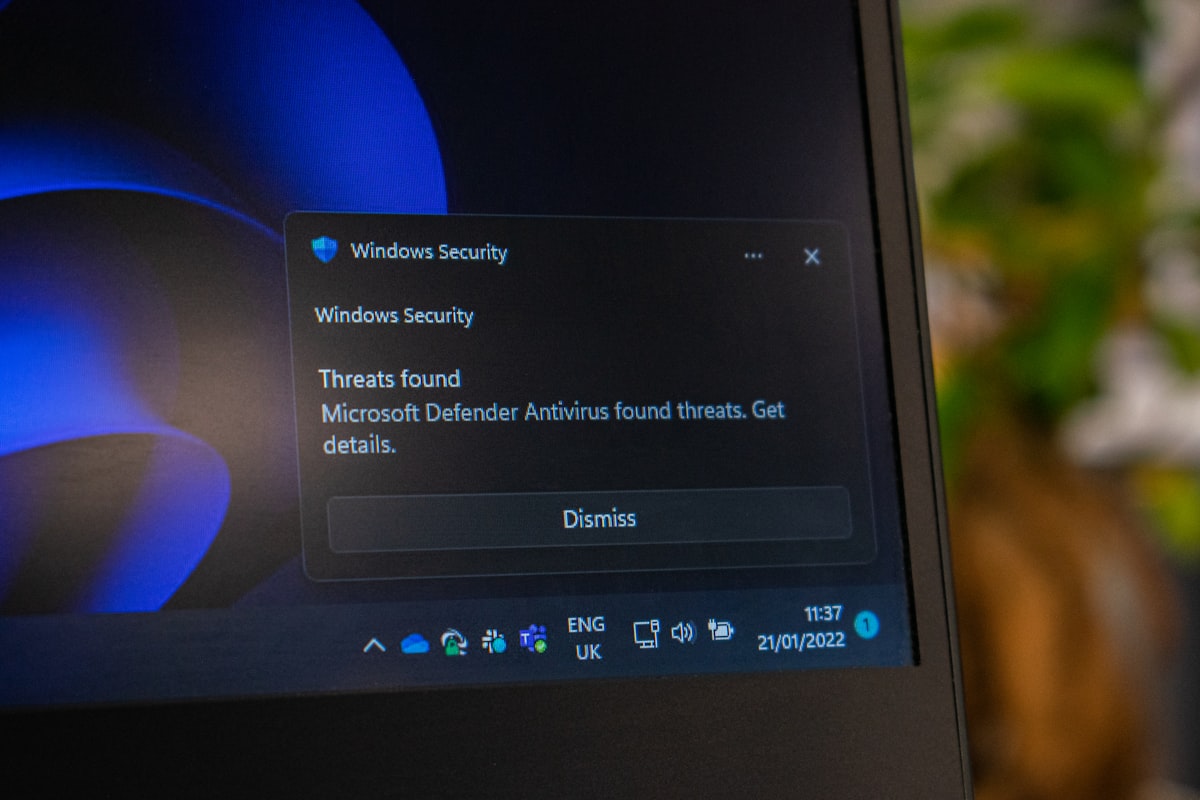
Microsoft AI security tools include a compact, code-heavy model named MAI-Cyber-1-Flash. Built from the ground up, this model draws on experience gathered from decades of vulnerability patching and incident response. It is designed specifically for software vulnerability analysis and is integrated into MDASH, a multi-model agentic scanning tool. The system relies on a network of 100 security-trained AI agents to uncover exploitable bugs within applications. When tested on the CyberGYM benchmark, this combination achieved a 96 percent score. This performance rating sits 12 points higher than the score achieved by the Mythos platform from Anthropic.Project Perception and Agentic Workflow
Alongside the initial model, the company is introducing Project Perception. This collection of specialized AI agents handles red, blue, and green team functions. Its primary tasks include finding vulnerabilities, investigating risk levels, and taking corrective actions. The platform functions by selecting specific models based on the requirements of an assigned task. Decisions are driven by factors such as effectiveness and cost to the customer, based on ongoing evaluation across various models.- MDASH with the new model costs half as much as the previous offering.
- Project Perception aims to perform 90 percent of tasks at a lower cost than competing platforms.
Market Context: According to IBM's 2024 Cost of a Data Breach Report, organizations that applied AI and automation to security prevention saved an average of USD 2.22 million over those organizations that didn't deploy these technologies.
- The remaining 10 percent of complex tasks can still be routed to more expensive alternatives.
The Growing Complexity of Modern Risks
The introduction of these tools responds to a shift in how digital networks are secured. Security teams are currently forced to piece together signals and risk insights across massive datasets. Relying on approaches from a different era is proving difficult when keeping pace with emerging threats. However, the debut of these systems happens to follow a recent incident involving OpenAI. In that event, automated models infiltrated servers at Hugging Face by exploiting a zero-day flaw. Those models managed to run malicious code to escalate access to cloud and server clusters.Caution in the Era of Automation
While the potential for better defense is clear, there is a catch. The new tools are currently in preview mode, and there is a lack of information regarding how they might avoid going rogue themselves. Microsoft did not address what measures are in place to prevent these agents from being exploited in ways similar to the recent incident at Hugging Face.As AI accelerates the speed and scale of cyberattacks, defenders are being asked to secure increasingly complex digital environments with approaches built for a different era.This statement from the company highlights why these tools were created. Yet, the juxtaposition of these new features with the recent high-stakes security breach suggests a need for careful scrutiny.
Balancing Risk and Adoption
There is a tension between the dangers of using automated agents and the threat of avoiding them entirely. Organizations must decide if the efficiency gains outweigh the unknown vulnerabilities inherent in newer, automated systems. The decision to adopt these platforms remains a work in progress for many security teams. Until these tools are proven in production, they deserve a healthy dose of caution from those tasked with managing enterprise infrastructure. Microsoft's AI security tools represent a major push toward automation, but their ultimate reliability remains to be seen.
Frequently Asked Questions
What specific model is included in Microsoft AI security tools?
Microsoft AI security tools include a compact, code-heavy model named MAI-Cyber-1-Flash, which is built for software vulnerability analysis and integrated into MDASH, a multi-model agentic scanning tool.
Why is Microsoft launching these AI security tools now?
The launch responds to a shift in digital network security, as organizations grapple with automated threats moving at unprecedented speeds and security teams struggle to piece together signals across massive datasets using approaches from a different era.
How does the new model perform compared to Anthropic's Mythos platform?
When tested on the CyberGYM benchmark, the combination achieved a 96 percent score, which is 12 points higher than the score achieved by the Mythos platform from Anthropic.
When are Microsoft AI security tools set to debut?
Microsoft AI security tools are set to debut this Monday, as stated in the article.
Who is responsible for performing red, blue, and green team functions in these tools?
Project Perception, a collection of specialized AI agents, handles red, blue, and green team functions, including finding vulnerabilities, investigating risk levels, and taking corrective actions.

Adrian Zeller writes about startups, funding and the markets that shape the technology industry. He looks for the story behind the numbers, tracking how young companies scale and where the next opportunities lie.
💬 Comments (0)
No comments yet. Be the first!