Harvard Housing Report: Middle-Class Homeownership Was a Historical Accident
A new Harvard study reveals that middle-class homeownership may have been an anomaly, driven by post-war conditions that are now gone.
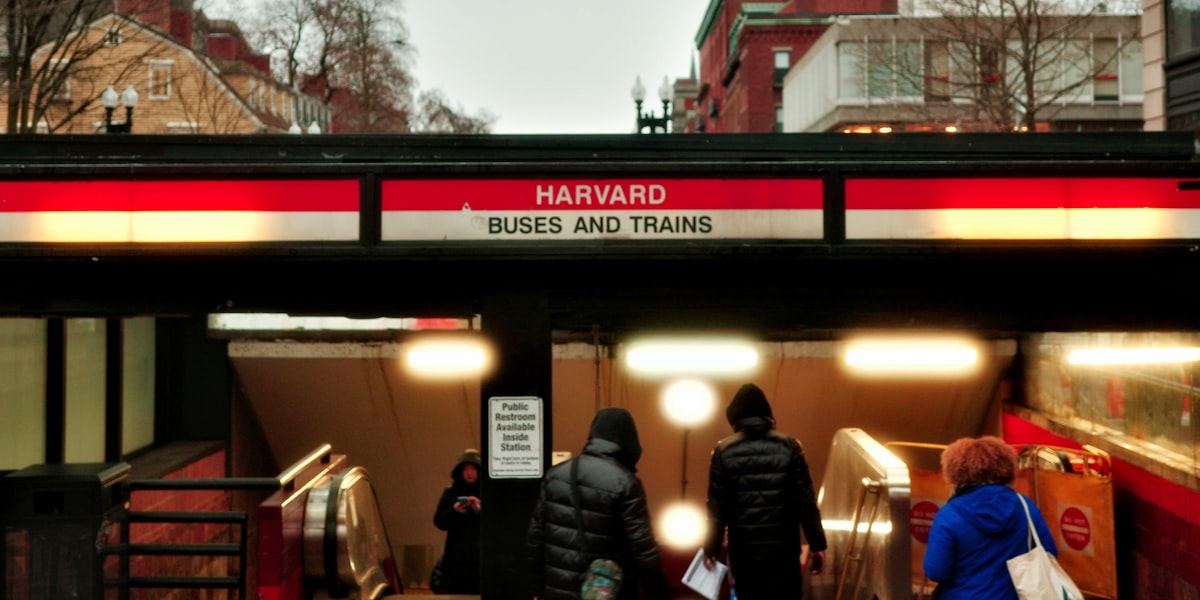
Harvard housing report findings suggest that the widespread ability of middle-class Americans to own homes was not an inevitable outcome of capitalism, but rather a temporary phenomenon shaped by a unique confluence of historical circumstances that are now receding.
The Postwar Boom: An Unrepeatable Era
Homeownership was once a middle-class dream. But a new Harvard study argues that era was an anomaly, a product of specific policy decisions and economic conditions that simply aren't in place anymore. The current housing crisis isn't a deviation. It's a return to a more historically typical state where affording a home is a major challenge for many people.
A Half-Century of Warnings
Those concerns aren't new. Back in 1977, researchers at Harvard's Joint Center for Urban Studies flagged an alarming trend where housing affordability was deteriorating so badly that only the wealthiest families might soon afford a home, and they projected the median home price would hit $78,000 by the 1980s, a figure presented with great alarm. But a brief period in the 1980s and 1990s saw falling interest rates, rising wages, and a more accessible market that seemingly negated those early warnings. The underlying issues, the new Harvard housing report contends, never truly disappeared.
The Harvard Joint Center for Housing Studies just released its latest report. It's a tough situation. But the report meticulously details a resurgence of these affordability challenges, citing persistent economic uncertainty, weakened labor markets, and a slowdown in household formation as key factors. Sales of existing homes have hit three-decade lows. And while rents have seen some moderation, the report notes that the fundamental drivers of demand are weakening, with reduced household formation among young adults linked to a sluggish job market, substantial student debt, and low consumer confidence.
The Scaffolding That Collapsed
But it wasn't a natural economic progression. The postwar decades saw the ownership rate climb by 20 percentage points in a single generation, a surge built upon a unique set of heavily subsidized and largely unrepeatable historical conditions that we simply can't replicate. This scaffolding included:
- The GI Bill, which facilitated veterans' entry into suburban homeownership.
- Federal mortgage guarantees that lowered the financial barriers for first-time buyers.
- Highway construction that opened up more affordable land for development.
- Strong unionization, which led to wage growth that often outpaced housing price increases until the early 1970s.
One economist noted that "if you were middle class, it was almost assumed you would become a homeowner." But today, that aspiration remains, and the path to achieving it is much steeper, requiring great wealth or considerable luck. The decline of union density and stagnant real wage growth for non-college workers over decades have eroded a key component of this affordability equation. The gap widened. It became a chasm. The pandemic housing boom, with its rapid 54% surge in home prices between 2020 and 2022, transformed the already widening gap between incomes and housing costs into something far more severe.
The Inheritance Economy: A New Divide
Homeownership is now inherited, not earned. Aggregate homeowner equity hit an astounding $16 trillion since 2019, and the average homeowner now holds roughly $295,000 in equity. It's structural. But research shows children of parents with housing wealth accumulate significantly more housing wealth themselves by age 30 compared to children of renters, and studies suggest housing capital is substantially more persistent across generations than earnings.

This shift is evident in the data: the median first-time homebuyer is now 40 years old, and these buyers represent an all-time low of just 21% of all purchases. The homeownership rate for households under 35 has dipped to 37%. The Black-white homeownership gap has widened to 28.7 percentage points, surpassing levels seen in 1995. The current indicators collectively point not to a return to the 1970s, but rather a regression to the conditions of the 1990s, with the expansion of homeownership seen in the early 2000s largely undone.
"Across the U.S., persistent affordability challenges and rising economic uncertainty are hurting housing markets," the authors of the Harvard housing report stated, pointing to weakening labor markets and declining immigration as contributing factors to sales sitting at three-decade lows.
A Labor Market No Longer Bridging the Gap
The postwar era let workers offset a lack of inherited capital with consistent wage growth. But that mechanism is now largely broken. Job growth has slowed, creating a more stable but less dynamic labor market that limits income mobility for younger workers. Student loan delinquency rates have surged. This strains household finances even more. Household formation has decelerated for three consecutive years, with many young adults delaying or forgoing the establishment of their own homes. It's been a tough shift. Even immigration, the historically reliable engine of household growth, has been significantly curtailed, and projections show a substantial drop in net international migration.
Government Retreat and a Closing Window
The federal government's role in supporting housing affordability has diminished. That's a fact. Federal rental assistance reaches only a fraction of eligible households, and public housing budgets have been reduced at the same time that proposed policy changes at HUD could weaken fair housing protections. Homelessness figures have hit record highs. But the current approach has shifted away from Housing First models. Meanwhile, federal disaster recovery efforts are increasingly being offloaded to states and localities. The Harvard report emphasizes that only the federal government possesses the resources to meaningfully address the shortage of affordable housing for low-income individuals, yet it's currently moving in the opposite direction.
The postwar homeownership boom wasn't universally accessible. Historical discriminatory practices like redlining and unequal administration of programs like the GI Bill excluded large portions of the population, but the current reversion is no longer confined to those historically excluded. Cost burdens are rising most sharply among middle-income households. It's a crushing reality. For a college-educated young adult without family wealth, the housing market is probably the most hostile it has ever been for first-time buyers, and the window that once offered a path to homeownership for many is now closing. It leaves behind an economy where housing serves as a primary divider between asset owners and wage earners. So the era of accessible middle-class homeownership, the Harvard housing report suggests, was a historical accident.
Frequently Asked Questions
What does the Harvard housing report claim about middle-class homeownership?
The report claims that middle-class homeownership was not an inevitable outcome of capitalism but a temporary historical accident shaped by unique circumstances. It argues that the postwar homeownership boom was an anomaly that is now receding.
Why does the Harvard report say the postwar homeownership boom was unrepeatable?
The report says it was built on heavily subsidized and largely unrepeatable conditions like the GI Bill, federal mortgage guarantees, highway construction, and strong unionization. These factors, which lowered barriers and boosted wages, are no longer in place.
How has homeownership become more inherited according to the report?
The report states that children of parents with housing wealth accumulate significantly more housing wealth by age 30 than children of renters. It highlights that the median first-time homebuyer is now 40 years old, and first-time buyers represent an all-time low of 21% of purchases.
When were warnings about housing affordability first raised, according to the article?
Warnings were first raised in 1977 by researchers at Harvard's Joint Center for Urban Studies, who flagged deteriorating affordability. They projected the median home price would hit $78,000 by the 1980s, but a brief period in the 1980s and 1990s temporarily negated those concerns.
Who is most affected by the current housing crisis, according to the Harvard report?
The report notes that cost burdens are rising most sharply among middle-income households, and for college-educated young adults without family wealth, the market is likely the most hostile ever for first-time buyers. It also highlights a widened Black-white homeownership gap of 28.7 percentage points.

Adrian Zeller writes about startups, funding and the markets that shape the technology industry. He looks for the story behind the numbers, tracking how young companies scale and where the next opportunities lie.
💬 Comments (0)
No comments yet. Be the first!