EDF chair warns UK energy costs hit competitiveness
EDF chair UK energy costs warning: Sir Alex Chisolm says the UK's competitiveness deficit is a real call to action as business bills rise 25%.
UK energy costs are now a competitiveness problem. The country can't ignore it. That's according to the man who leads the French state-owned utility's British arm, Sir Alex Chisolm, who has chaired EDF in the UK for more than two years and who says industrial electricity users in Britain now pay nearly one and a half times what their counterparts across Europe pay. He wants the government to treat that gap as a priority.
The Gap That Will Not Close Itself
Chisolm's warning lands at an awkward moment. Business gas and electricity costs have climbed 25% since February, driven largely by conflict in the Middle East, and the Confederation of British Industry has cautioned that persistently high prices threaten the UK's global standing while risking what it calls putting the brakes on the country's growth ambitions.
The numbers behind the concern are stark. Chisolm describes a competitiveness deficit in UK energy costs and frames it in blunt terms.
"The U.K. has a competitiveness deficit now in its energy costs,that is a real call to action. We're now nearly one and a half times more expensive [than the rest of Europe] for industrial users of electricity, and that is not a position we can continue to tolerate."
EDF has not stood on the sidelines. The company joined a group of 120 organizations calling for so-called hidden taxes, including levies that fund renewable projects, to be stripped out of energy bills. The argument is straightforward: costs baked into bills for policy reasons distort the price businesses actually face.
From Whitehall to the Reactor Floor
Chisolm's perspective carries weight because he has seen the machinery of government from the inside. He stepped down as permanent secretary to the Cabinet Office in 2024 and now balances his EDF role with a non-executive director position at BT and a senior adviser post at Boston Consulting Group. He first became fascinated by energy while chief executive of the Competition and Markets Authority, which was overseeing an energy market review at the time, and he later spent four years running the business and energy department.
Trading Whitehall for plant sites has been a welcome shift. "It's good for people like me who spent probably a bit too much time hanging around Whitehall offices to get out to sites where the real work is done by people to power the nation," he says.
Standing inside Sizewell still moves him. It's home to Sizewell B, the UK's largest operational nuclear site. You can stand on the bridge there and feel, wow, this is how we actually make this, and this is the room with the magic that's powering 1.2 million homes, and you're going to see these giant machines going around amazingly fast. That is power. And you think, well, that is power.
Nuclear, Delays, and a Fish Disco
Chisolm regards nuclear power as central to solving the cost and security puzzle, describing it as an important solution both for the planet and for energy security and supply. EDF is building two new nuclear facilities in the UK. Hinkley Point C, majority owned by the company, is expected to power 6 million homes when it comes online in 2031. EDF also holds a 12.5% stake in Sizewell C, slated to become operational in the mid to late 2030s. Both would be the first nuclear plants built in Britain since the 1990s.
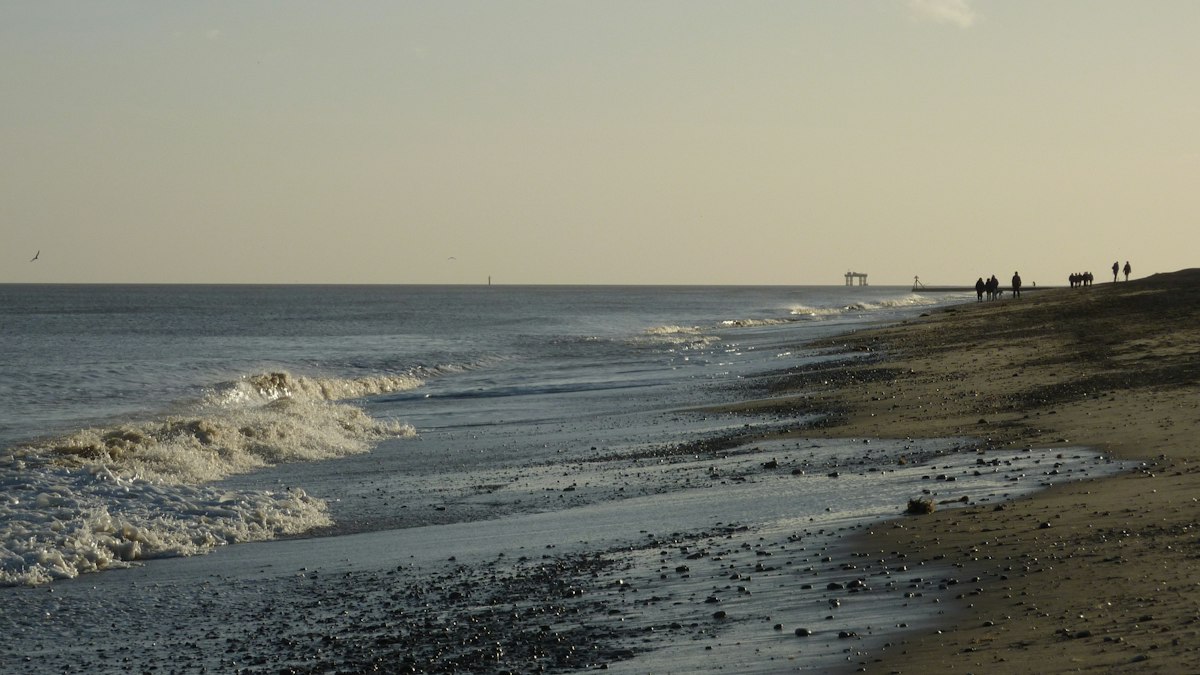
But the path has been anything but smooth, and this is where Chisolm's frustration with regulation surfaces. Hinkley Point C was originally scheduled to come online by 2025 at a projected cost of £18 billion ($24.26 billion).
Rules Built for the Letter, Not the Outcome
The reactor design itself was not the obstacle, Chisolm argues. The technology, a European pressurized reactor, had already been built in France at Flamanville and in Finland at Olkiluoto. UK regulatory bodies, however, imposed their own specific requirements. Securing planning approval for Hinkley Point C required a 55,000-page development consent order, roughly 40 times the length of War and Peace. The public body Natural England also advised EDF to design and install an underwater acoustic deterrent, a fish disco, to keep marine life out of the cooling pipes feeding the plant's turbines.
That advice came at a steep price. In Chisolm's telling, it's steep. We spent almost a billion pounds on changes to the plant, which relate to reducing the impact on fish, he says, and that's the figure he keeps returning to when he talks about what all of this actually cost. We all love fish. But you could have achieved a lot more for fish numbers and welfare at a much lower cost than that.
He won't dismiss the goals. He says, "I understand and respect environmental standards and nuclear safety," and then he adds, with a calm insistence that keeps the whole exchange grounded in a practical question rather than a rhetorical one, "The question is, how much is enough?" But that question is the one they're all circling. And it's the one we can't answer.
His sharper claim? The process forces people to write nonsense rules. But that framing misses something. The rules didn't appear from nowhere, and they reflect genuine public demands for safety and environmental care that wildlife charities and environmental organizations have defended against efforts to loosen them.
The Review That Changed the Calculus
The Fingleton Review recommended a more balanced approach. It was adopted in full earlier this year. John Fingleton led the review, and he noted that Hinkley Point C carried more fish protection measures than any other power station in the world, a detail that shows how far the debate over nuclear power and environmental safeguards has moved since the review began its work. The proposals aim to speed up planning for new nuclear projects by reforming environmental impact assessments. But critics argue they present a false choice. It's a false choice between protecting nature and pursuing development, and they don't buy it.
Chisolm backs the Fingletonian approach and sees benefits stretching well beyond energy. "If it was easier to get things built in this country, if it was easier to get things done, then we would all be better off," he says. "It would make Britain the best country in the world to do business."
What Happens Next
EDF's scale gives its chair a platform. The company sits 15th on the latest Fortune 500 Europe rankings and posted profits of €8.4 billion ($9.7 billion) for the 2025 financial year. That standing, combined with Chisolm's government background, means his call for lower energy costs and faster approvals will be hard for policymakers to wave away.
- Industrial electricity prices in the UK run nearly 1.5 times higher than in the rest of Europe.
- Business gas and electricity costs have risen 25% since February.
- Hinkley Point C is expected online in 2031; Sizewell C in the mid to late 2030s.
- EDF joined 120 organizations urging the removal of hidden levies from energy bills.
The coming years will test whether planning reform and the Fingleton recommendations translate into shovels in the ground faster than they have so far. For Chisolm, the stakes are simple. If Britain cannot build, and cannot power what it builds at competitive prices, the growth everyone says they want will stay out of reach.
Frequently Asked Questions
Who is Sir Alex Chisolm and what warning has he issued about UK energy costs?
Sir Alex Chisolm is the chair of EDF in the UK, a role he has held for more than two years, and he leads the British arm of the French state-owned utility. He warns that industrial electricity users in Britain now pay nearly one and a half times what their counterparts across Europe pay, describing this as a competitiveness deficit and a real call to action.
Why does Chisolm argue that UK energy costs have become a competitiveness problem?
Chisolm frames the issue in blunt terms, stating that the UK is now nearly one and a half times more expensive than the rest of Europe for industrial users of electricity, a position he says cannot be tolerated. Business gas and electricity costs have also climbed 25% since February, driven largely by conflict in the Middle East.
What action has EDF taken regarding hidden taxes in energy bills?
EDF joined a group of 120 organizations calling for so-called hidden taxes, including levies that fund renewable projects, to be stripped out of energy bills. The argument is that costs baked into bills for policy reasons distort the price businesses actually face.
What regulatory obstacles have delayed EDF's nuclear projects like Hinkley Point C?
Securing planning approval for Hinkley Point C required a 55,000-page development consent order, roughly 40 times the length of War and Peace. Natural England also advised EDF to install an underwater acoustic deterrent, a fish disco, to keep marine life out of cooling pipes, which Chisolm says cost almost a billion pounds in plant changes.
What are the expected timelines and capacities for EDF's new nuclear facilities in the UK?
Hinkley Point C, majority owned by EDF, is expected to power 6 million homes when it comes online in 2031, while EDF holds a 12.5% stake in Sizewell C, slated to become operational in the mid to late 2030s. Both would be the first nuclear plants built in Britain since the 1990s.

Beatrice Novak covers the business of technology, from enterprise software and cloud platforms to the strategy behind the biggest deals. She follows how companies adopt new tools and what it means for the wider economy.
💬 Comments (0)
No comments yet. Be the first!