U.S. TRANSCOM deploys randomised AI to secure logistics
U.S. TRANSCOM deploys randomised AI to secure military logistics, using adaptive algorithms to outmanoeuvre adversarial tracking of supply routes.

U.S. TRANSCOM deploys randomised AI to keep military cargo moving through contested territory, and the strategy behind it flips commercial logistics on its head. On Tuesday at the DefenseTalks conference hosted by DefenseScoop, Gen. Randall Reed, head of U.S. Transportation Command, laid out how adaptive algorithms are being used to outmanoeuvre hostile machine learning systems that hunt for patterns in military supply chains.
The core problem is predictability. Commercial freight software historically prioritises static scheduling, steady delivery windows, and just-in-time routing to eliminate transit waste. Those fixed cadences work beautifully in peacetime commerce. In an operational theatre, they become a targeting map.
Why predictable routes are a liability
Reed did not mince words about the threat environment. Adversaries, he said, can and will contest logistics at any point in the chain, whether inside the military, across government, or in the civilian networks that defence supply lines depend on. Artificial intelligence on the opposing side multiplies those disruptions.
The danger goes beyond simply spotting a convoy. Hostile models can inject deceptive algorithmic interference, nudging logisticians toward what Reed called "catastrophic decisions based on hallucinated intelligence." In other words, the attack is not just on the truck. It is on the decision-maker's picture of reality.
"The adversary can, and will, contest our logistics at any point within the chain, both within the military, the government, and outside. And this is where artificial intelligence in our adversaries can act as a barrier. It multiplies disruptions," said Reed.
That is where randomised push logistics comes in. Rather than running rigid supply schedules that enemy reconnaissance can map and predict, automated systems dynamically adjust delivery paths, balancing transport frequency against destination nodes. The unpredictability is deliberate. Controlled chaos, wired into the routing engine.
Randomisation alone is not a strategy. It only works if the underlying system can absorb the chaos without collapsing into missed deliveries or duplicated shipments. When U.S. TRANSCOM deploys randomised AI, the routing engine is only as good as the data feeding it.
Autonomy as a shield for human crews
The second half of the TRANSCOM approach is about reducing the load on people. Under constant ambush and degraded communications, human dispatchers face cognitive overload that no amount of training fully eliminates. Autonomy picks up the slack.
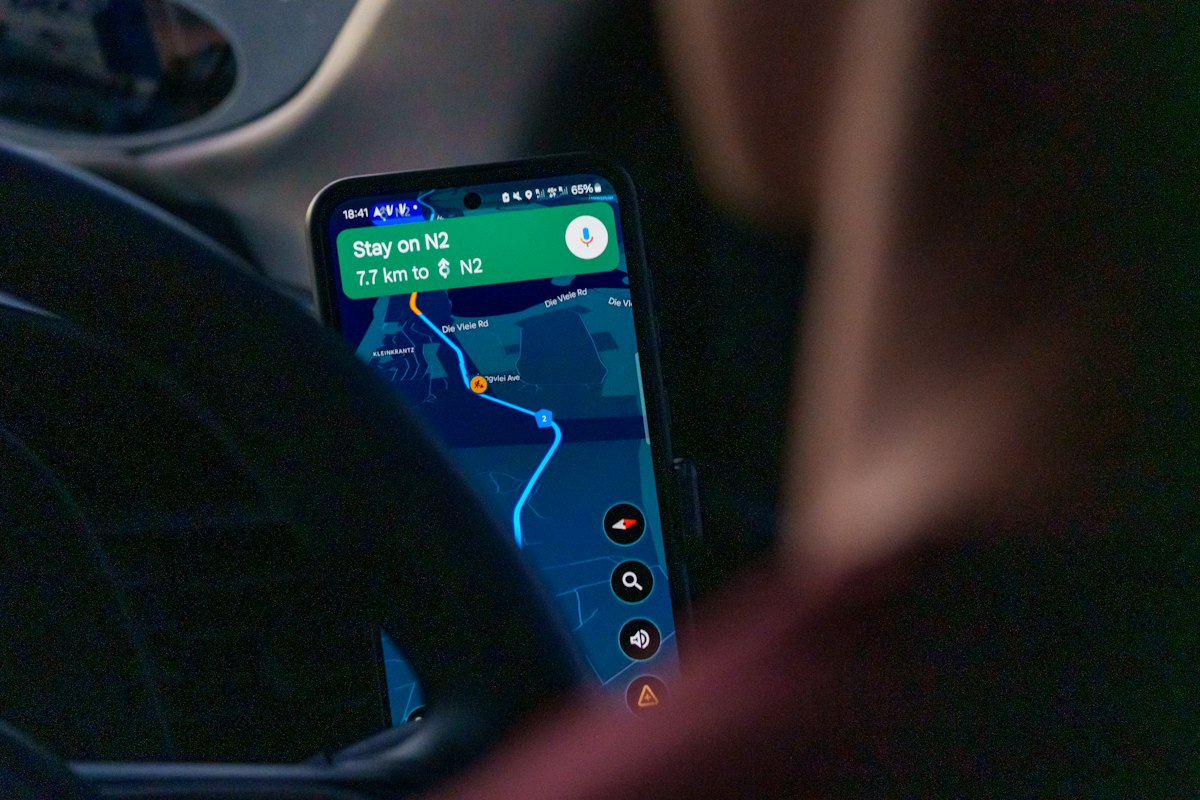
Reed described a stack of technologies working together. AI powers predictive demand planning and network healing.
Algorithmic network healing is the piece that matters most in a fight. When physical routes are disrupted or communications drop out, the system continuously recalculates delivery paths without waiting for a human to intervene. Predictive demand engines then anticipate supply deficits before field units even submit formal requisitions.
- Randomised routing that adjusts paths dynamically instead of following fixed schedules
- Autonomous network healing that recalculates deliveries during outages or physical disruption
- Predictive demand planning that flags shortfalls before requisition orders arrive
- IoT sensors, digital twins, and distributed ledgers securing cargo tracking data
The combination matters. Why? Because logistics in a contested environment isn't a single problem, and it never was, and anyone who tells you otherwise has never watched a supply line stretch across open ground while the clock runs down and the radio crackles with bad news. It's a chain of problems. And each link has to hold under fire.
The hard part: data you can trust
Scaling any of this from a demonstration to a production environment runs into some unglamorous technical walls. Field deployments need serious computational power, distributed all the way from domestic production hubs to remote units. Training the models is another obstacle.
Reed was blunt about the constraints. "We do, however, still face challenges: data scarcity, flawed synthetic data, and the need for massive computing power stretching from factory to foxhole," he said.
The fix TRANSCOM is building is a secure, authoritative data layer. Engineers are constructing a validated architecture that feeds clean, verified inputs directly into predictive models, filtering out corrupted entries and protecting automated decision pipelines from manipulation. Without that baseline, autonomous operations during live combat are a gamble.
"We are currently building a secure, authoritative data layer so that, under fire, we are the ones who can out-deliver the adversary in ammunition, batteries, medical supplies, and even Cheetos," said Reed.
That last item is not a joke. Dry rations sit alongside munitions, energy storage, and field medical kits on the list of things the network must keep moving when the shooting starts.
What comes next for TRANSCOM
The command is retraining military personnel to work alongside these systems rather than around them. That's a cultural shift. It's technical too. Logisticians who spent entire careers mastering fixed schedules, who built their professional identities around predicting exactly when supplies would move and where they'd land, now have to trust algorithms that deliberately break those schedules. And they're not happy about it.
There is no public timeline for full-scale rollout, and no announced budget figure. What Reed described is a system under active construction, with the authoritative data layer as the current priority. The logic is simple enough. If the adversary's AI feeds on pattern recognition, then the best defence is to stop producing patterns worth recognising.
For anyone watching how U.S. TRANSCOM deploys randomised AI, the broader lesson extends well past the battlefield. Any supply chain that runs on predictable timing is legible to anyone watching it. Randomisation, autonomy, and verified data are the three levers the military is pulling to become illegible again.
- Retraining personnel to operate alongside autonomous routing systems
- Building a secure data layer to feed clean inputs into predictive models
- Solving compute distribution from domestic hubs to forward units
The adversary gets a vote. TRANSCOM's answer is to make sure that vote is cast against a moving target.
Frequently Asked Questions
Who is leading U.S. TRANSCOM's effort to deploy randomised AI, and where was the strategy explained?
Gen. Randall Reed, head of U.S. Transportation Command, laid out how adaptive algorithms are being used during a DefenseTalks conference hosted by DefenseScoop on Tuesday. He explained that the approach is meant to outmanoeuvre hostile machine learning systems that hunt for patterns in military supply chains.
Why are predictable routes considered a liability in an operational theatre, according to the article?
Commercial freight software historically prioritises static scheduling, steady delivery windows, and just-in-time routing, which work well in peacetime commerce but become a targeting map in an operational theatre. Hostile AI can also inject deceptive algorithmic interference, nudging logisticians toward what Reed called "catastrophic decisions based on hallucinated intelligence."
How does randomised push logistics differ from rigid supply schedules, and what keeps the randomness from causing failures?
Rather than running rigid supply schedules that enemy reconnaissance can map and predict, automated systems dynamically adjust delivery paths, balancing transport frequency against destination nodes. The article notes that randomisation only works if the underlying system can absorb the chaos without collapsing into missed deliveries or duplicated shipments.
What specific technologies does TRANSCOM combine to reduce the load on human crews under contested conditions?
The stack includes AI for predictive demand planning and network healing, Internet of Things sensors to track cargo in transit, digital twins to build virtual replicas of distribution corridors, and blockchain to secure data flowing between them. Algorithmic network healing continuously recalculates delivery paths during outages, while predictive demand engines anticipate supply deficits before field units submit formal requisitions.
What challenges and current priorities does TRANSCOM face in scaling this system from demonstration to production?
Reed stated that they still face data scarcity, flawed synthetic data, and the need for massive computing power stretching from factory to foxhole. TRANSCOM is currently building a secure, authoritative data layer that feeds clean, verified inputs into predictive models, and there is no public timeline for full-scale rollout or announced budget figure.

Marcus Thorne covers the fast-moving field of artificial intelligence, with a particular interest in large language models, automation and the companies driving the technology forward. He aims to cut through the hype and explain what these systems can and cannot do.
💬 Comments (0)
No comments yet. Be the first!