What TechEx North America Taught About AI Reality
TechEx North America's day one reminded attendees that AI deployment hinges on mundane things like power, cooling, security, and escaping 'pilot purgatory.' Here's what that means for anyone trying to make AI work in the real world.
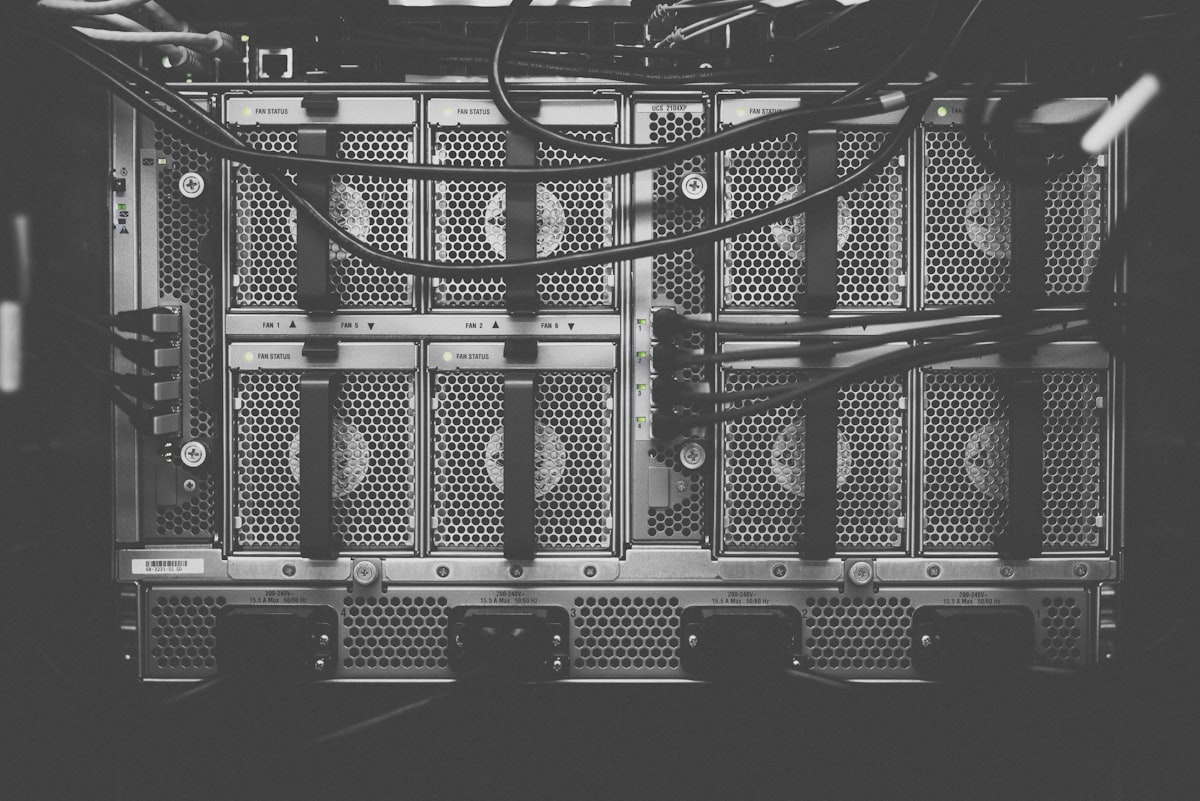
TechEx North America 2026 just wrapped its day one in Santa Clara. If you walked in expecting flashy AI demos, the show floor had a different message. But here's the real story. It's not about model capabilities or agentic workflows but about power, infrastructure, and security, the mundane unsexy reality that decides whether your AI project actually ships or stalls in a conference room.
The Edge Track: Where Intelligence Hits the Machine
The Edge Computing track didn't open with futuristic promises but with latency, deployment discipline, and the cybersecurity risks of blending IT with operational technology. Ed Doran of the Edge AI Foundation chaired a program that treated the edge as a demanding place to operate. But it's not a playground.
Sessions dug into scaling multi-site edge deployments, distributed inference across on-prem, cloud, and hybrid setups, and immutable edge infrastructure, and companies like Akamai, Spectro Cloud, Schneider Electric, and TÜV Rheinland had people in the room. Conversations were gritty and practical. They centered on industries that can't afford to get it wrong.
The ‘Pilot Purgatory’ Trap
Pilot purgatory. That phrase kept surfacing across the IoT Tech Expo and the main stage. So you've seen this before: a smart factory concept works beautifully in a slide deck, but then it meets a thirty-year-old machine on the floor and falls apart.
It wasn't whether AI works. Rockwell Automation and Ford held a session on physical AI, connected asset intelligence staring directly at the gap between demo and deployment, pressing question how intelligence enters daily operations without becoming another dashboard nobody owns.
Digital Twins That Actually Work
They didn't want digital twin demos. So the speakers from Siemens, LG CNS, and Boston Dynamics called for operational models that help a factory, city, or municipal facility make faster maintenance decisions and test changes before they happen. But if the twin doesn't benefit the people or machines on the ground, it's just expensive animation.
Data Centres: The Unsexy Reality of AI
If you’re wondering why AI deployment feels slow, the Data Centre Congress track handed out a dose of concrete reality. AI depends on dense compute. Dense compute depends on power, cooling, land, and permits. The infrastructure stack takes years to mature. Your AI roadmap changes in months. That mismatch isn’t going away.
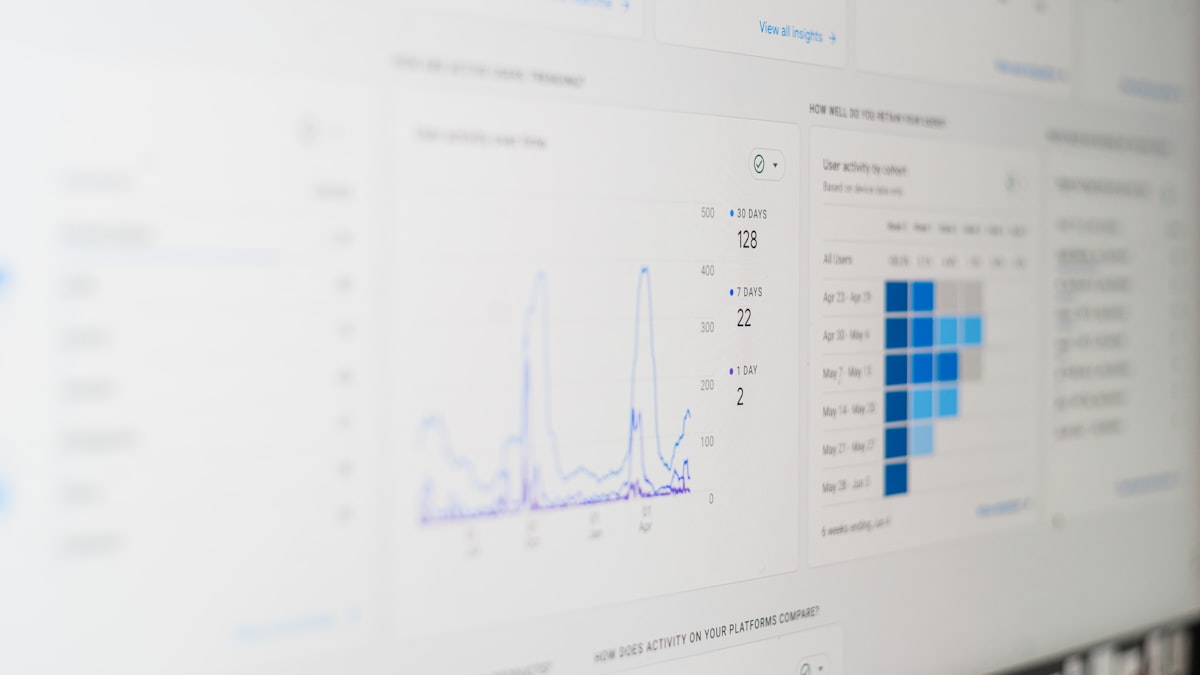
Santa Clara, the host city, shared its own data centre journey. Construction chaos reigned. But power procurement bottlenecks were front and center, water constraints got mentioned in the same breath as AI scaling rhetoric, and the data centre's become the place where AI strategy gets physical, so now the enterprise boardroom's practical considerations suddenly include grid capacity and cooling water.
When Economics Slams Into Engineering
The infrastructure can't pivot. You can't stampede to AI productivity if the buildings aren't ready. A recurring theme was how rapidly changing AI economics collides with infrastructure that can't pivot, and one session after another framed unplanned, disorganised AI implementations as something the modern enterprise simply can't absorb.
Cybersecurity’s Uncomfortable Signal
It's an uncomfortable truth. AI adoption increases your attack surface. The Cyber Security and Cloud Expo track's day-one program hit security culture, compliance, ransomware, shadow AI, data exfiltration, and open-source dependencies, and much-repeated message that existing weaknesses don't shrink when business demands faster, smarter tools.
It's a blind spot. But employees using AI inside business workflows without approval and with zero logging merge data and cyber governance, since you can't secure what you can't see, and Shadow AI got especially sharp attention.
Legacy Systems Meet Smart Intelligence
Cybersecurity concerns echoed across other stages, with IoT and Edge tracks, speakers raising alarms about smart intelligence meeting older plant systems, and critical infrastructure like transport or energy means it can't be an afterthought. But do you want speed? It might be your enemy if you haven't patched the basics first.
What This Means for Your AI Plans
TechEx North America day one didn’t kill the AI dream. It gave it a floor plan. The thousands of attendees heard the same point in different ways: putting AI in production isn’t a software switch. You need networks that can carry the load, data centres that can power and cool it, edge systems that can handle real-world variability, and security practices that don’t vanish when someone opens a new AI tool.
Here’s what the sessions boiled down to, based on reporting from artificialintelligence-news.com:
- The gap between a slick demo and a working deployment is still wide, especially in industrial settings with older machinery.
- Data centre capacity , power, water, land, permits , is now a direct bottleneck for enterprise AI scaling.
- Cybersecurity risk climbs when employees use unauthorized AI tools, and legacy systems don’t magically become safe.
- Edge and IoT deployments demand careful integration with existing workflows, or you end up with dashboards nobody owns.
- Digital twins only deliver value when they serve operational decisions, not just visual demonstrations.
Constraints are mundane and physical. But the companies that understand them, they're the ones more likely to deploy the latest technology successfully, and TechEx North America made that bigger picture impossible to ignore.
Frequently Asked Questions
What was the core message about AI reality at TechEx North America 2026?
The show floor at TechEx North America 2026 conveyed that AI reality isn't about flashy demos or model capabilities, but about the mundane, unsexy aspects of power, infrastructure, and security. These foundational elements ultimately decide whether an AI project successfully ships or stalls in development.
What is meant by 'Pilot Purgatory' in the context of AI deployment according to discussions at TechEx North America?
Pilot purgatory refers to the common trap where a smart factory concept works beautifully in a presentation but fails when it encounters real-world conditions, like a thirty-year-old machine on the factory floor. It highlights the significant gap between a successful AI demonstration and its practical, successful deployment into daily operations.
What were the main infrastructure bottlenecks for AI scaling discussed at the Data Centre Congress track?
The Data Centre Congress track revealed that AI deployment is slowed by concrete realities: dense compute, which AI depends on, requires significant power, cooling, land, and permits. This infrastructure stack takes years to mature, creating a direct bottleneck for enterprise AI scaling as AI roadmaps change much faster.
Why did TechEx North America highlight cybersecurity as an uncomfortable truth for AI adoption?
AI adoption increases an enterprise's attack surface, a point repeatedly stressed at the Cyber Security and Cloud Expo track. Concerns included shadow AI, data exfiltration, open-source dependencies, and the fact that existing weaknesses don't diminish when businesses demand faster, smarter tools.
What kind of digital twins were speakers at TechEx North America advocating for?
Speakers from companies like Siemens and LG CNS advocated for operational digital twin models, rather than just expensive animation or demonstrations. They emphasized that these twins should directly benefit people or machines on the ground by helping a factory, city, or municipal facility make faster maintenance decisions and test changes proactively.

Aris Thorne writes about machine learning, neural networks and the ethics of automated decision-making. He is drawn to the harder questions of how AI is built, who it serves and how it should be governed.
💬 Comments (0)
No comments yet. Be the first!