Takeda's Pharma.AI Deal: A Reality Check
Takeda has tapped Insilico's Pharma.AI platform for a US$600M drug discovery deal. What does this mean for the industry?
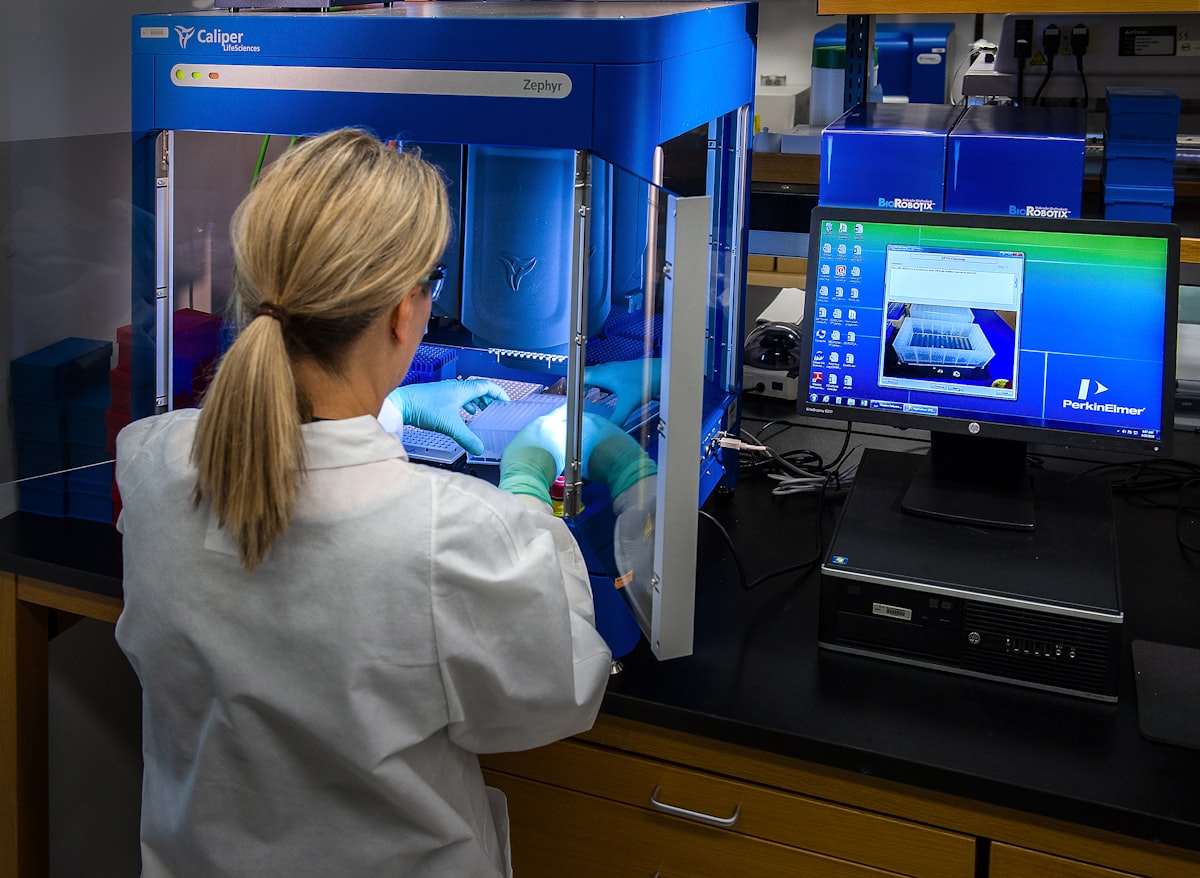
Pharma.AI takes center stage in Takeda's latest drug discovery bet
Pharma.AI is now the engine behind a fresh, high-stakes partnership between Takeda and Hong Kong-based Insilico Medicine. The Japanese pharmaceutical giant is moving to bring artificial intelligence into its early-stage research pipeline. While the specific diseases in their crosshairs remain secret, the goal is clear: speed up the process of finding and validating potential new drugs.
Inside the six hundred million dollar agreement
Takeda is putting significant capital on the table to secure access to these tools. But the deal structure relies heavily on performance milestones instead of just upfront cash, which means the company can't simply write a check and hope for the best. Here's the financial breakdown.
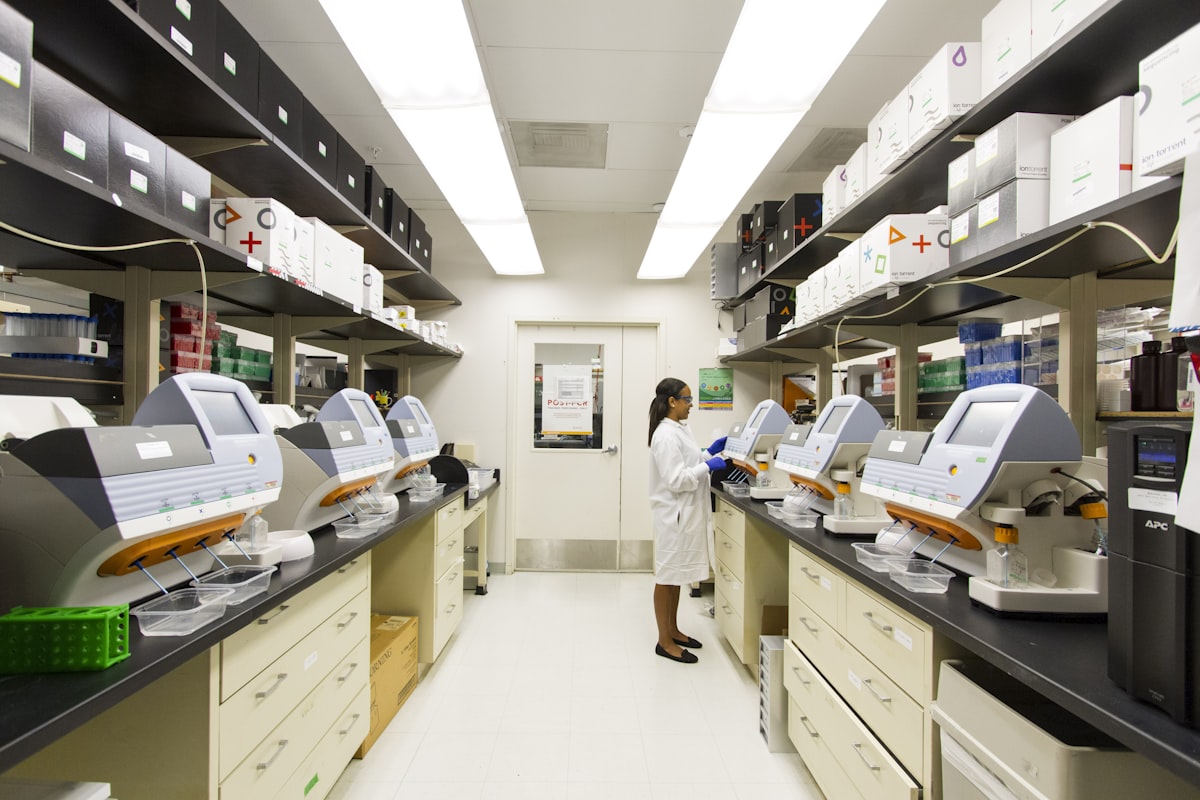
- Sixty million dollars is allocated for project initiation fees, near-term payments, and milestones.
- The total value of the collaboration could climb to six hundred million dollars.
Market Context: According to MarketsandMarkets™, the global artificial intelligence (AI) in drug discovery market is projected to grow from USD 1.86 billion in 2024 to USD 6.89 billion by 2029, registering a CAGR of 29.9%.
- Future payouts are tied to specific preclinical, clinical, commercial, and sales goals.
- Insilico also keeps the right to collect tiered royalties on any eventual sales.
This isn't a simple software license. Takeda gains exclusive worldwide rights to develop, manufacture, and commercialize whatever novel therapeutics emerge from this work, so they take the baton once it's time to move those candidates into clinical development while Insilico handles the AI-driven discovery.
What the platform actually does
If you are wondering how this tech translates to real-world medicine, look at the toolset. Pharma.AI is not one single program. It is a collection of specialized modules, each targeting a different stage of the drug development lifecycle:
Three core pillars of discovery
The platform relies on three distinct functional areas to move a molecule from concept to clinic:
- PandaOmics is used to identify biological targets, essentially mapping out the disease pathways.
- Chemistry42 handles the design of new small-molecule candidates from scratch.
- InClinico predicts the probability of a drug candidate successfully transitioning through clinical trials.
Real talk: the industry is racing to automate the trial-and-error side of biology. But they're using these tools to cut down the time and uncertainty involved in early research. It's a clear bet. Takeda is betting that relying on predictive modeling is more efficient than traditional laboratory methods alone, so we can't ignore that shift.
Why Takeda is doubling down
This isn't Takeda's first AI move. But earlier this year, they signed a multi-year deal with Iambic valued at over one point seven billion dollars, and that partnership focuses on AI-designed small-molecule drugs for gastrointestinal diseases and cancer.
Chris Arendt, Takeda's chief scientific officer and head of research, stated the agreement combines Takeda's disease biology work with the discovery capabilities enabled by this new AI integration. That's the core. He also noted Takeda is actively integrating automation and robotics alongside its generative AI efforts, building a more complex and efficient research framework through these complementary technologies.
The proceeds from the deal will support early-stage research and development under the collaboration program, and later-stage timelines will depend on Takeda's clinical development activities and the coordinated work of both companies, said Insilico founder and CEO Alex Zhavoronkov.
The broader trend of machine-led science
The numbers tell a clear story. They suggest a massive shift in how pharmaceutical firms view their tech budgets. In 2025 alone, Chinese drugmakers signed over one hundred and fifty out-licensing deals worth billions, and Insilico has been a frequent player in this, signing collaborations with a combined potential value of over seven billion dollars since the start of the year. But it's a staggering pace.
These deals don't guarantee a cure for every disease. They represent an attempt to change the odds. Instead of relying on manual discovery, firms are increasingly turning to machines to handle the initial heavy lifting, which could save time and reduce human error in early research stages. But if the predictive models in Pharma.AI are accurate, the pipeline could become significantly more productive.
Clinical results decide everything. But Takeda still has to steer these molecules through the rigors of human testing, even though the technology handles the discovery phase on its own, and we're watching a slow transition where AI becomes a standard tool in the lab, not an experimental novelty. Keep an eye on how these clinical development activities unfold over the coming years.
Frequently Asked Questions
What is the financial structure of the Takeda-Insilico Medicine deal?
The deal includes $60 million for project initiation fees, near-term payments, and milestones, with a total potential value of up to $600 million tied to preclinical, clinical, commercial, and sales goals. Insilico also retains rights to tiered royalties on any eventual sales.
How does Pharma.AI work in drug discovery?
Pharma.AI is a collection of specialized modules: PandaOmics identifies biological targets, Chemistry42 designs new small-molecule candidates, and InClinico predicts clinical trial success probability. These tools aim to cut down time and uncertainty in early research.
Why is Takeda investing in AI for drug discovery?
Takeda is betting that predictive modeling from AI is more efficient than traditional lab methods alone. Chris Arendt stated the deal combines Takeda's disease biology work with AI discovery capabilities to build a more efficient research framework.
What are the responsibilities of Takeda and Insilico in the partnership?
Takeda gains exclusive worldwide rights to develop, manufacture, and commercialize any novel therapeutics emerging from the work. Insilico handles the AI-driven discovery phase, while Takeda takes over for clinical development and later stages.
What broader trend in the pharmaceutical industry does this deal illustrate?
The deal highlights a shift toward machine-led science, where firms use AI to handle initial heavy lifting instead of manual discovery. In 2025, Chinese drugmakers signed over 150 out-licensing deals, and Insilico alone has deals worth over $7 billion since the year started.
Marcus Thorne covers the fast-moving field of artificial intelligence, with a particular interest in large language models, automation and the companies driving the technology forward. He aims to cut through the hype and explain what these systems can and cannot do.
💬 Comments (0)
No comments yet. Be the first!